
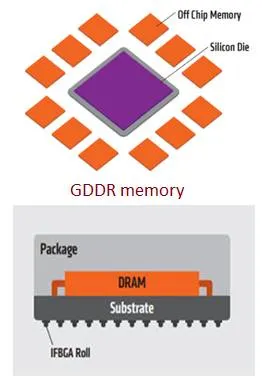
What is GDDR Memory : Advantages and Disadvantages & Types
Explore the pros and cons of GDDR memory, including higher bandwidth, lower power, higher cost, and heat dissipation, compared to DDR memory.
Advertisement
Explore articles, explainers, and practical references focused on Rf Components within Terminology.
Articles
422
Showing
351-375
Pages
15/17
More in Terminology
Jump across related topic clusters without losing your place.
Advertisement
Article Index
Showing 351-375 of 422 articles in this archive.
Explore the pros and cons of GDDR memory, including higher bandwidth, lower power, higher cost, and heat dissipation, compared to DDR memory.
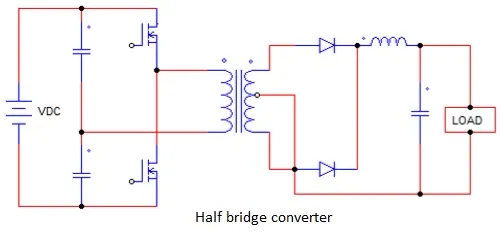
Explore the half-bridge DC-DC converter, including its circuit, operation, advantages like small magnetic cores, and disadvantages like high collector current.
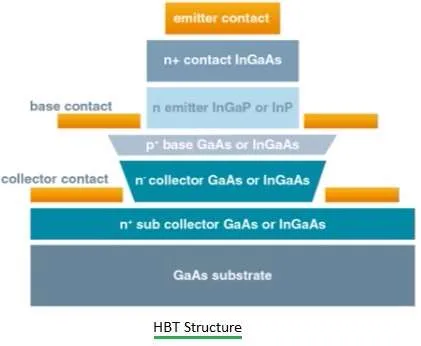
Explore advantages and disadvantages of Heterojunction Bipolar Transistors (HBTs). Learn about their high-speed capabilities, efficiency, and limitations in various applications.
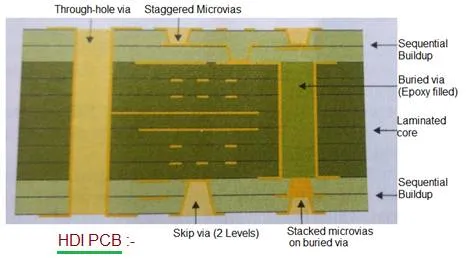
Explore advantages and disadvantages of High Density Interconnect (HDI) PCBs, including increased density, reduced power consumption, and manufacturing challenges.
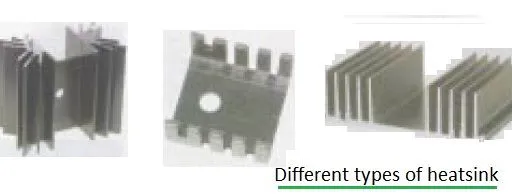
Explore heatsink fundamentals: heat transfer modes (conduction, convection, radiation), key parameters (Q, Tj max, Ta, thermal resistance), and design considerations.
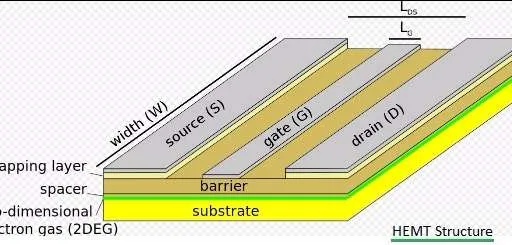
Explore advantages and disadvantages of HEMTs (High Electron Mobility Transistors), including high gain, low noise, and high switching speed, along with their limitations.
Explore advantages and disadvantages of Hybrid Microwave Integrated Circuits (HMICs), focusing on component performance, loss, power handling, and design flexibility.
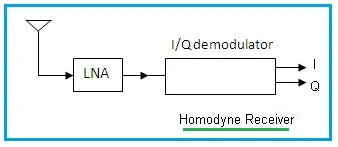
Explore advantages and disadvantages of homodyne receivers, including their simple architecture and potential for LO leakage.
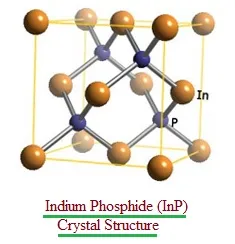
Explore the pros and cons of Indium Phosphide (InP) as a semiconductor material, including its benefits and limitations.
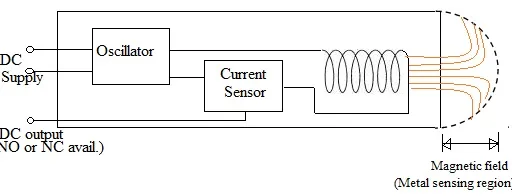
Explore inductive sensors: working principles, advantages like durability and ease of installation, and disadvantages like limited range and target material.
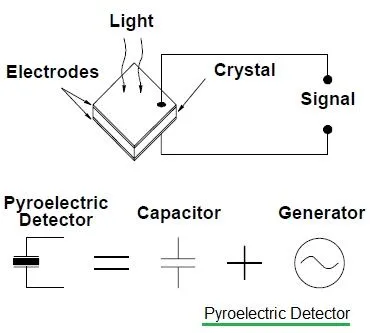
Explore the function, operation, and applications of infrared pyroelectric detectors, including their use in security systems, lighting control, and household appliances.
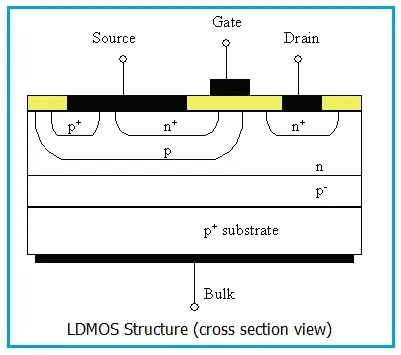
Explore the benefits and drawbacks of LDMOS (Laterally Diffused Metal Oxide Semiconductor) transistors, including their structure, advantages like high-frequency operation, and disadvantages like current drift.
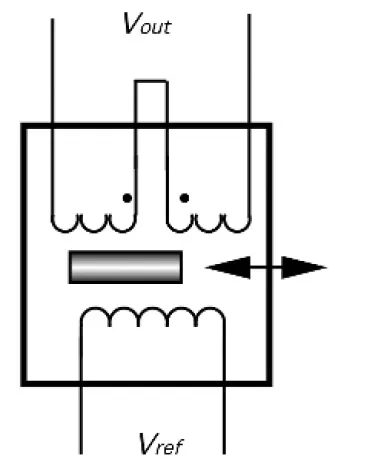
Explore 5-10 advantages and disadvantages of LVDT transducer including benefits like high resolution and drawbacks such as temperature sensitivity.
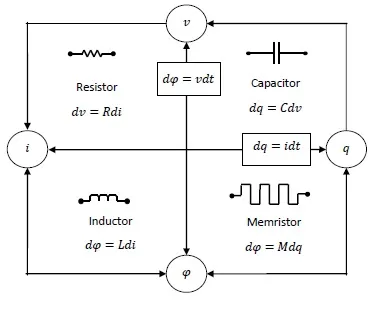
Explore the pros and cons of memristors, including their unique properties, potential applications, and limitations compared to other circuit elements.
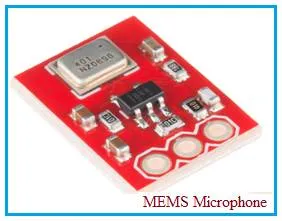
Explore the benefits and drawbacks of MEMS (Micro-Electro-Mechanical Systems) microphones, their working principles, and comparison with condenser microphones.
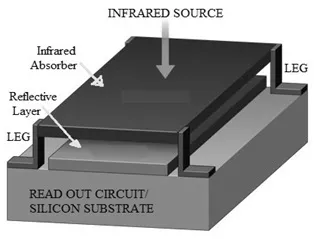
Explore the pros and cons of microbolometers, uncooled thermal sensors used in thermal cameras. Learn about their benefits and drawbacks.
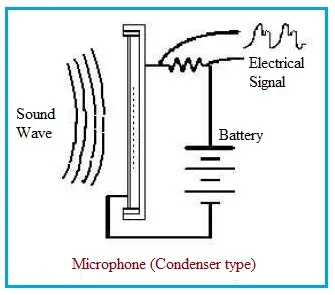
Explore the pros and cons of microphones, their types, and how they work. Learn about their benefits and drawbacks in various applications.
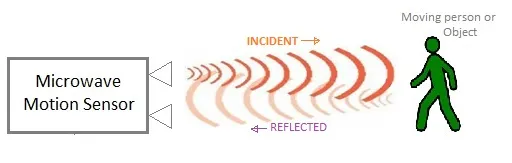
Explore the pros and cons of microwave sensors, including energy savings, sensitivity, false alarms, and health hazards.
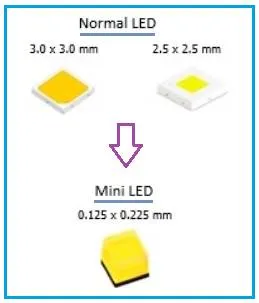
Explore the benefits and drawbacks of Mini LED technology, including its definition, advantages like easier mass production and improved HDR, and disadvantages like high LED count.
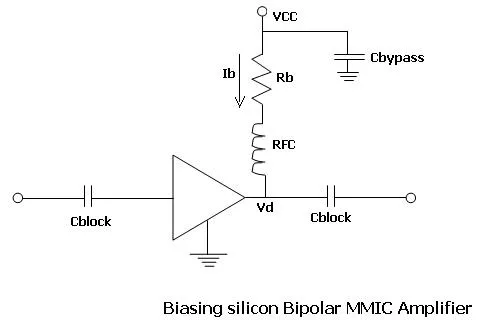
Explore the benefits and drawbacks of Monolithic Microwave Integrated Circuits (MMICs), including cost, performance, and fabrication considerations.
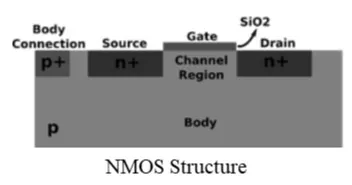
Learn what is NMOS and PMOS transistors and explore difference between NMOS and PMOS MOSFET types including their symbols,structures and charateristics using diagram.
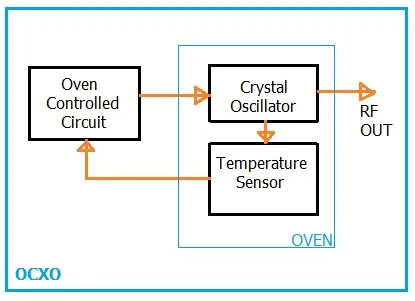
Explore the benefits and drawbacks of OCXO SC cut crystal oscillators compared to other types, focusing on stability, cost, and performance.
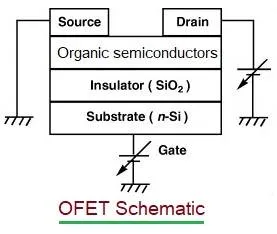
Explore the pros and cons of OFETs (Organic Field Effect Transistors), covering their benefits like affordability and flexibility, as well as drawbacks like thermal stability.
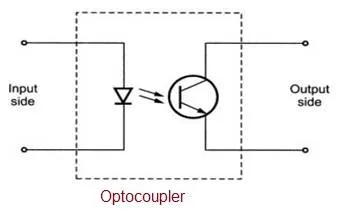
Explore the pros and cons of using optocouplers, including their benefits like low-frequency response and cost-effectiveness, alongside drawbacks like external biasing and high-frequency limitations.
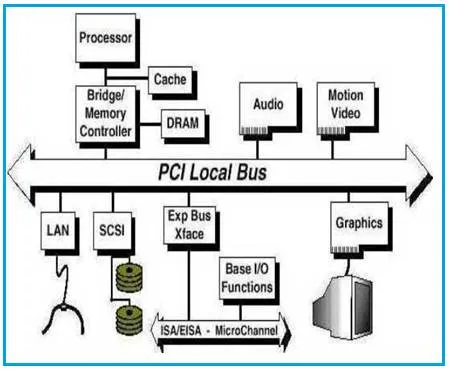
Explore 5 key advantages and disadvantages of the PCI bus, covering its architecture,capabilities and drawbacks compared to newer technologies.
Advertisement