
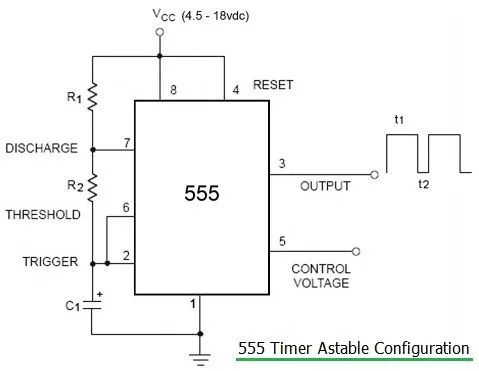
555 Astable Multivibrator Calculator: Frequency & Duty Cycle
Calculate frequency and duty cycle for 555 astable multivibrators using different methods. Also explores astable multivibrators using NOT gates.
Advertisement
The Electronic Component Calculators page simplifies everyday electronics design by providing fast calculations for resistors, capacitors, inductors, LEDs, and other components. Whether you are sizing components, decoding values, or verifying circuit parameters, these calculators save time and reduce errors in analog and digital circuit development.
Articles
42
Showing
1-25
Pages
1/2
More in Calculators
Jump across related topic clusters without losing your place.
Advertisement
Article Index
Showing 1-25 of 42 articles in this archive.
Calculate frequency and duty cycle for 555 astable multivibrators using different methods. Also explores astable multivibrators using NOT gates.
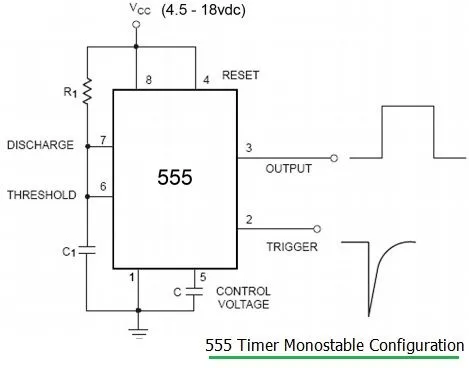
Calculate pulse width in monostable mode and frequency/period in astable mode using the 555 timer IC. Explore the formulas and applications.
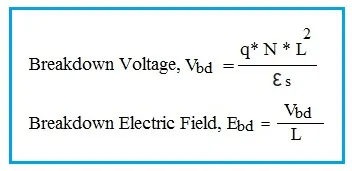
Calculate the breakdown voltage of a BARITT diode using our calculator and understand the formula behind it. Learn how to determine the electric field as well.
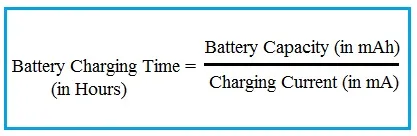
Calculate battery charging time using a simple formula based on battery capacity and charging current. Estimate the hours needed to fully charge your battery.
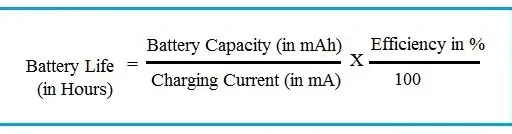
Estimate battery life based on capacity and power consumption. Calculate hours a battery can power a device using capacity, consumption, and efficiency.
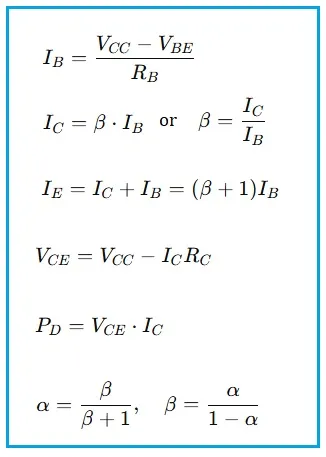
Use our BJT calculator with key formulas to compute base, collector & emitter currents, gain, Vce and power. Ideal for GATE students and circuit designers.
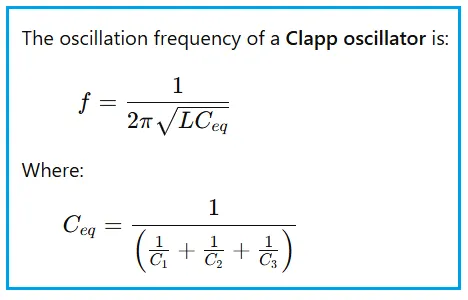
Explore Clapp Oscillator Calculator and understand its formula with example calculation.
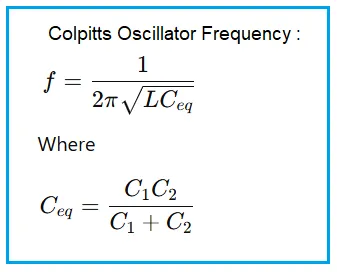
Explore Colpitts Oscillator Calculator and understand its formula with example calculation.
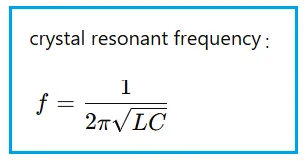
Online crystal oscillator calculator to estimate oscillation frequency using crystal parameters. Includes formula, working, and examples.
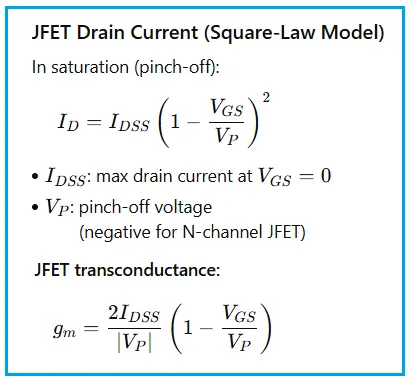
FET calculator with key formulas to compute drain current, transconductance and regions of operation for JFET/MOSFET circuits. Useful for GATE exam.
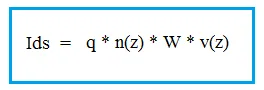
Calculate HEMT drain current using the formula. Includes explanation of the formula's components and an example calculation.
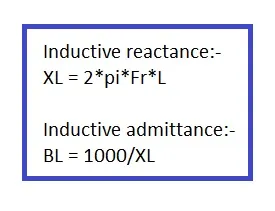
Calculate inductive and capacitive reactance (XL, XC) based on frequency, inductance, and capacitance values. Includes formulas and examples.
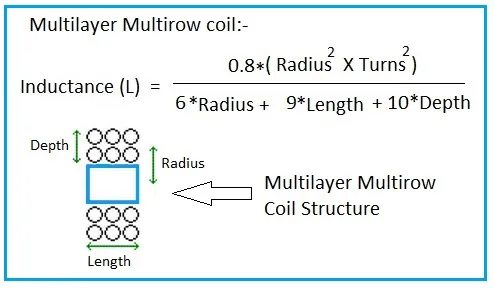
Calculate inductance for single-layer and multilayer coils using online calculators. Explore the formulas and equations behind inductance calculations for different coil types.
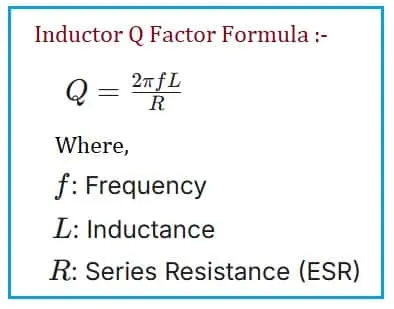
Calculate the Quality (Q) Factor of an inductor at any frequency. Analyze inductance and series resistance for efficient RF circuit design.
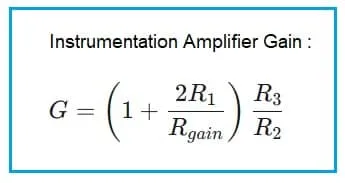
Calculate gain of an instrumentation amplifier using resistor values for precision signal conditioning.
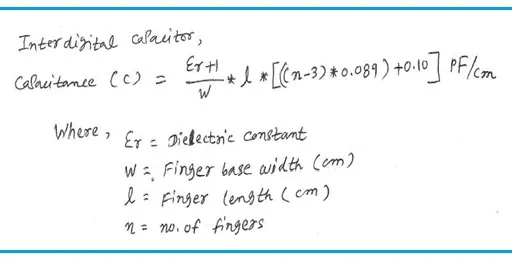
Calculate the capacitance of an interdigital capacitor based on its physical dimensions and dielectric constant.
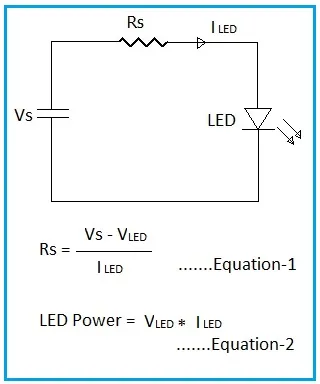
Calculate the appropriate series resistor for your LED circuit based on source voltage, LED voltage drop, and desired LED current. Determine the power dissipation as well.
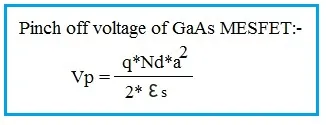
Calculate the pinch-off voltage for a MESFET using the provided formula and calculator, with an example calculation for clarity.
Calculate the pulse duration (pulse width) of a monostable multivibrator circuit using the 555 timer IC configuration based on resistance and capacitance values.
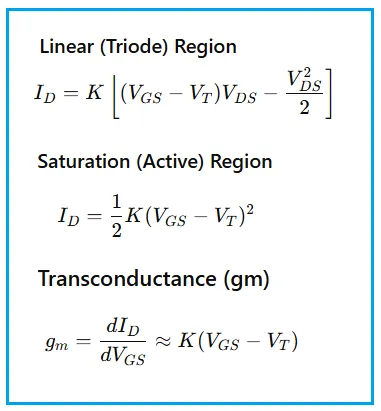
Use the MOSFET calculator with key formulas to compute drain current, transconductance, Vgs, Vth and regions of operation for N/P channel MOSFET analysis. Useful for GATE exam.
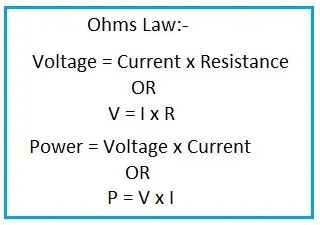
Calculate voltage, current, resistance, or power using Ohm's Law. This tool provides multiple calculations based on different input parameters.
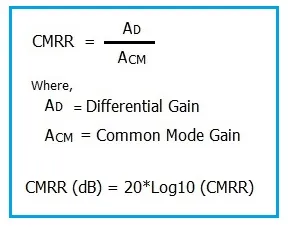
Calculate the Common Mode Rejection Ratio (CMRR) of an Op Amp using either numerical or dB values for differential and common-mode gain.
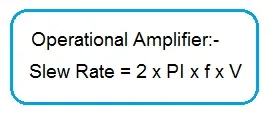
Calculate the slew rate of an op amp using this handy calculator and learn about the formula behind it.
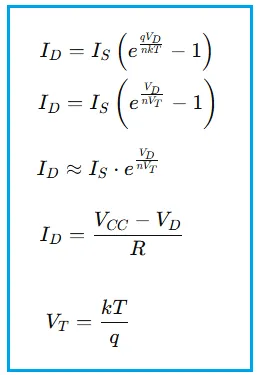
P-N junction diode calculator using Shockley equation to compute current vs voltage. Includes diode formula, ideality factor and thermal voltage analysis. Useful for GATE exam.
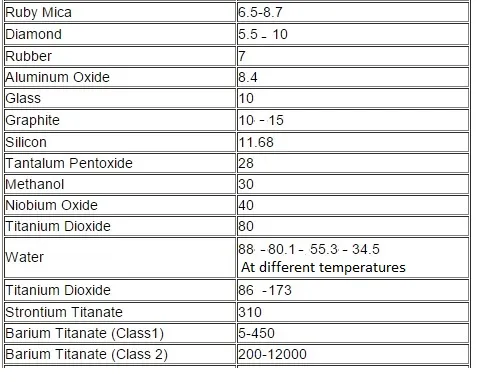
Calculate the capacitance of a parallel plate capacitor using this online tool and learn about the formula behind it.
Advertisement