
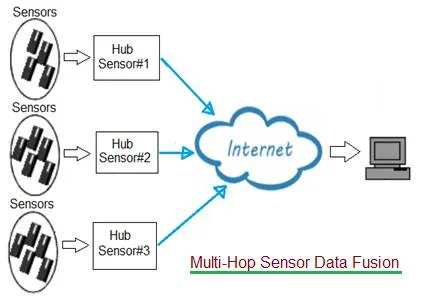
What is Data Fusion: 5 Advantages and Disadvantages
Explore 5 key advantages and disadvantages of data fusion, a process that integrates multiple data sources for enhanced accuracy and decision making.
Advertisement
Explore articles, explainers, and practical references focused on Iot within Terminology.
Articles
175
Showing
126-150
Pages
6/7
More in Terminology
Jump across related topic clusters without losing your place.
Advertisement
Article Index
Showing 126-150 of 175 articles in this archive.
Explore 5 key advantages and disadvantages of data fusion, a process that integrates multiple data sources for enhanced accuracy and decision making.
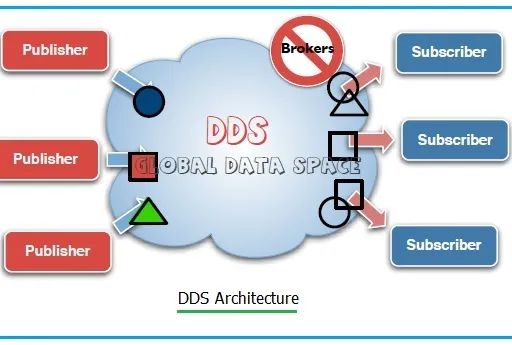
Explore advantages and disadvantages of the DDS (Data Distribution Service) protocol for IoT, covering architecture, QoS, scalability, and limitations.
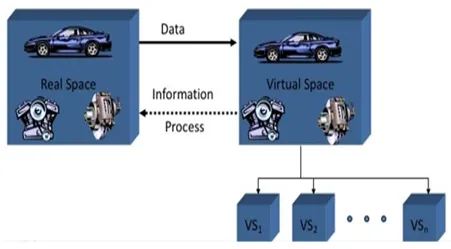
Explore 5 key advantages and disadvantages of Digital Twin Technology, including real time monitoring, security risks and data management complexity.
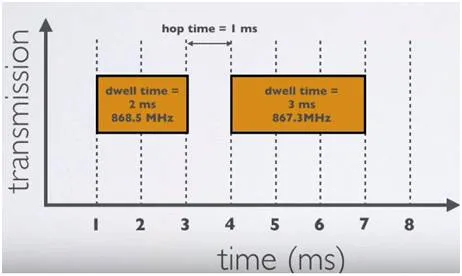
Explanation of dwell time and hop time in LoRaWAN and LoRa. Understand the concepts related to chirp spread spectrum (CSS) modulation.
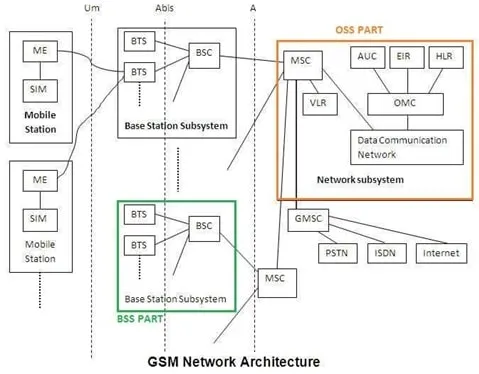
Explore EC-GSM IoT, a Low Power Wide Area (LPWA) technology for IoT, including its features, applications, benefits, and compatibility with GSM networks.
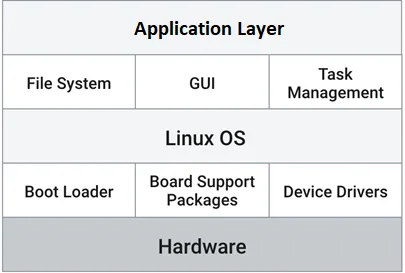
Explore 5 key advantages and disadvantages of using Embedded Linux in IoT applications, including its open-source nature, scalability, and hardware support, along with its resource intensity and security vulnerabilities.
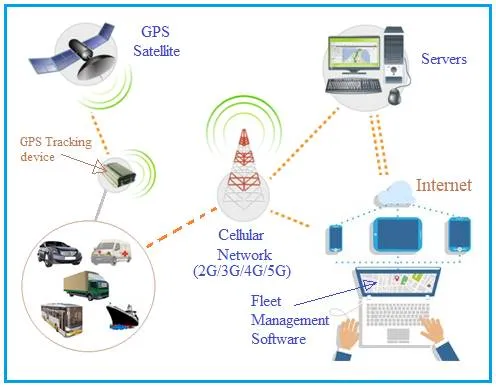
Explore advantages and disadvantages of fleet management systems, including real-time tracking, cost reduction, and challenges in implementation and maintenance.
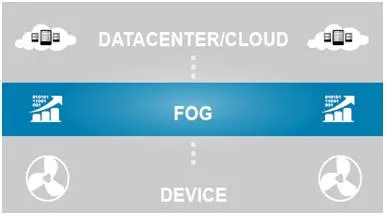
Explore the benefits and drawbacks of fog computing, including enhanced security, reduced latency, and cost savings, alongside challenges like data consistency and security concerns.
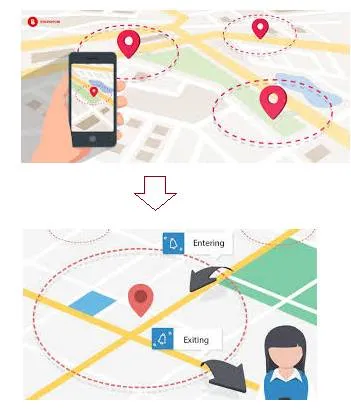
Learn about geofencing, including its definition, active and passive types, applications, and how it works using technologies like GPS and WiFi.
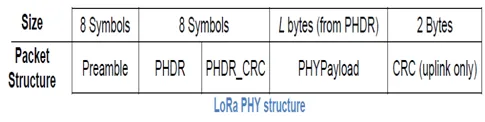
Learn the difference between implicit and explicit headers in LoRaWAN packets, including structure, information contained, and usage.
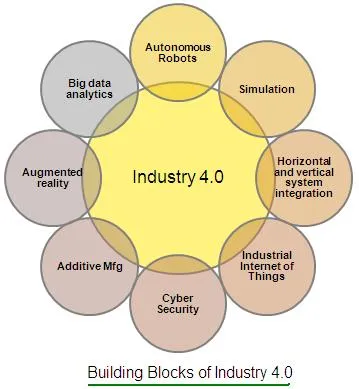
Explore the benefits and challenges of Industry 4.0, including backend integration, security concerns, skills gaps, and potential job displacement.
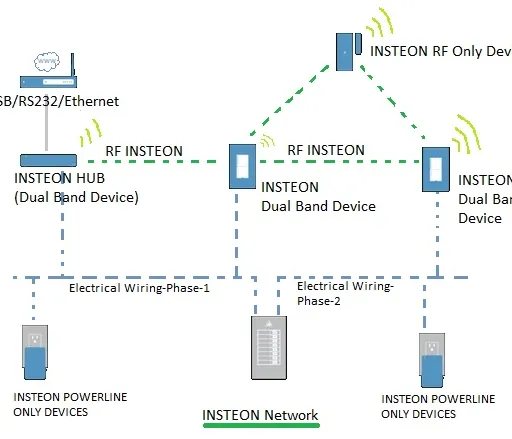
Explore the benefits and drawbacks of Insteon for home automation, comparing it to WiFi, Bluetooth, Zigbee, and Z-Wave.

Explore the benefits and drawbacks of the Internet of Medical Things (IoMT), including affordable treatment, security risks, and interoperability issues.
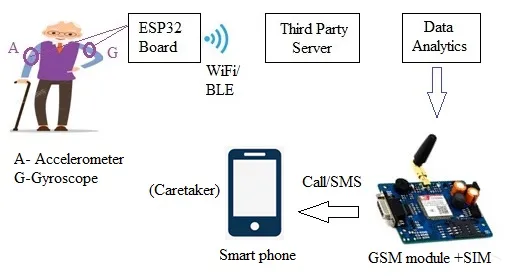
Explore the benefits and drawbacks of the Internet of Things (IoT), including its applications in smart homes, healthcare, agriculture, and more. Understand the technology's impact on various industries.
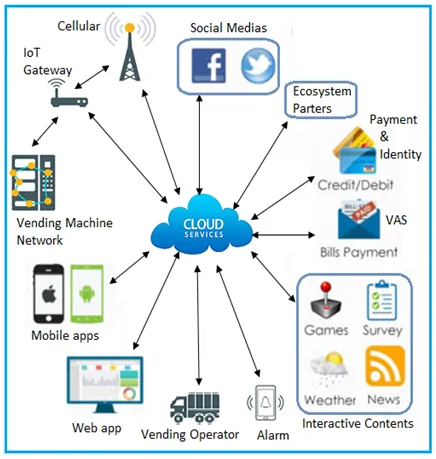
Explore the benefits and drawbacks of IoT-based smart vending machines, including real-time reporting, 24/7 service, security vulnerabilities, and costs.
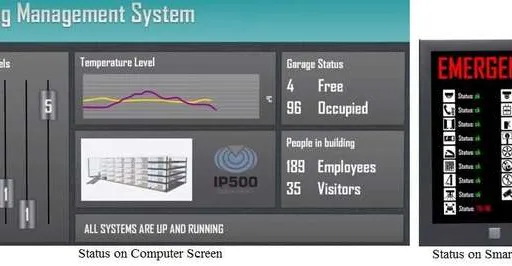
Learn the basics of IP500, a wireless IPv6-based mesh sensor network used for monitoring, sensing, and building automation. Discover its key features and applications.
Lightwave RF is a home automation technology using the 433.92 MHz band. It enables control of lighting, heating, security, and more via controllers and slaves, often integrated with WiFi for smartphone access.
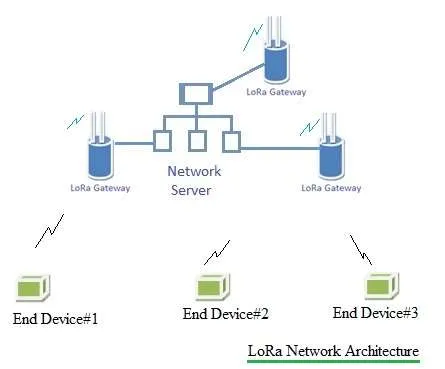
Explore the pros and cons of LoRaWAN technology, covering its strengths in range, power consumption, and scalability, as well as its limitations in data rate and real-time use.
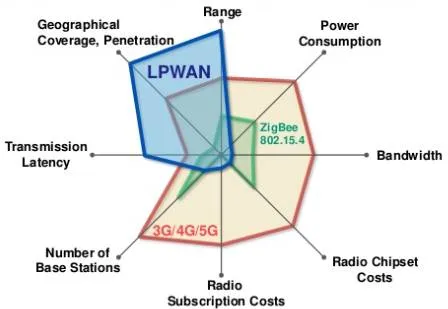
Explore the pros and cons of Low Power Wide Area Networks (LPWANs) for IoT, including range, power, cost, and limitations.
Understand key benefits and limitations of LTE-MTC (LTE-M) technology for IoT, enabling low power, wide coverage and reliable connectivity.
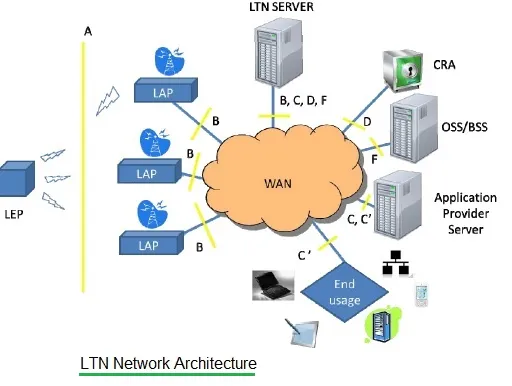
Explore the pros and cons of Low Throughput Network (LTN) technology, ideal for M2M and IoT applications requiring long-range, low-power communication.
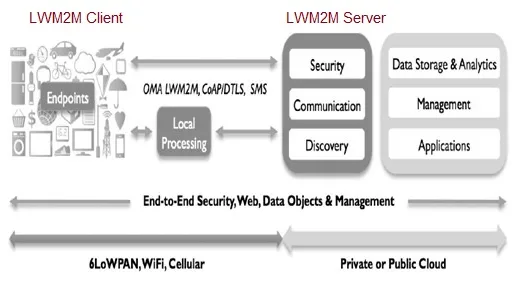
Explore the benefits and drawbacks of LWM2M (Lightweight Machine to Machine Communication). Understand its advantages and disadvantages for constrained IoT devices.
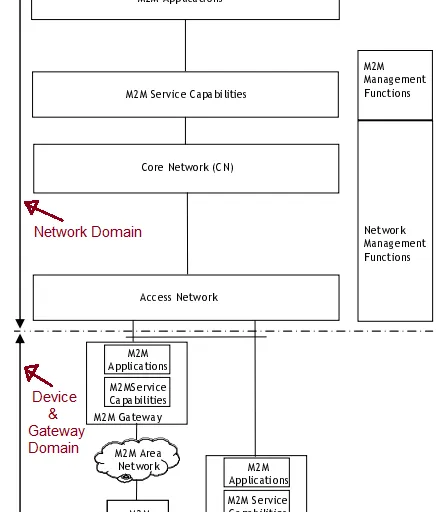
Explore the benefits and drawbacks of Machine-to-Machine (M2M) communication, including its architecture, advantages, and disadvantages in various network topologies.
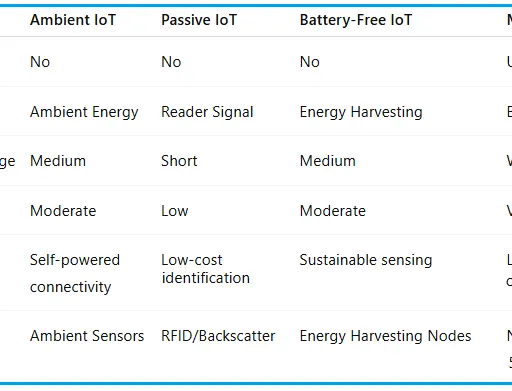
Discover What Massive IoT is and learn its architecture, key features, benefits and applications enabling billions of connected low power devices in smart ecosystems.
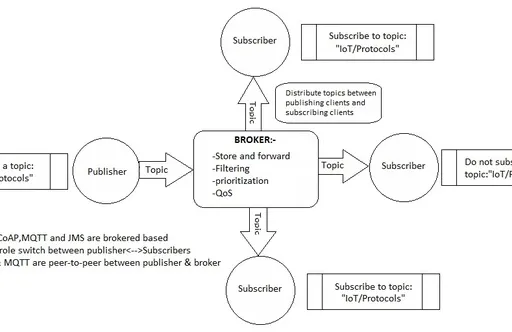
Explore the benefits and drawbacks of the MQTT protocol, a lightweight messaging protocol for IoT. Learn about its scalability, efficiency, and limitations.
Advertisement