
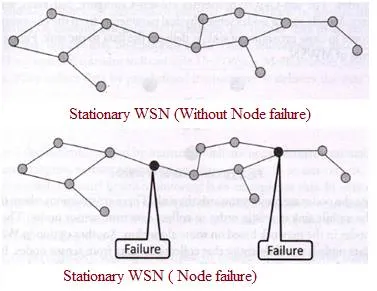
Stationary vs. Mobile WSN: Key Differences Explained
Explore the distinctions between stationary and mobile Wireless Sensor Networks (WSNs), covering advantages, disadvantages, and applications of each type.
Advertisement
Explore articles, explainers, and practical references focused on Iot within Terminology.
Articles
175
Showing
101-125
Pages
5/7
More in Terminology
Jump across related topic clusters without losing your place.
Advertisement
Article Index
Showing 101-125 of 175 articles in this archive.
Explore the distinctions between stationary and mobile Wireless Sensor Networks (WSNs), covering advantages, disadvantages, and applications of each type.
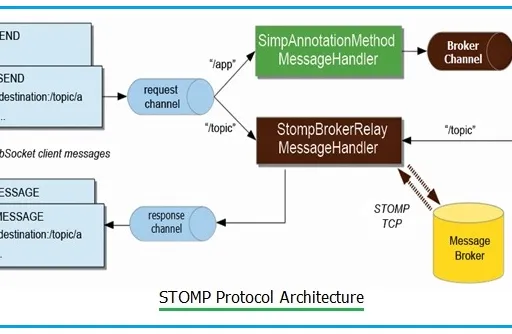
Explore the STOMP protocol architecture, its use with message-oriented middleware in IoT, and how it enables interoperable messaging across platforms.
A detailed comparison of Semtech's SX1272 and SX1276 LoRa RF transceivers, covering specifications like frequency bands, sensitivity, and link budget.
A comparison of Symphony Link and LoRaWAN LPWAN technologies, highlighting their key differences in specifications, features, and performance.
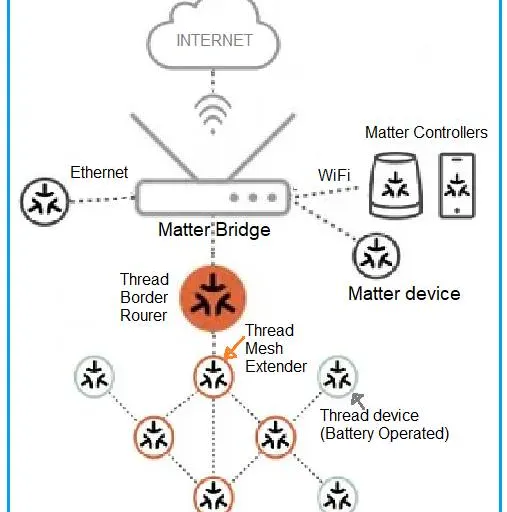
Explore the key functions and differences between Thread border routers and mesh extenders. Understand their roles in extending network range and providing internet connectivity for IoT devices.
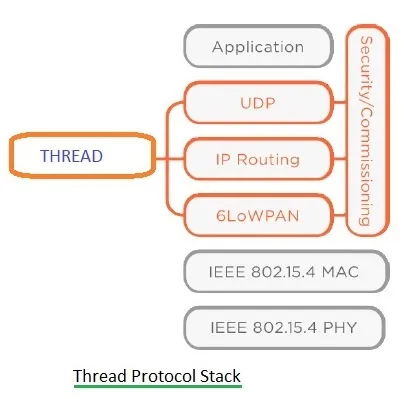
Explore Thread technology, a secure, low-power, and scalable wireless protocol designed for IoT devices, especially in smart homes. Learn about its IP-based architecture.
A comparison of Thread and WiFi, highlighting their features, advantages, and limitations to help you select the best protocol for your smart home or IoT devices.
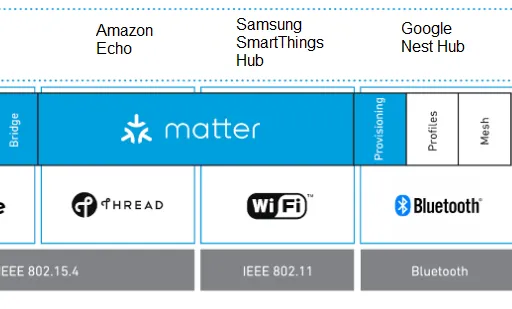
Explore the key differences between Thread and Matter protocols, their roles in IoT, and how they work together to enhance smart home connectivity and interoperability.
Discover the key benefits and advantages of Virtual Reality (VR) across sectors like education, healthcare, training, real estate, and entertainment. Learn how VR enhances user experience and productivity.
Discover UNB technology advantages and disadvantages for LPWAN IoT applications offering long range and low power communication.
Explore the benefits of Ultra Narrowband (UNB) modulation in Sigfox for IoT. Learn how it maximizes range, minimizes power consumption, and enhances network scalability.
Explore UPB technology for home automation in IoT. Learn about its reliability, cost-effectiveness, addressing, and compatibility compared to X10.
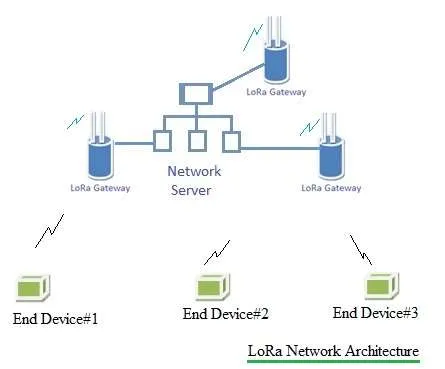
Explore whether voice calls are possible using LoRaWAN technology. Discover its limitations and why it's designed for low-data-rate applications, not real-time voice communication.
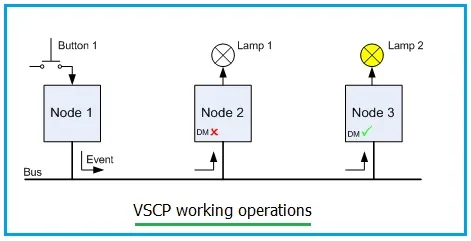
Explore the Very Simple Control Protocol (VSCP) framework, its role in IoT, event-driven architecture, node identification, and operation principles.
Explore Wavenis wireless technology: its ultra-low power consumption, long-range capabilities, and applications in M2M, IoT, and smart grids.
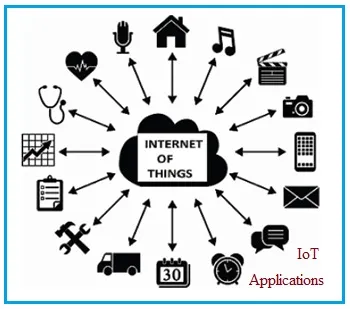
Explore the benefits and drawbacks of IoT applications, covering real-time access, automation, and security, as well as privacy concerns and system vulnerabilities.
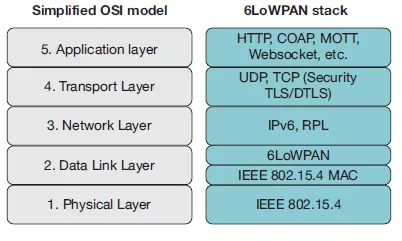
Explore advantages and disadvantages of 6LoWPAN networks, including their use of IPv6, mesh topology, power consumption, and security aspects for IoT applications.
Discover key advantages and disadvantages of 802.11p WAVE technology used in vehicular communication for reliable and efficient V2X connectivity.
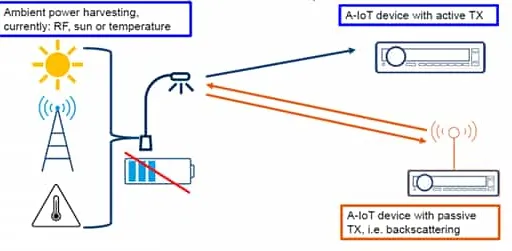
Learn what Ambient IoT is and explore A-IoT features, benefits and limitations for pervasive connectivity.
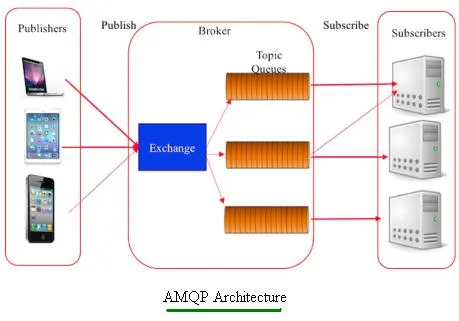
Explore the advantages and disadvantages of the AMQP protocol, commonly used in IoT applications. Learn about its architecture, benefits, and drawbacks.
Learn what Battery Free IoT is, how it works, its key benefits, technologies, and real world applications for sustainable, maintenance free connected devices.
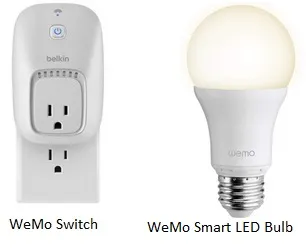
Learn about Belkin WeMo, a home automation network using Wi-Fi for communication between devices. Discover its features and how it works as a star network.
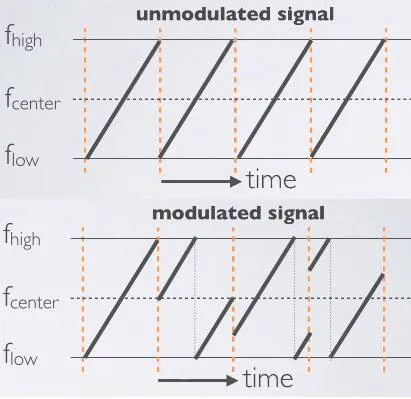
Explains the distinction between 'chip' and 'chirp' in LoRaWAN, clarifying their roles within Chirp Spread Spectrum (CSS) modulation for long-range, low-power communication.
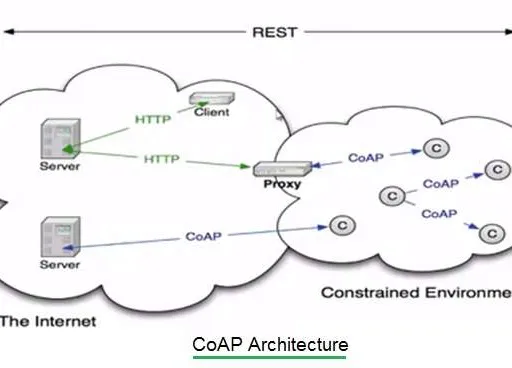
Explore advantages and disadvantages of CoAP (Constrained Application Protocol) for IoT and M2M communication, including its benefits in power efficiency and drawbacks related to UDP reliance.
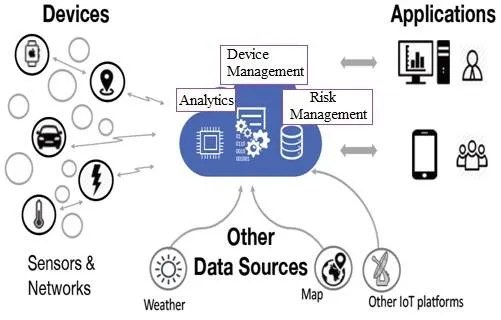
Explore 5 advantages and disadvantages of cognitive manufacturing, including increased efficiency and potential security vulnerabilities.
Advertisement