
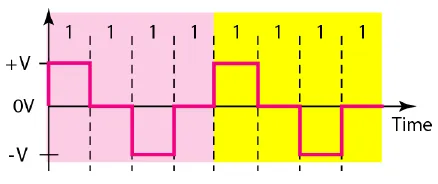
What is MLT-3 Encoding : Advantages and Disadvantages
Explore the benefits and drawbacks of MLT-3 (Multiline Transmission) encoding, including signal rate, bandwidth efficiency, synchronization issues, and complexity.
Advertisement
Explore articles, explainers, and practical references focused on Data Communication within Terminology.
Articles
96
Showing
76-96
Pages
4/4
More in Terminology
Jump across related topic clusters without losing your place.
Advertisement
Article Index
Showing 76-96 of 96 articles in this archive.
Explore the benefits and drawbacks of MLT-3 (Multiline Transmission) encoding, including signal rate, bandwidth efficiency, synchronization issues, and complexity.
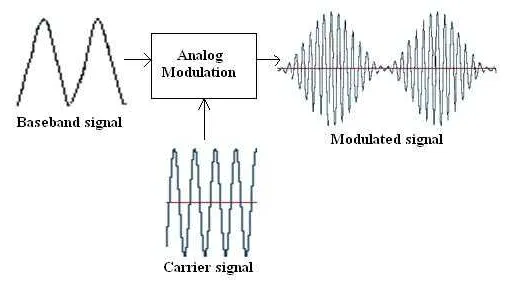
Explore modulation basics, functions, types (analog & digital), and diverse applications in communication systems for efficient signal transmission.
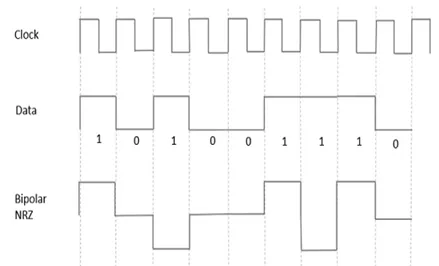
Explore the advantages and disadvantages of Non-Return-to-Zero (NRZ) pulse shapes in line coding, highlighting the benefits and drawbacks of NRZ encoding.
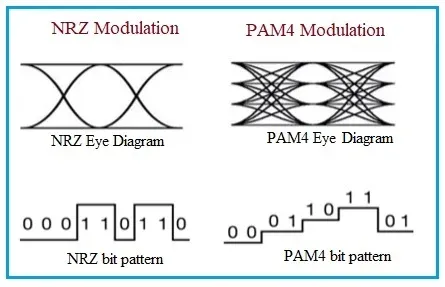
Learn PAM4 modulation, a technique for transmitting data with four signal levels. Explore its 5 advantages and disadvantages in modern communication systems.
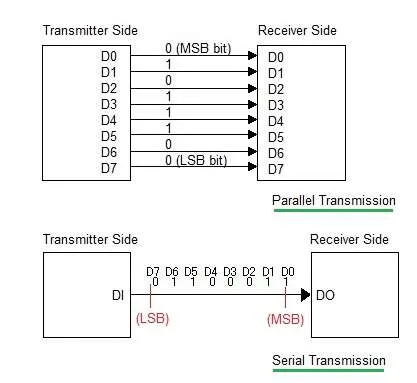
Explore advantages and disadvantages of parallel interfaces, including speed benefits and limitations like short-distance communication and increased complexity.
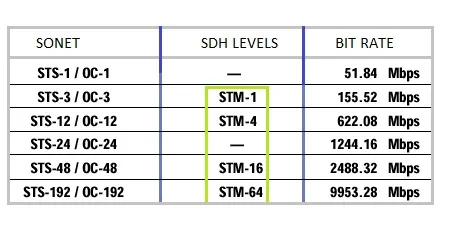
Learn PDH and SDH and explore difference between them including data rates, advantages and disadvantages of these digital transmission technologies.
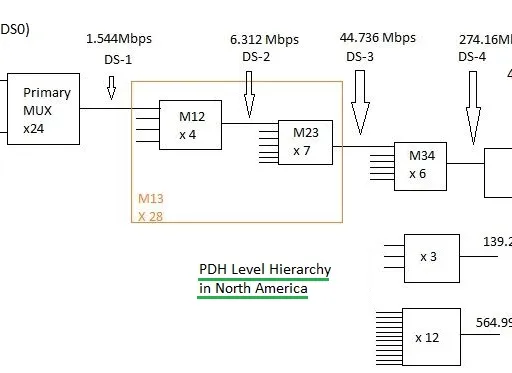
Explore the advantages and disadvantages of PDH, its principles, benefits, and drawbacks. Learn about the technology associated with digital exchanges.
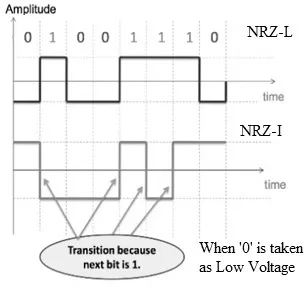
Explore polar line coding techniques, including NRZ and RZ, with their benefits and drawbacks, such as DC voltage reduction and synchronization issues.
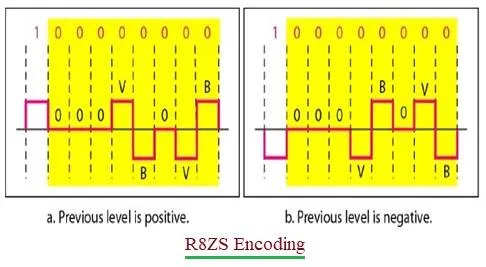
Explore 5 advantages and disadvantages of R8ZS scrambling, including improved synchronization and error detection, alongside limitations like sensitivity to single-bit errors.
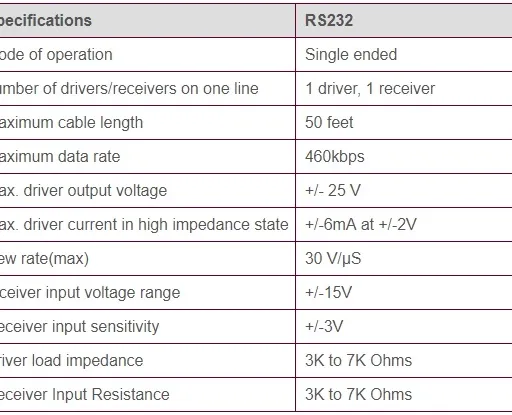
Explore 5 key advantages and disadvantages of RS232 communication, including its benefits such as legacy support and drawbacks like speed limitations.
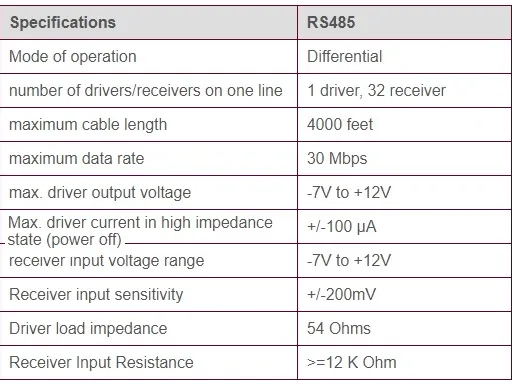
Explore 5 key advantages and disadvantages of RS485 serial communication, including distance, speed, noise immunity, and limitations like wiring complexity and data transfer.
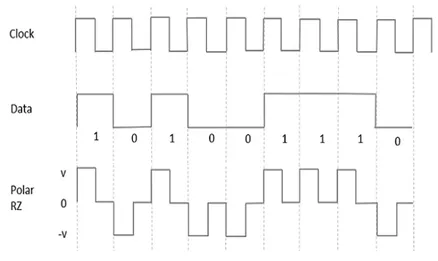
Explore 5 key advantages and disadvantages of Return-to-Zero (RZ) line coding, including its applications, pros, and cons in data transmission.
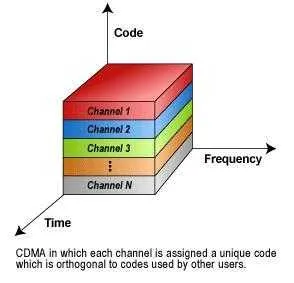
Explore the benefits and drawbacks of Synchronous Code Division Multiple Access (SCDMA) within the DOCSIS standard, including burst noise immunity and interoperability issues.
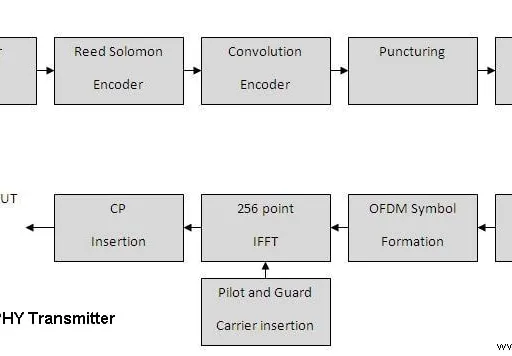
Explore the benefits and drawbacks of using scrambling techniques in digital data communication. Understand how it improves synchronization and the issues like error multiplication.
Explore 5-10 advantages and disadvantages of Synchronous Digital Hierarchy (SDH) in telecommunications. Learn about its benefits and drawbacks, plus its basics.
Explore the pros and cons of serial interfaces, including reduced cost, long-distance communication, slower speed, and overhead.
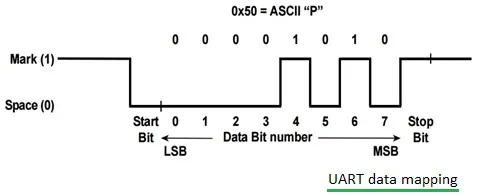
Explain UART and USART and explore difference between UART and USART, including data rates, baud rate requirements and synchronous vs. asynchronous modes.
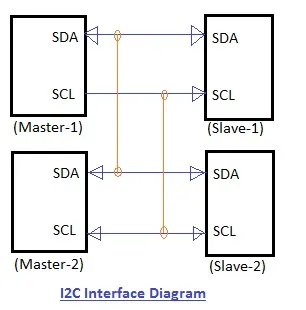
Explain UART, SPI and I2C and explore difference between UART, SPI and I2C with respect to data rates, communication methods, hardware complexity and applications.
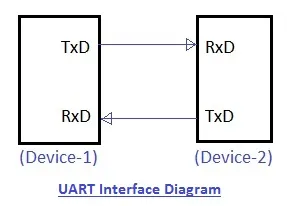
Explore the benefits and drawbacks of UART (Universal Asynchronous Receiver/Transmitter) communication, its features, and applications.
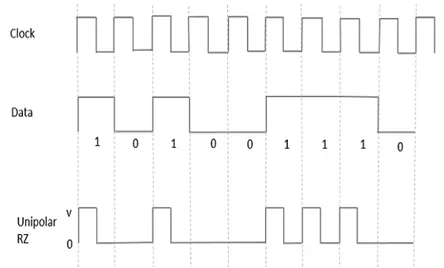
Explore unipolar line coding, a basic digital encoding technique, including its principles, NRZ and RZ variations, benefits, and limitations like DC component and synchronization issues.

Explore the pros and cons of written communication. Learn about different types and how to use it effectively for clarity and documentation.
Advertisement