
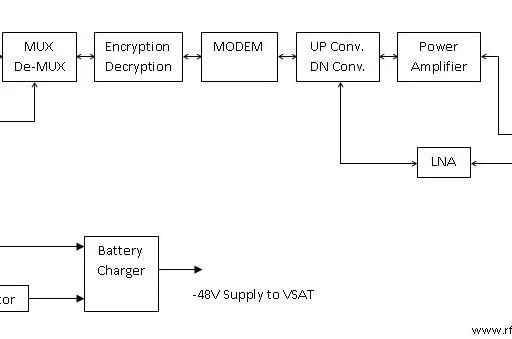
VSAT Block Diagram: Operation and Subsystem Functions
Explore the VSAT system block diagram, detailing each subsystem's role in enabling satellite communication for data, voice, and video transmission, especially in remote areas.
Advertisement
Explore articles, explainers, and practical references focused on Satellite Communication within Terminology.
Articles
104
Showing
76-100
Pages
4/5
More in Terminology
Jump across related topic clusters without losing your place.
Advertisement
Article Index
Showing 76-100 of 104 articles in this archive.
Explore the VSAT system block diagram, detailing each subsystem's role in enabling satellite communication for data, voice, and video transmission, especially in remote areas.
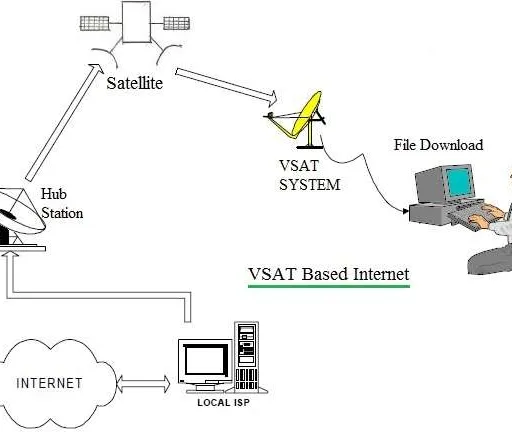
Understand the components and operation of a VSAT internet system, including its advantages and disadvantages for broadband connectivity in remote areas.
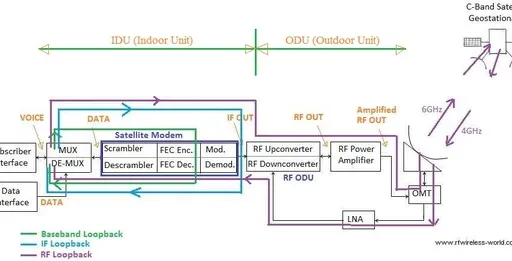
Explore VSAT modem functionality, testing procedures, and prominent manufacturers. Learn how these modems facilitate satellite communication and ensure reliable data transfer.
Explore the differences between Star and Mesh VSAT network topologies. Understand their advantages, disadvantages, and ideal use cases for satellite communication.
Explore 5 key advantages and disadvantages of CubeSats including benefits like cost and challenges such as power constraints and thermal management.
Explore nanosatellites, their characteristics, applications, advantages, and disadvantages in modern space exploration and research.
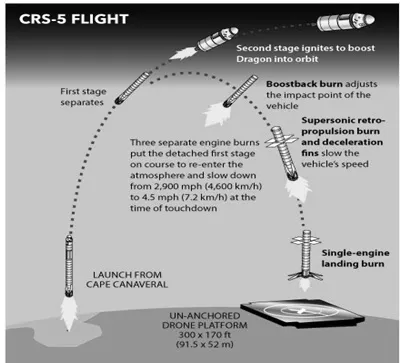
Explore the benefits and drawbacks of reusable rockets, including cost reduction, environmental impact, and accessibility to space travel.
Explore 5 key advantages and disadvantages of SmallSats i.e. Small Satellites.
Learn advantages and disadvantages of CCSDS protocols, covering interoperability, robustness, modularity, complexity and resource requirements in satellite systems.
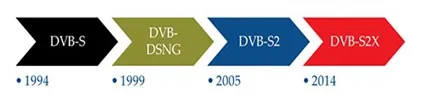
Explore advantages and disadvantages of DVB-S2, a digital television broadcast standard succeeding DVB-S, including its features, applications, and limitations.
Explore advantages and disadvantages of DVB-S2X, a modern satellite communication standard, including its features, benefits, and drawbacks.
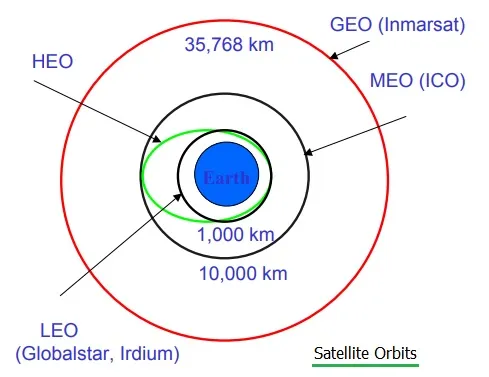
Explore the pros and cons of Geostationary Earth Orbit (GEO) for satellite communication. Discover its coverage, signal delay, and suitability for various applications.
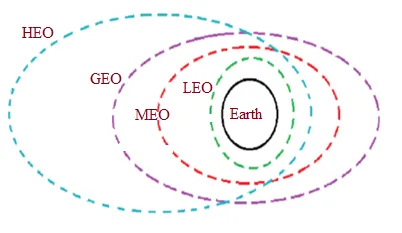
Explore advantages and disadvantages of using Highly Elliptical Orbits (HEO) for satellites, including characteristics, applications, and comparisons to other orbits.
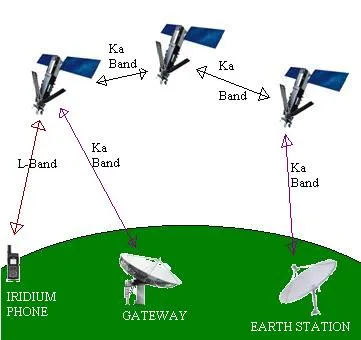
Explore Iridium Next, the upgraded satellite constellation, its features like enhanced data speeds, IoT applications, and improvements over the original Iridium system.
Explore the pros and cons of Low Earth Orbit (LEO) for satellite applications, including signal strength, latency, coverage, and atmospheric effects.
Explore the characteristics, advantages, and disadvantages of Medium Earth Orbit (MEO) satellites, including orbit period, height, lifespan, and coverage requirements.
NTN (Non-Terrestrial Network) satellites integrate seamlessly with terrestrial mobile networks, facilitating global connectivity, especially in underserved areas, as specified in 3GPP Release 17.
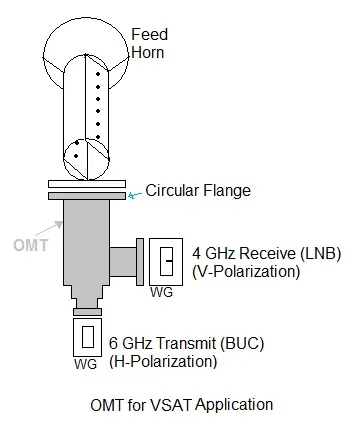
Explore the advantages and disadvantages of orthomode transducers (OMTs), including benefits like polarization duplexing and drawbacks like cost considerations.
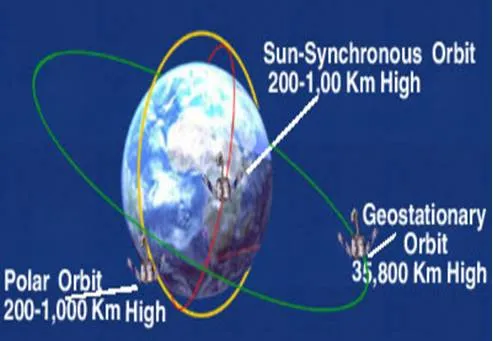
Explore polar orbiting satellites, their characteristics, applications in Earth observation, and examples like SCATSAT-1. Learn about their advantages and disadvantages.

Explore RF Low Noise Amplifiers (LNAs) in satellite communication: applications, advantages, manufacturers. Essential for amplifying weak signals, enhancing performance.

Explore 5-10 advantages and disadvantages of satellite communication including benefits like broad coverage to limitations like latency and cost.

Explore 5 key advantages and disadvantages of satellite internet, including speed, accessibility, latency, weather sensitivity and cost.
Learn the key advantages and disadvantages of satellite security mechanisms, covering encryption methods, vulnerabilities, implementation challenges and protection strategies.

Learn about spacecraft thrusters, their functions in orbit transfer, positioning, and orientation, and the governing equations based on Newton's Laws.
Explore 5 advantages and disadvantages of Sun synchronous orbits, including consistent lighting, global coverage, and limitations in continuous spot viewing.
Advertisement