
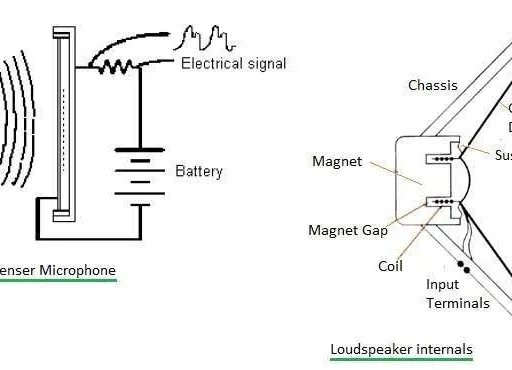
Difference between Microphone and Loudspeaker or speaker
This page compares microphone vs loudspeaker and describes difference between microphone and loudspeaker or speaker.
Advertisement
Explore articles, explainers, and practical references focused on Rf Components within Terminology.
Articles
420
Showing
76-100
Pages
4/17
More in Terminology
Jump across related topic clusters without losing your place.
Advertisement
Article Index
Showing 76-100 of 420 articles in this archive.
This page compares microphone vs loudspeaker and describes difference between microphone and loudspeaker or speaker.
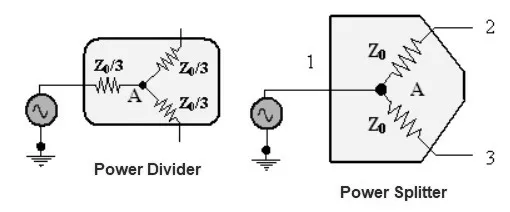
Compare Power Divider vs Power Splitter and explore difference between power divider and splitter passive RF components.
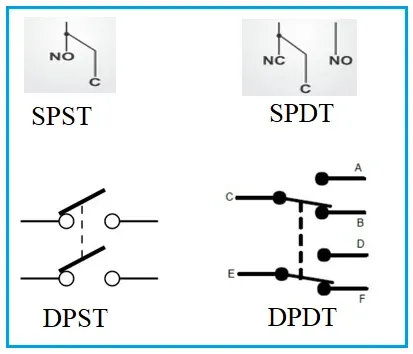
An explanation of SPST, SPDT, DPST, and DPDT RF switches, detailing their differences, functionality, operation, and typical applications.
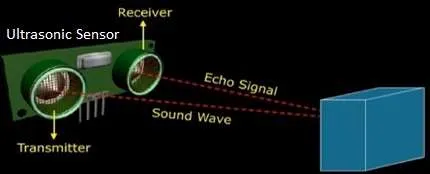
Compare Ultrasonic vs Infrared (IR) sensors and explore difference between Ultrasonic sensor and Infrared sensor as per their working operation, applications, pros and cons.
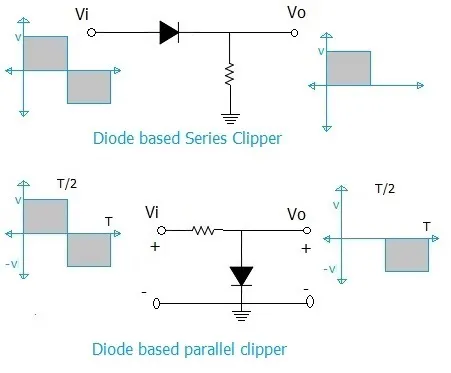
Explore the fundamental differences between diode clipper and clamper circuits, including their function, components, and output waveforms. Understand how each circuit modifies input signals.
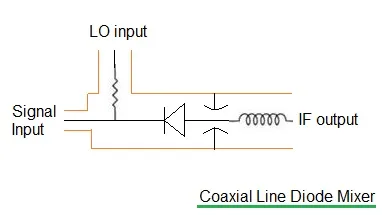
Understand the distinctions between diode mixers and harmonic mixers in RF systems, including their applications, frequency ranges, and Local Oscillator (LO) usage.
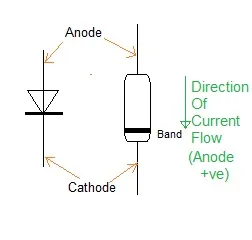
Explore the differences between diodes and thyristors. Learn about their functions, terminals, control mechanisms, and applications in electronic circuits.
Explore the fundamental differences between diodes and transistors, covering their structure, types, and applications in electronic circuits.
Explore the differences between diode, triode, tetrode, and pentode vacuum tubes, their features, and applications. Understand the evolution of vacuum tube technology.
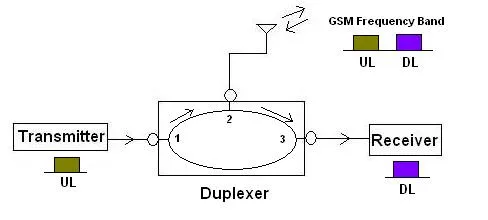
Explore the differences between diplexers and duplexers in RF communication systems, including their functionality, structure, and applications.
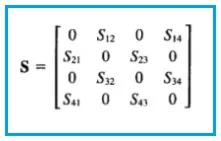
Learn about directional couplers and the step-by-step derivation of their scattering matrix (S-matrix), including assumptions and simplifications.
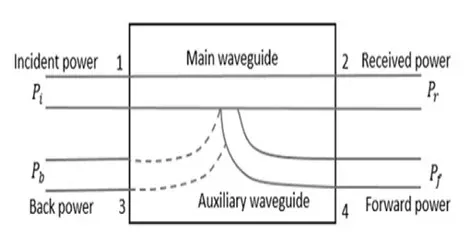
Explore the workings of directional couplers, passive microwave devices used for signal sampling and power monitoring in RF systems.
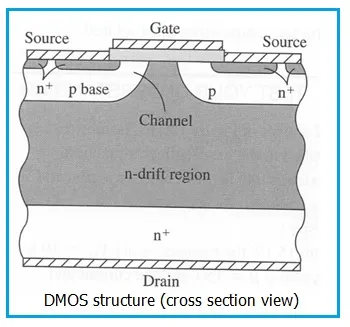
A comparison of DMOS, VMOS, and LDMOS transistors, highlighting the structural and functional differences. Learn about the double diffusion, vertical structure, and lateral diffusion characteristics.
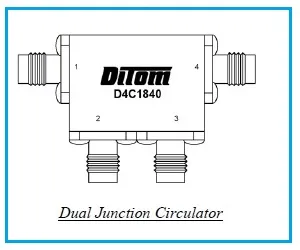
Explore the distinctions between dual junction isolators and circulators, focusing on their enhanced isolation and applications in protecting sensitive equipment.
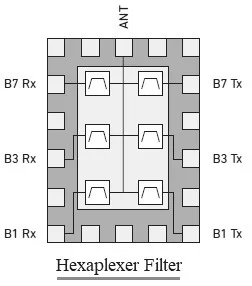
A comparison of duplexers, quadplexers, hexaplexers, and pentaplexers, highlighting their functions as multiplexers/de-multiplexers in RF systems.
Understand the difference between E-Mode and D-Mode GaN transistors. Learn how normally-off and normally-on architectures impact RF design and integration.
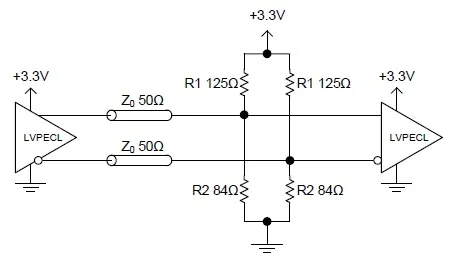
Explore the differences between ECL, PECL, and LVPECL logic families, covering their characteristics, advantages, and disadvantages for high-speed applications.
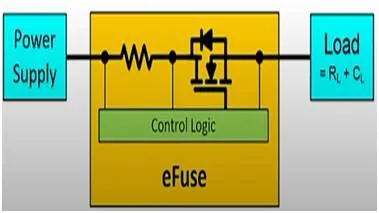
Explore the differences between eFuses and PTC fuses for overcurrent protection, covering their operation, types, and performance characteristics.
Compare electro-mechanical and solid-state RF switches. Explore differences in speed, power, isolation, and other key parameters.
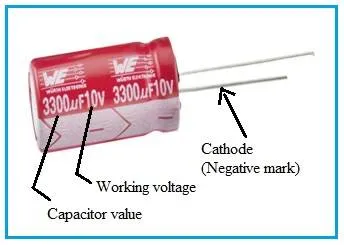
Learn about aluminum electrolytic capacitors, their polarity requirements, and the consequences of reverse biasing, including potential failure modes.
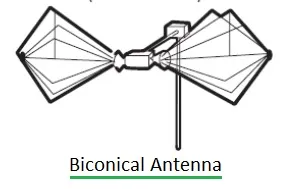
Explore biconical, broadband, and log periodic antennas for detecting electromagnetic interference (EMI). Learn about their features and applications in EMI/EMC testing.
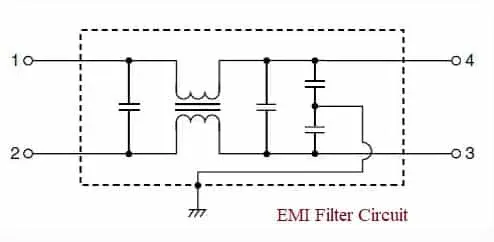
Learn about EMI filter circuits, their design principles, working operation, applications, and the components used to suppress electromagnetic interference.
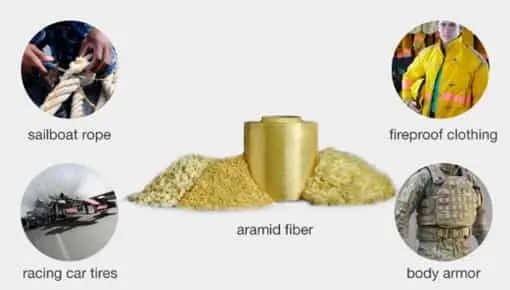
Compare EMI Shielding methods viz. traditional metal braid and metal clad Aramid Fiber.Learn their advantages & disadvantages and explore difference between them.
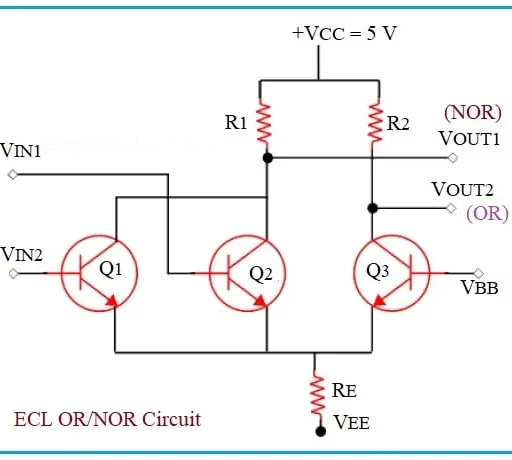
Explore Emitter Coupled Logic (ECL) circuits: their key characteristics, implementation using bipolar junction transistors (BJTs), and examples of ECL inverter, NAND, and NOR gates.
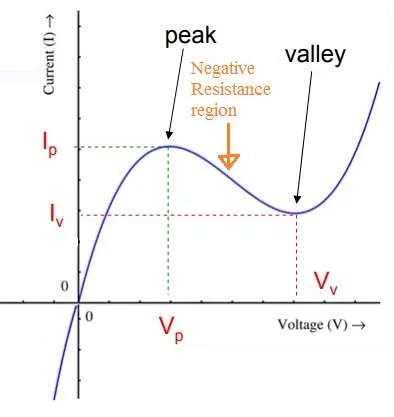
Explore the Esaki diode (tunnel diode): its negative resistance, quantum tunneling principle, I-V curve, applications in oscillators, mixers, and more.
Advertisement