
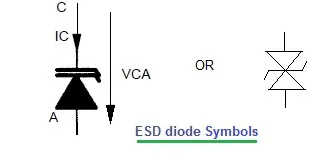
ESD Protection Diode Basics: Working and Vendors
Learn about ESD protection diodes, their function in protecting circuits from electrostatic discharge, key characteristics like avalanche voltage and low capacitance, and major vendors.
Advertisement
Explore articles, explainers, and practical references focused on Rf Components within Terminology.
Articles
420
Showing
101-125
Pages
5/17
More in Terminology
Jump across related topic clusters without losing your place.
Advertisement
Article Index
Showing 101-125 of 420 articles in this archive.
Learn about ESD protection diodes, their function in protecting circuits from electrostatic discharge, key characteristics like avalanche voltage and low capacitance, and major vendors.
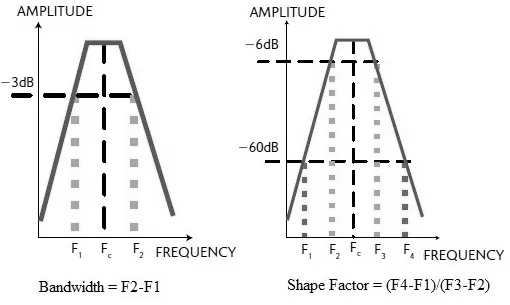
Explore filter terms like shape factor, selectivity, bandwidth, and quality factor. Learn how they define filter performance for signal clarity and system efficiency.
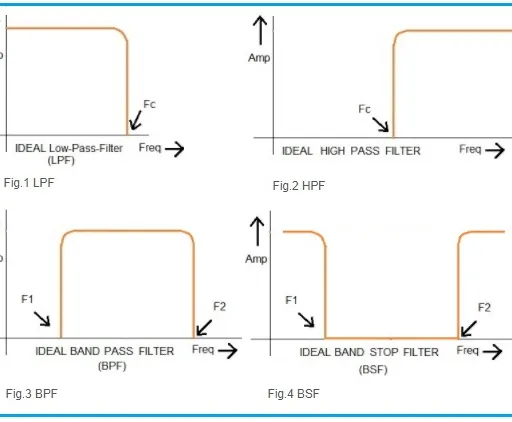
A guide to selecting the right RF filter based on technical specifications, covering electrical and mechanical parameters, filter types, and vendor selection.
Explore the functionality and applications of RF filter types: Low Pass (LPF), High Pass (HPF), Band Pass (BPF), and Band Stop (BSF), essential for managing frequency signals.
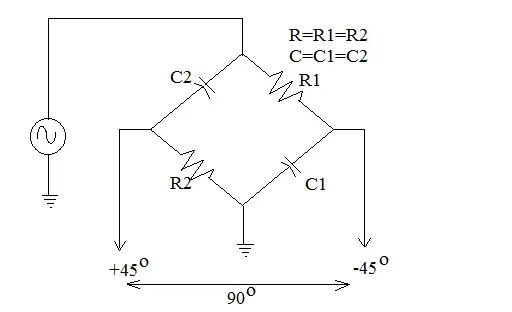
Explore the principles behind RF phase shifter circuits and achieving a 90-degree phase shift for applications in signal processing and communication systems.
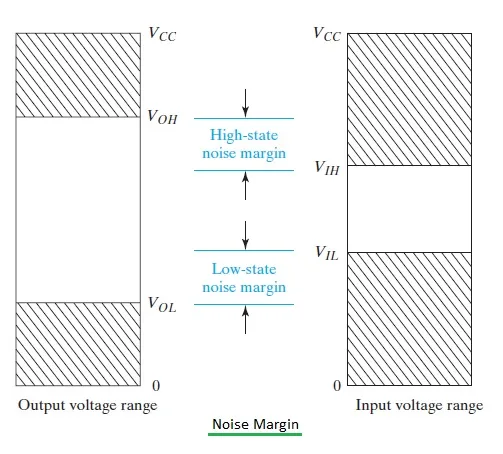
Understand the differences between fanout and noise margin in logic gates. Learn their definitions, importance, and calculations for optimal circuit performance.
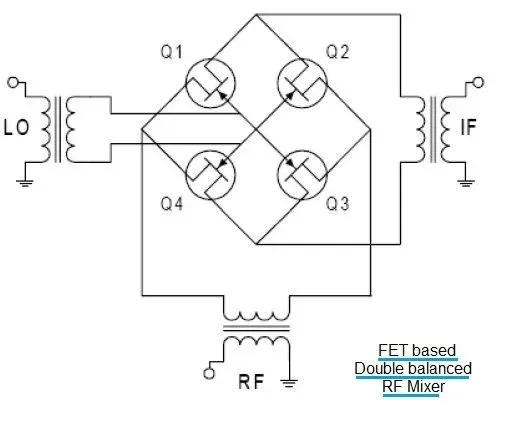
Explore the differences between FET mixers and image reject mixers, including their working principles, advantages, and limitations in RF systems.
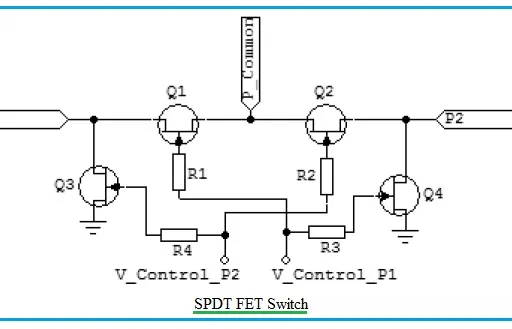
Explore the differences between FET and PIN diode RF switches. This comparison covers construction, operation, performance characteristics, and applications.
Explore the key distinctions between Firewire and USB interfaces, including data rates, voltage, and network types. Understand their historical context and applications.
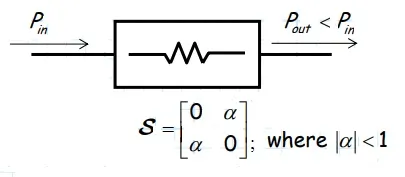
Learn about fixed attenuators, their S-matrix representation, and common applications like power reduction and return loss improvement.
Explore the purpose of a flyback diode (freewheeling/snubber diode), its applications in protecting circuits from voltage spikes, and its advantages.
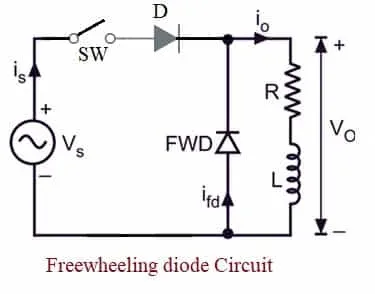
Learn about freewheeling diodes: their function in protecting circuits from inductive voltage spikes, working principle, and circuit implementation.
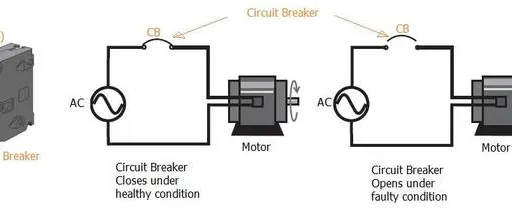
Understand the differences between fuses and circuit breakers, including their operation, advantages, and disadvantages for overcurrent protection.
Explore the definition, features, advantages, challenges and applications of Gallium nitride (GaN) on silicon carbide (SiC) monolithic MMIC power amplifiers. Learn about this promising material.
Explore the differences between Gallium Nitride (GaN) and Gallium Arsenide (GaAs) materials, their performance in power amplifiers, and their suitability for various applications.
Explore the key differences between GaN and LDMOS technologies, including applications, performance metrics, and advantages.
Explore the advantages of GaN and LDMOS technologies in RF and microwave applications, including performance, efficiency, and cost-effectiveness.
Discover the key differences between GaN-on-Si and GaAs technologies in RF front-end modules. Learn which semiconductor wins in power, cost, and efficiency.
A basic comparison of GPIB (IEEE-488) and serial (RS232, RS485) interfaces, highlighting key differences in speed, distance, and device support.
Explore the definition, features, advantages, challenges, and applications of Graphene Field-Effect Transistors (GFETs). Learn about this promising material.
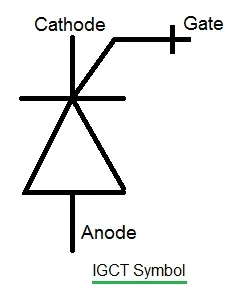
Explore the differences between GTO, IGCT, and IGBT power semiconductor devices. Understand their symbols, characteristics, advantages, disadvantages, and applications.
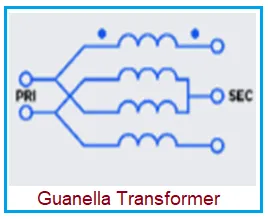
Understand the key differences between RF Autotransformers and Guanella (H) transformers. Compare frequency ranges, impedance ratios and power handling.
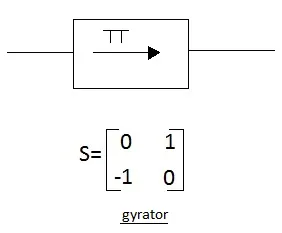
Learn about the gyrator, a ferrite-based device providing a 180-degree phase shift in RF and microwave circuits. Discover its function and working principle.
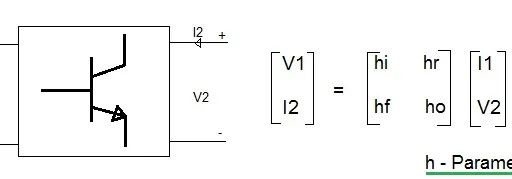
Explanation of h-parameters (hi, hf, hr, ho) used to characterize transistors. Definitions and meanings of input impedance, current gain, voltage amplification, and output admittance.
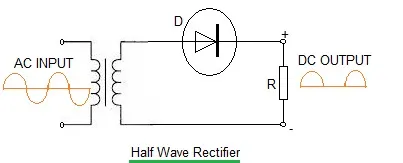
Explore the distinctions between half-wave and full-wave rectifiers, focusing on their operation and how they convert AC to DC for powering electronic devices.
Advertisement