
Electric vs. Magnetic Circuits: Key Differences Explained
Explore the key differences between electric and magnetic circuits, focusing on current/flux flow, EMF/MMF, resistance/reluctance, and energy requirements.
Advertisement
Explore articles, explainers, and practical references focused on Rf Basics within Terminology.
Articles
255
Showing
51-75
Pages
3/11
More in Terminology
Jump across related topic clusters without losing your place.
Advertisement
Article Index
Showing 51-75 of 255 articles in this archive.
Explore the key differences between electric and magnetic circuits, focusing on current/flux flow, EMF/MMF, resistance/reluctance, and energy requirements.
Understand the difference between electrical length and physical length in RF circuits. Learn how to calculate physical length based on electrical length and dielectric properties.
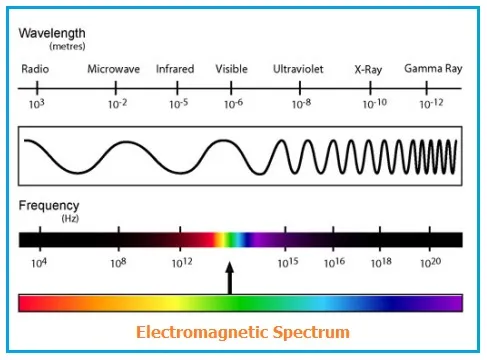
Explore the electromagnetic spectrum: frequencies, wavelengths, sources, and applications of EM waves, including radio, microwave, infrared, visible light, and more.
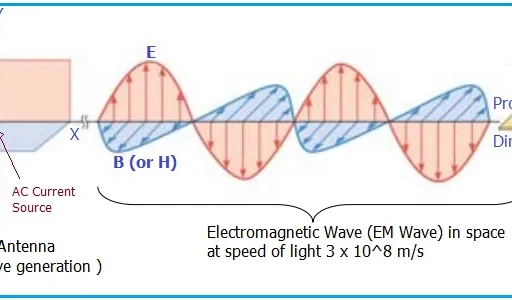
Explore the fundamental differences between electromagnetic (EM) waves and surface acoustic waves (SAW), including generation, detection, speed, and applications.
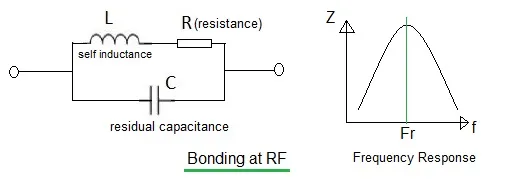
Explore EMC bonding types (direct and indirect) and their behavior at RF/microwave frequencies, emphasizing impedance, parasitic effects, and applications for EMI mitigation.
Explore the fundamentals of EMI/EMC and discover a list of standards used for testing product compliance. Learn about radiated and conducted emissions and immunity.
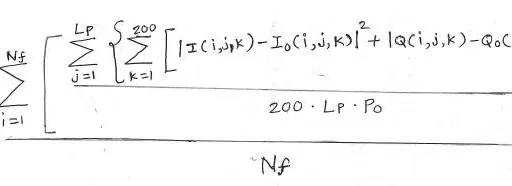
Learn about Error Vector Magnitude (EVM), its equation, and significance in wireless systems for assessing modulated signal quality in complex modulation schemes.
Explore the key differences between RF linear and non-linear simulators, their applications, mathematical models, and when to use each for optimal RF system design.
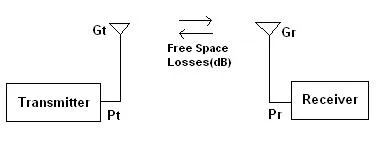
Learn about RF link budgets and the Friis transmission equation, essential tools for wireless communication engineers. Ensure robust signal strength and system reliability.
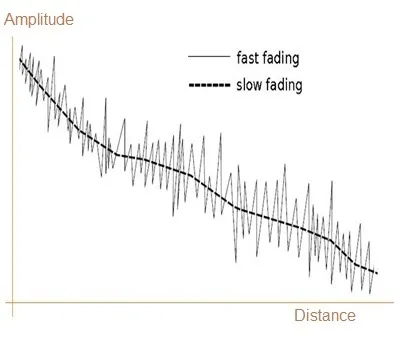
Understand the key differences between fast and slow fading in wireless communication, including their causes and characteristics related to Doppler spread and coherence time.
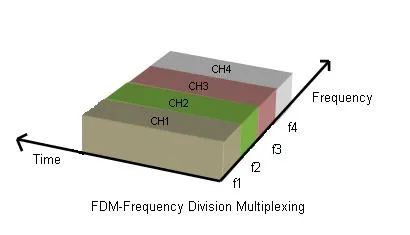
Compare FDM vs TDM and explore difference between FDM and TDM. FDM stands for Frequency Division Multiplexing where as TDM stands for Time Division Multiplexing.
Learn about Finite Difference Time Domain (FDTD), a powerful electromagnetic simulation technique, its advantages, disadvantages, and applications.
An overview of ferromagnetism and antiferromagnetism, including material properties, magnetic anisotropy, magnetostriction, and susceptibility with temperature. Magnetic material types are also listed.
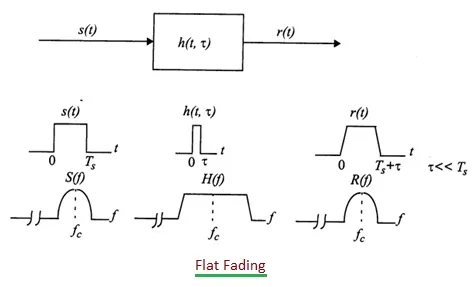
Explore the differences between flat fading and frequency selective fading in wireless communication, including bandwidth, delay spread, and frequency spectrum effects.
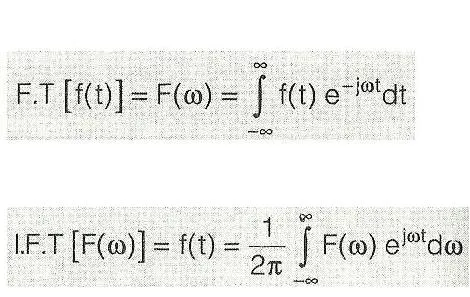
Explore the core differences between Fourier and Laplace Transforms, their applications, and how they're used in signal processing for stable and unstable systems.
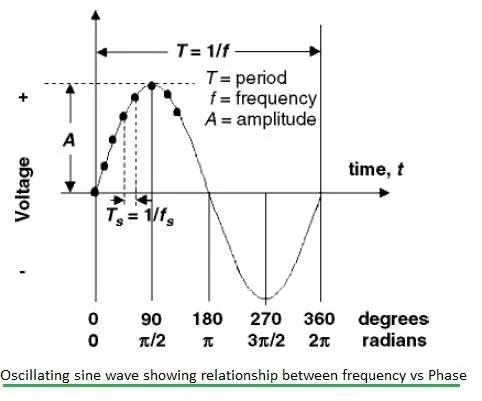
Explore the concepts of frequency and phase in waveforms, their relationship, and methods for measuring frequency offset in both frequency and time domains.
Learn Gamma Radiation basics with examples. Discover 5 advantages and disadvantages of gamma radiation.
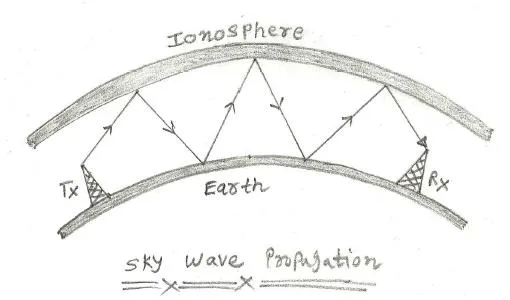
Compare Ground Wave vs. Sky Wave and explore advantages, disadvantages and key differences.
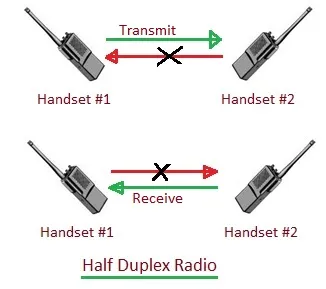
Explore the distinctions between half duplex and full duplex radio systems, including their principles of operation, simultaneous communication, and use of TDD and FDD.
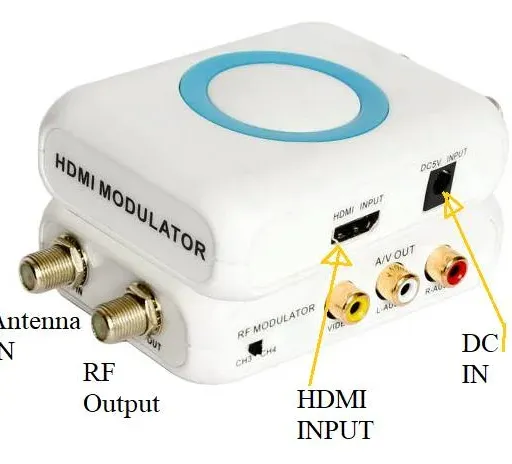
Learn about HDMI to RF conversion, its necessity for connecting modern devices to older TVs, and considerations for choosing the right converter.
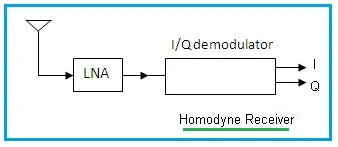
Explore the distinctions between heterodyne and homodyne receiver architectures, focusing on signal conversion techniques and demodulation processes in radio systems.
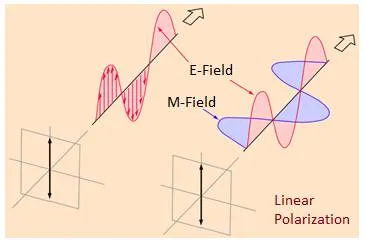
Explore the difference between horizontal and vertical polarization in radio wave communication, including their uses and importance for effective signal transmission.
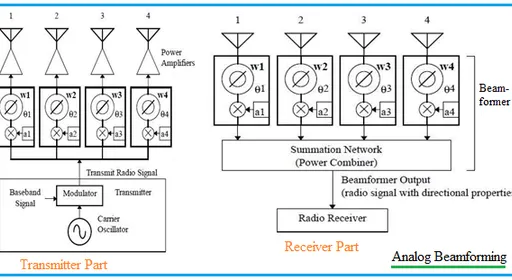
Learn the fundamentals of hybrid beamforming, its types (partially and fully connected), advantages, disadvantages, and its relation to analog and digital beamforming.
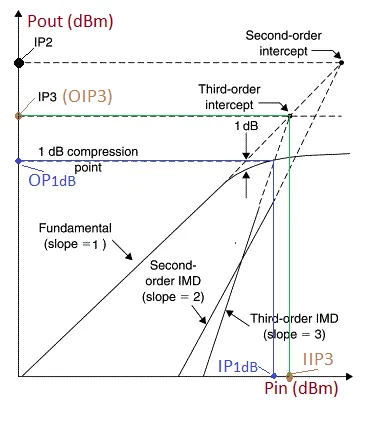
Explore the concepts of IIP3 and OIP3 (Input/Output Third Order Intercept Point), their significance in RF systems, and the relationship between them in handling intermodulation distortion.
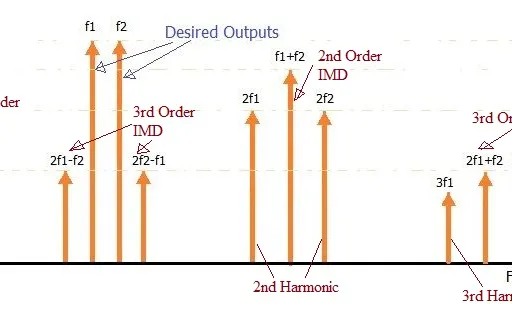
Learn IMD, IP3, and OIP3 differences including definitions, calculations, RF linearity, amplifier performance, and measurement techniques.
Advertisement