
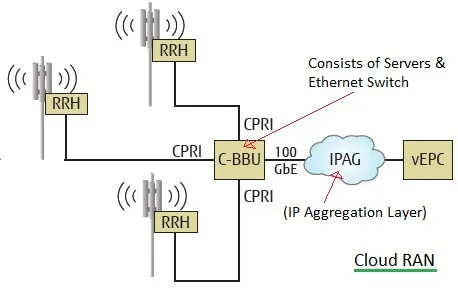
What is Cloud RAN : CRAN Advantages and Disadvantages
Explore advantages and disadvantages of Cloud RAN (C-RAN) technology, including benefits like faster deployment, reduced costs, and drawbacks like high fronthaul capacity requirements.
Advertisement
Explore articles, explainers, and practical references focused on Mobile Communication within Terminology.
Articles
152
Showing
126-150
Pages
6/7
More in Terminology
Jump across related topic clusters without losing your place.
Advertisement
Article Index
Showing 126-150 of 152 articles in this archive.
Explore advantages and disadvantages of Cloud RAN (C-RAN) technology, including benefits like faster deployment, reduced costs, and drawbacks like high fronthaul capacity requirements.
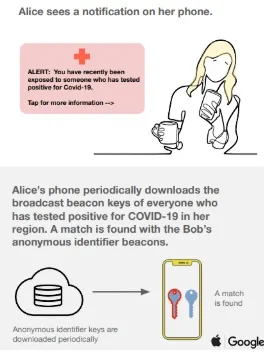
Explore 5 advantages and 3 disadvantages of contact tracing technology,its application during the COVID-19 pandemic and its impact on privacy and security.
CTCSS and DCS are signaling systems used in walkie-talkies to reduce interference and filter unwanted transmissions, enabling clearer communication. CTCSS uses analog tones, while DCS uses digital codes.
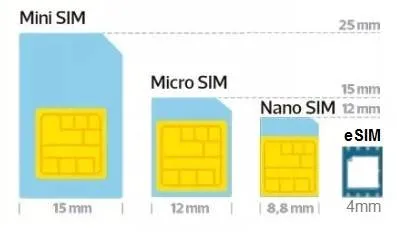
Explore advantages and disadvantages of eSIM technology for end-users, operators, and device manufacturers. Learn about global connectivity, security, and potential privacy concerns.
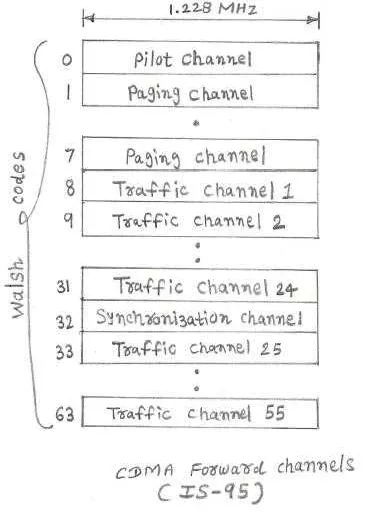
Learn FDMA, TDMA, and CDMA multiple access techniques and explore difference between them including their advantages, disadvantages and application examples.
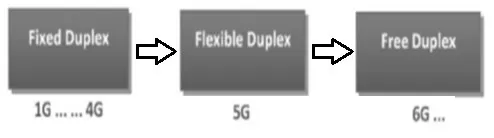
Explore the free duplex concept in 6G mobile, contrasting it with fixed and flexible duplex methods. Learn about its advantages, including increased throughput and improved spectrum efficiency.
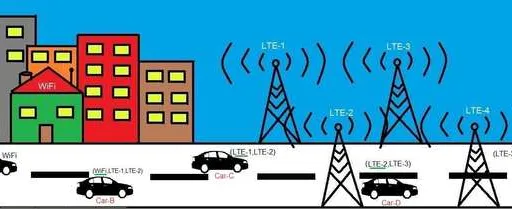
Explore the fundamentals of Google Fi (formerly Project Fi), its network architecture, how it seamlessly switches between Wi-Fi and cellular, and device compatibility.
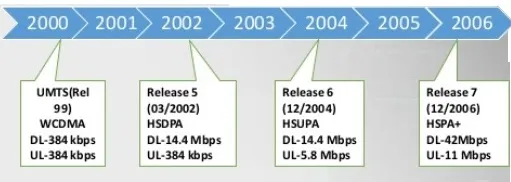
Explore advantages and disadvantages of HSDPA (High-Speed Downlink Packet Access) technology, a 3G enhancement for faster data download speeds.
Explore advantages and disadvantages of HSPA (High-Speed Packet Access) technology, including its data rates, coverage, and cost implications.
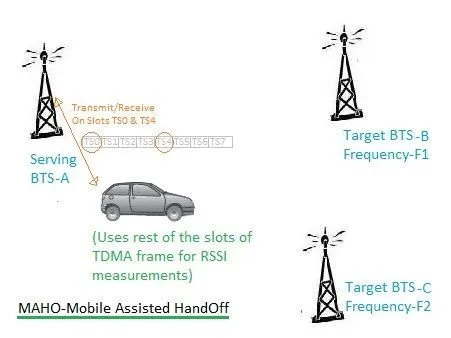
Explore Mobile Assisted Handover (MAHO) in mobile networks, its role in seamless connectivity, and its impact on network performance and user experience.
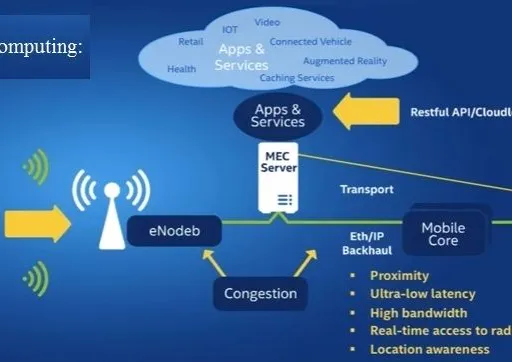
Learn the fundamentals of Mobile Edge Computing (MEC), its architecture, benefits, and use cases. Discover how MEC brings IT services to the edge of wireless networks.
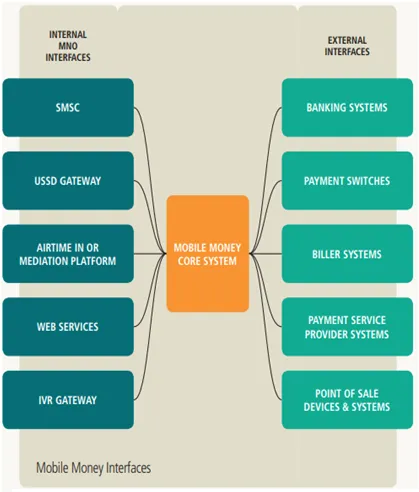
Explore atleast 5-10 advantages and disadvantages of mobile money, including accessibility, security concerns and more.
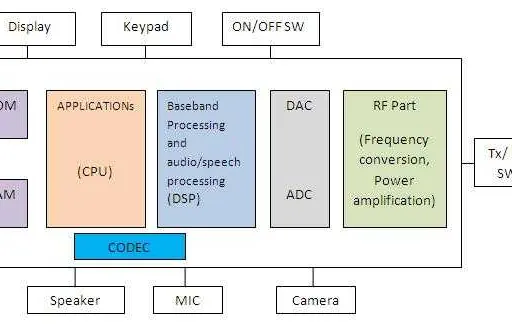
Explore 10 advantages and disadvantages of Mobile Phone basics including benefits or advantages of Mobile Phone and drawbacks or disadvantages of Mobile Phone.
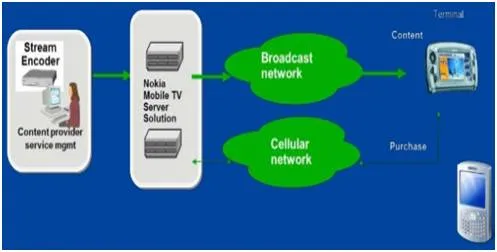
Explore the pros and cons of Mobile TV, including accessibility, cost, and industry growth, alongside drawbacks like internet needs and potential health concerns.
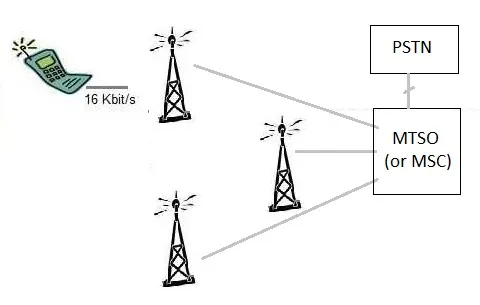
Explore the Mobile Telephone Switching Office (MTSO), its key functions in managing cellular networks, call routing, handovers, and communication between mobile devices and PSTN.

Explore Near Field Communication (NFC) technology in mobile phones, covering its uses in payments, data transfer, ticketing, and access control.
Explain Near RT RIC Vs. Non RT RIC (RAN Intelligent Controller) as per 5G O-RAN architecture and explore difference between them.
Learn about ping pong handover, its causes due to improper hysteresis margin, and its negative impacts on network performance and call quality.
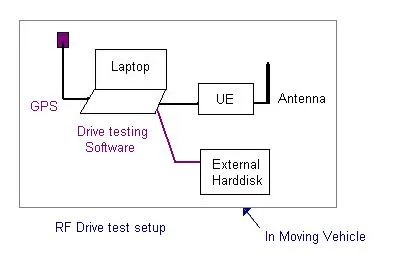
Explore RF drive testing in telecom, its importance in network optimization, common measurements, setup, data analysis, and essential tools for evaluating wireless network performance.
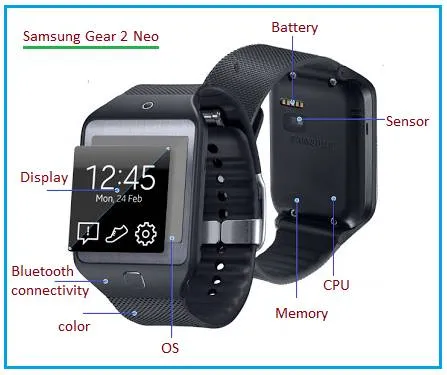
Explore 5 key advantages and disadvantages of smart watch including benefits like battery life and drawbacks like privacy concerns.
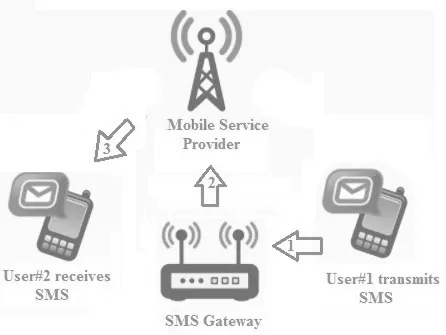
Explore 5 key advantages and disadvantages of SMS (Short Message Service) communication.
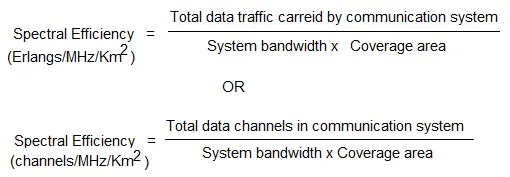
Explore spectral efficiency in wireless communication, comparing FDMA, TDMA, and CDMA techniques for optimizing radio frequency resource utilization.
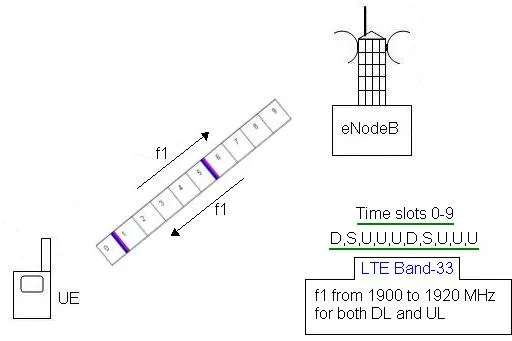
Explore the pros and cons of TDD (Time Division Duplex) and FDD (Frequency Division Duplex) technologies in wireless communication systems like LTE.
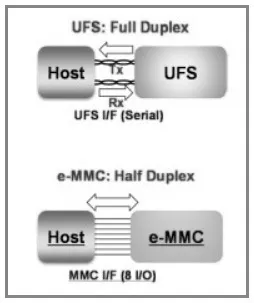
Explore the advantages of UFS storage (versions 2.0 to 3.1) over e-MMC, including enhanced speed, lower latency, reduced power consumption, and improved IOPS in mobile devices.
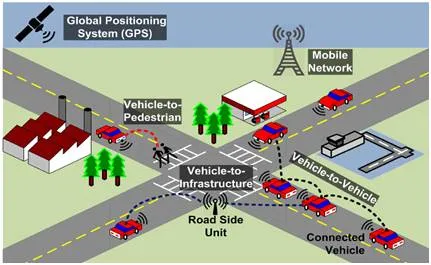
Explore the pros and cons of V2X communication, including enhanced safety, efficiency, and potential drawbacks like hacking vulnerabilities and privacy concerns.
Advertisement