
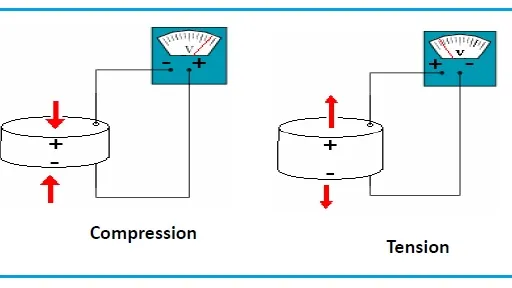
Ferroelectric vs. Piezoelectric Materials: Key Differences Explained
Explore the distinctions between ferroelectric and piezoelectric materials, including their properties, effects, and applications in various technologies.
Advertisement
Trace every article connected to this tag across guides, explainers, and practical RF topics. This view is especially useful when the same concept spans multiple categories.
Articles
8
Showing
1-8
Pages
1/1
Where this tag appears most
Open the categories where this topic shows up most often.
Advertisement
Tagged Articles
Showing 1-8 of 8 articles tagged with Material Science.
Explore the distinctions between ferroelectric and piezoelectric materials, including their properties, effects, and applications in various technologies.
Explore shape memory polymers (SMPs): smart materials with the ability to revert to a specific shape when triggered by external stimuli like temperature, light, or pH changes. Discover their applications, advantages, and limitations.
Explore soft actuators in IoT: features, advantages, applications. Learn how these flexible devices enhance safety, enable shape-changing, and revolutionize human-device interactions.
Explore the crucial role of space materials in spacecraft design. Learn about their key properties, common types like MLI and Kevlar, and diverse applications.
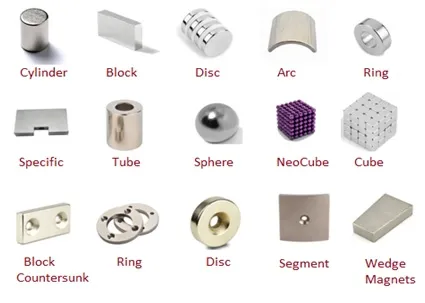
Explore the pros and cons of Neodymium magnets (NdFeB), including their high strength, size, temperature limitations, and corrosion resistance.
Explore the pros and cons of graphene, a revolutionary 2D material, covering its strength, conductivity, challenges in production, and environmental concerns.
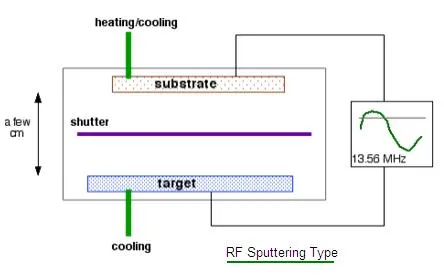
Explore 5 key advantages and disadvantages of RF sputtering for thin film deposition, including film quality, material versatility, and challenges like deposition rates.
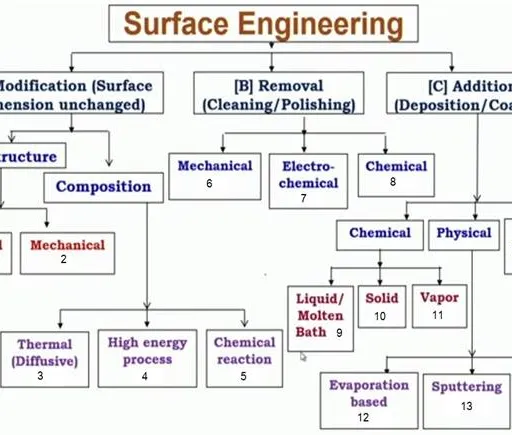
Explore 5 key advantages and disadvantages of Surface Engineering including its benefits like improved quality, corrosion resistance and drawbacks like time consuming processes, environmental requirements.
Advertisement