
TI Image Sensor Chip Aims to Replace FPGAs
Texas Instruments' SN65LVDS324 image sensor chip offers a potential replacement for FPGAs in specific applications, delivering full HD 1080p60 image quality with low power consumption.
Advertisement
Trace every article connected to this tag across guides, explainers, and practical RF topics. This view is especially useful when the same concept spans multiple categories.
Articles
8
Showing
1-8
Pages
1/1
Where this tag appears most
Open the categories where this topic shows up most often.
Advertisement
Tagged Articles
Showing 1-8 of 8 articles tagged with Lvds.
Texas Instruments' SN65LVDS324 image sensor chip offers a potential replacement for FPGAs in specific applications, delivering full HD 1080p60 image quality with low power consumption.
Explore the key differences between ECL, LVDS, and CML interfaces. Learn about their characteristics, advantages, and disadvantages for high-speed data transmission.
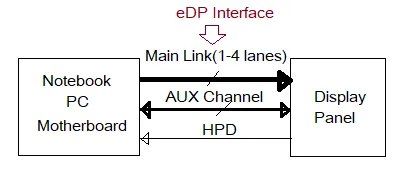
Explore the eDP (Embedded DisplayPort) display interface, its advantages over LVDS, and its key features for modern display technology.
Explore the key differences between JESD204B and LVDS, including lane rates, clocking, synchronization, and applications.
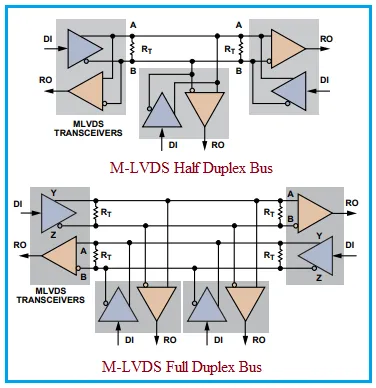
Compare LVDS and M-LVDS differential signaling methods for high-speed communication. Understand their differences in applications, data rates, and common mode range.
Explore the distinctions between LVDS and TTL, covering noise immunity, distance, wiring, and power consumption. Understand why LVDS excels in noisy, long-distance applications.
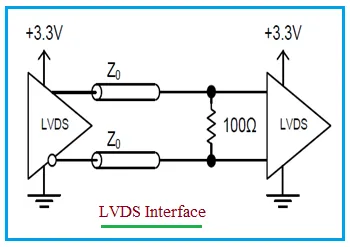
Explore the pros and cons of LVDS (Low Voltage Differential Signaling) interface. Understand its benefits and drawbacks in various applications.
Explore the benefits and drawbacks of M-LVDS, a multipoint communication protocol, highlighting its strengths and limitations compared to LVDS.
Advertisement