
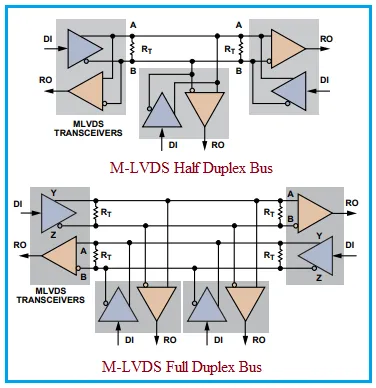
LVDS vs M-LVDS: Key Differences Explained
Compare LVDS and M-LVDS differential signaling methods for high-speed communication. Understand their differences in applications, data rates, and common mode range.
Advertisement
Trace every article connected to this tag across guides, explainers, and practical RF topics. This view is especially useful when the same concept spans multiple categories.
Articles
4
Showing
1-4
Pages
1/1
Where this tag appears most
Open the categories where this topic shows up most often.
Advertisement
Tagged Articles
Showing 1-4 of 4 articles tagged with Differential Signaling.
Compare LVDS and M-LVDS differential signaling methods for high-speed communication. Understand their differences in applications, data rates, and common mode range.
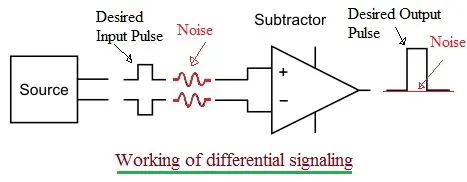
Explore 5 key advantages and disadvantages of differential signaling including its benefits like reduction in noise and high speed transmission and its drawbacks such as increased complexity.
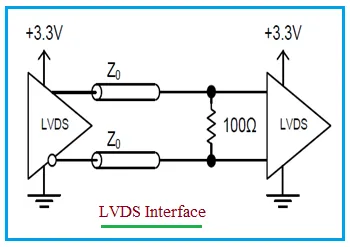
Explore the pros and cons of LVDS (Low Voltage Differential Signaling) interface. Understand its benefits and drawbacks in various applications.
Explore the benefits and drawbacks of M-LVDS, a multipoint communication protocol, highlighting its strengths and limitations compared to LVDS.
Advertisement