
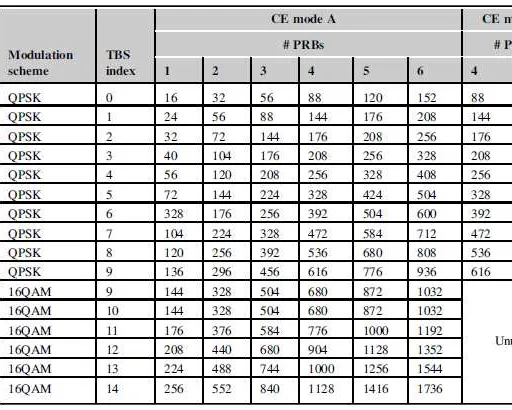
LTE-M CE Mode A vs CE Mode B: Coverage Enhancement Explained
Understand the differences between CE Mode A and CE Mode B in LTE-M. Learn how each enhances coverage for IoT devices in challenging environments, balancing performance and power.
Advertisement
Trace every article connected to this tag across guides, explainers, and practical RF topics. This view is especially useful when the same concept spans multiple categories.
Articles
8
Showing
1-8
Pages
1/1
Where this tag appears most
Open the categories where this topic shows up most often.
Advertisement
Tagged Articles
Showing 1-8 of 8 articles tagged with Lte M.
Understand the differences between CE Mode A and CE Mode B in LTE-M. Learn how each enhances coverage for IoT devices in challenging environments, balancing performance and power.
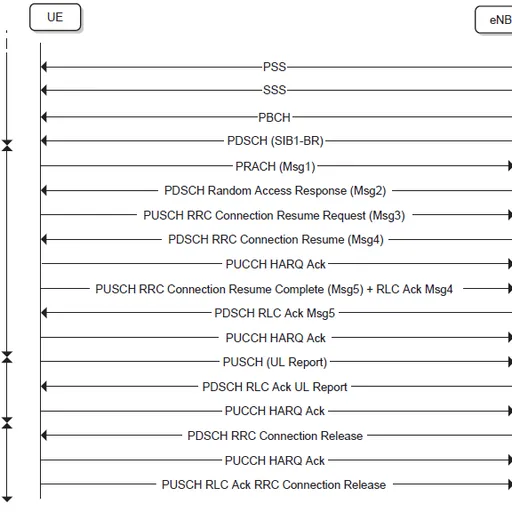
Explore the differences between LTE-M CE Mode A and CE Mode B, including their characteristics and applications in cellular IoT.
Explore the key differences between LTE-M device categories Cat-0, Cat-M1, and Cat-M2, focusing on their specifications, data rates, bandwidth, and features for IoT applications.
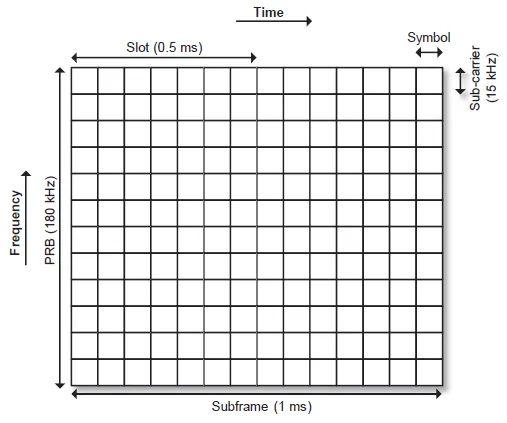
Understand the LTE-M frame structure, including hyperframes, frames, subframes, slots, and the PRB pair. Explore its constituents and how it relates to LTE.
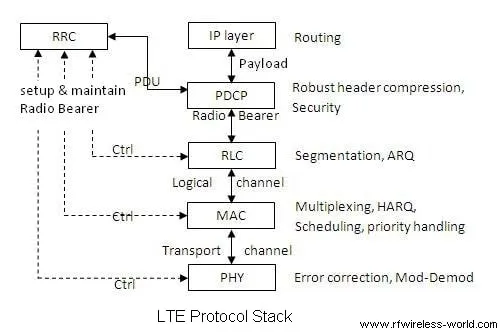
Explore the LTE-M protocol stack, including the user and control planes, and the functions of each layer: PHY, MAC, RLC, PDCP, and RRC.
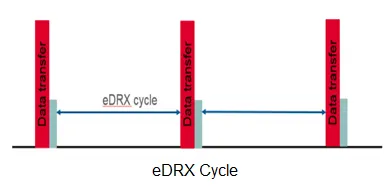
Comparison of Power Saving Mode (PSM) and extended Discontinuous Reception (eDRX) for power saving in EC-GSM, LTE-M, and NB-IoT.
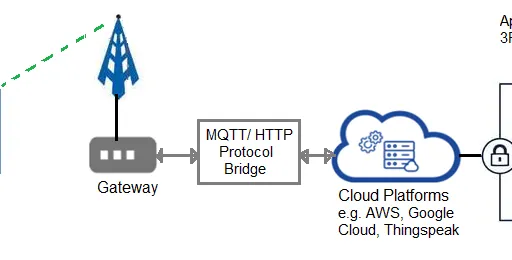
Explore cellular IoT kit vendors for GSM, LTE, 5G, LoRaWAN, and NB-IoT. Find manufacturers, benefits, and features of cellular IoT development kits.
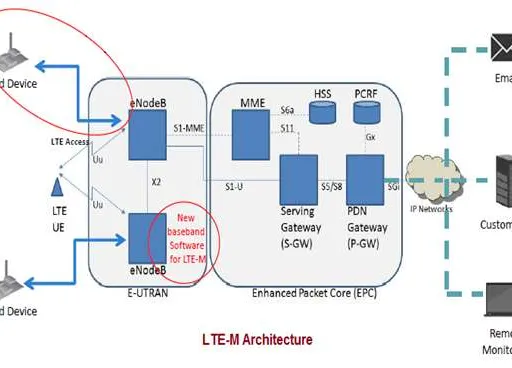
Explore the pros and cons of LTE-M technology for IoT, including its benefits in coverage, power efficiency, and limitations in cost and data rates.
Advertisement