

LoRaWAN Wildfire System Architecture:Benefits and Challenges
Learn LoRaWAN based wildfire detection and monitoring system architecture, its working, benefits and challenges.
Advertisement
Browse the full Articles archive with practical articles, guides, and reference material from RF Wireless World.
Articles
463
Showing
201-225
Pages
9/19
Popular subtopics
Jump across related topic clusters without losing your place.
Advertisement
Article Index
Showing 201-225 of 463 articles in this archive.
Learn LoRaWAN based wildfire detection and monitoring system architecture, its working, benefits and challenges.

Explore the 7 layers of the IoT protocol stack, from the sensor layer to the application layer, and understand the function of each in IoT communication.
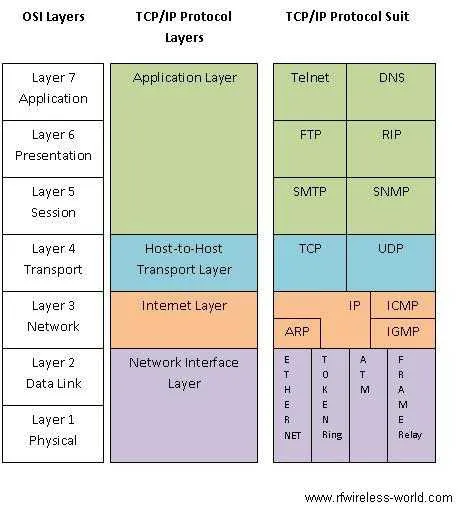
A detailed comparison of the IoT (Internet of Things) stack versus the Web stack, highlighting key differences in functionalities across the OSI and TCP/IP models.
Overview of popular IoT development kits from vendors like ARM, AWS, Arduino, and Intel, enabling rapid prototyping and development of IoT devices.

Answers to frequently asked questions about Jio Fiber, including its technology, benefits, plans, availability, and how it compares to other broadband options.

Explore the Internet of Things (IoT): its functions, applications, potential benefits, and security concerns for humanity.

Explore IoT interoperability, its importance in diverse device ecosystems, interoperability tests, and the challenges in ensuring seamless device communication.

Explore thermal and non-thermal rocket propulsion systems, their functions, key elements like rocket engines, propellants, combustion, and thrust vector control.

Explore IoT security measures including encryption, authentication, and network protection to safeguard devices against cyber threats and ensure secure IoT operations.
Explore how IoT is revolutionizing manufacturing, enabling smart factories through interconnected sensors, devices, and real-time monitoring.

Explore the fundamental principles of rocket propulsion and the various types of rockets used for space exploration, military, and scientific purposes.

Explore the architecture of an IoT healthcare system, its components, common sensors, and benefits for patient care, remote monitoring, and medical research.

Learn the basics of IoT Gateways, including their functions and features, with a focus on the Intel IoT Gateway and its capabilities.

Explore the architecture of IoT-based smart cities, including components like smart infrastructure, traffic management, and waste management, and their benefits.

Explore the classification of IoT devices into types like class 0, 1, and 2 based on their capabilities and applications.

Learn the fundamentals of IoT, focusing on Windows 10 IoT Core, its features, and development aspects.
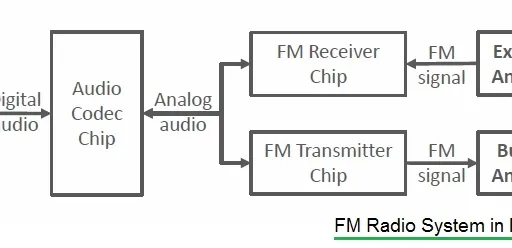
Understand regular and FM radio broadcasting principles, technologies, and their roles in audio content delivery. Explore features, frequencies, and components.
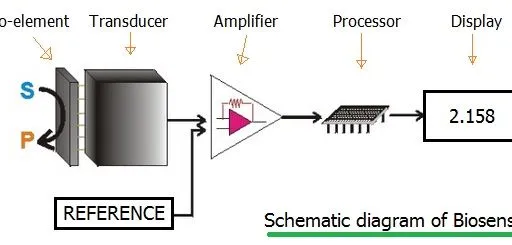
Explore types of biosensors including optical, electrochemical and piezoelectric including their working principles and key differences.Describe 3 examples of biosensor types.

Explore Self Interference Cancellation (SIC) in 5G for full duplex radios, comparing Analog and Digital SIC techniques and their benefits for mobile applications.
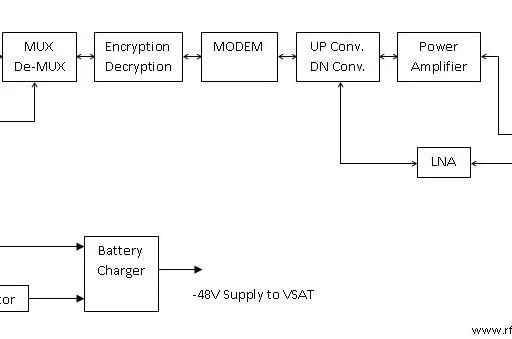
Explore the architecture of Satellite IoT networks, detailing the components and how they function. Discover how satellites extend network coverage to remote and inaccessible regions.

Learn the fundamentals of RF capture technology, including its features, working principles, and capabilities, for applications like detecting people behind walls.

Explore RF energy harvesting systems: how they capture and convert ambient radio frequency signals into electrical power for low-power devices and IoT.
Explore the evolution of IEEE 802.11 standards (Wi-Fi), from legacy versions to the latest Wi-Fi 6 and upcoming Wi-Fi 7, detailing their features, data rates, and applications.

Explore the architecture of Software Defined Radio (SDR), its key components like DSP, DUC, and RF converters, and the benefits of its software-defined nature.

Software-Defined Networking (SDN) separates the control plane from the data plane, enabling centralized control, programmability, and improved network management. It enhances flexibility and efficiency for modern networks.
Advertisement