
SAE J1939: A Communication Protocol for Vehicles
SAE J1939 is a set of SAE standards that defines a communication protocol based on CAN for use in commercial vehicles and heavy equipment.
Advertisement
Explore articles, explainers, and practical references focused on Protocols within Terminology.
Articles
50
Showing
26-50
Pages
2/2
More in Terminology
Jump across related topic clusters without losing your place.
Advertisement
Article Index
Showing 26-50 of 50 articles in this archive.
SAE J1939 is a set of SAE standards that defines a communication protocol based on CAN for use in commercial vehicles and heavy equipment.
Explore SERCOS III: a real-time communication protocol for industrial automation. Learn about its key features, advantages, disadvantages, and applications in motion control and robotics.
A comparison of SIP and IAX protocols, highlighting their differences in bandwidth, structure, robustness, extensibility, and security in VoIP technology.
Explore the differences between SLIP and PPP, two protocols used for dial-up internet. Learn about SLIP's limitations and how PPP addresses them, making it the dominant protocol today.
SMTP and SMTPS are protocols for email transmission. SMTPS enhances SMTP by adding SSL/TLS encryption for secure data transfer, safeguarding against eavesdropping and tampering.
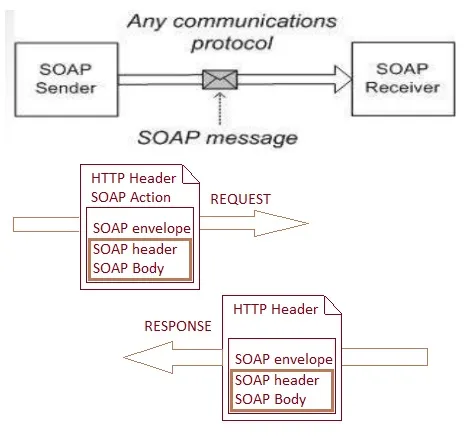
Explore the key differences between SOAP and REST protocols, including their architecture, data format, security, and applications. Understand when to use each.
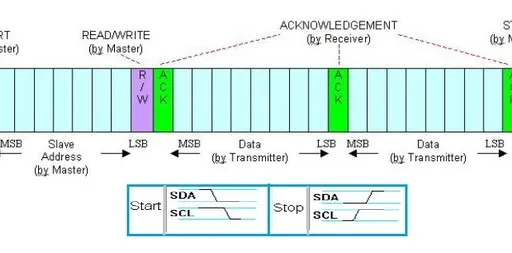
A detailed comparison of SPI and I2C serial communication protocols, covering interface diagrams, data rates, addressing, and applications.
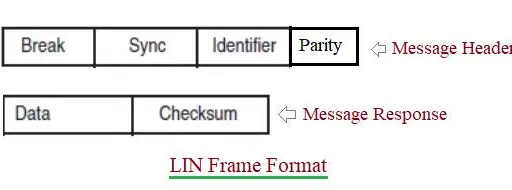
The LIN bus is a cost-effective alternative to CAN, ideal for lower-speed, short-distance communication in automotive and industrial applications. Learn about its architecture, frame formats, and error types.
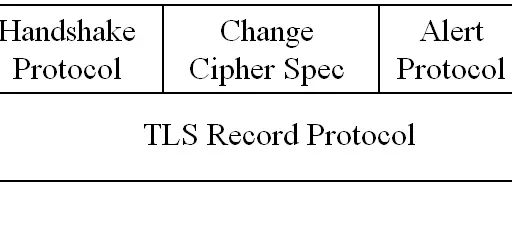
Explore the differences between TLS and DTLS, their functionalities, and uses in securing data communication over computer networks.
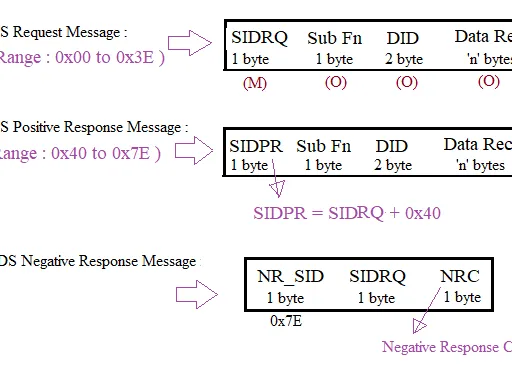
Learn about Data Identifiers (DIDs) in the UDS protocol, which allow diagnostic tools to request specific data from vehicle ECUs, enabling efficient diagnostics.
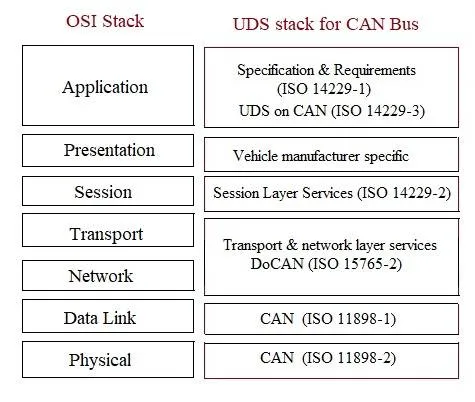
Explore the architecture of the UDS (Unified Diagnostic Services) protocol stack, its layers, and their functions, particularly in the context of CAN bus communication.
Explore the UDS request and response frame formats, including service request, positive response, and negative response messages.
Explore UDS SIDs (Service Identifiers) used in automotive diagnostics based on the UDS protocol. This article provides a comprehensive UDS SID table.
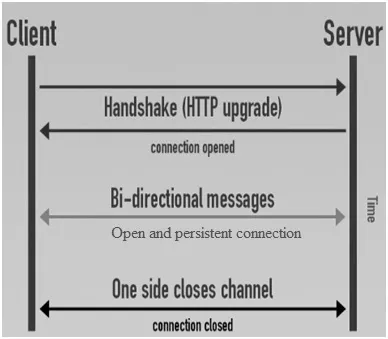
Explore the pros and cons of using WebSockets compared to HTTP, particularly in the context of real-time communication and IoT applications.
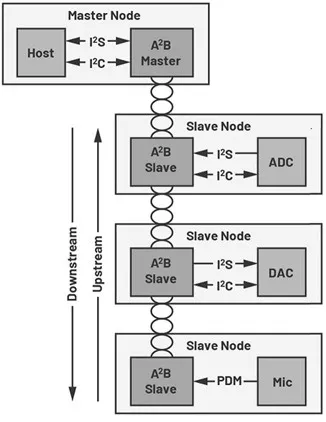
Discover A2B (Automotive Audio Bus) protocol basic features and explore advantages and disadvantages of A2B Protocol.
Learn about DoIP (Diagnostic Communication over Internet Protocol), its benefits, and how it surpasses older diagnostic protocols like CAN and K-line in automotive diagnostics.
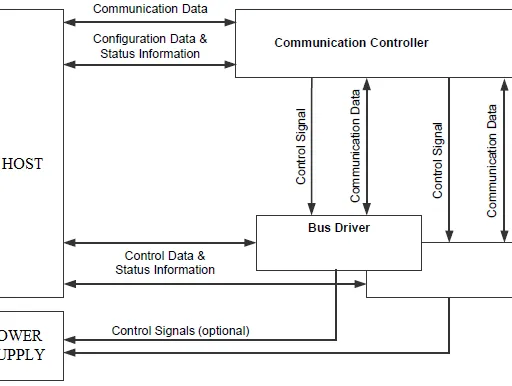
Explore the FlexRay protocol, comparing its advantages and disadvantages to CAN, covering features, benefits, drawbacks, and applications.
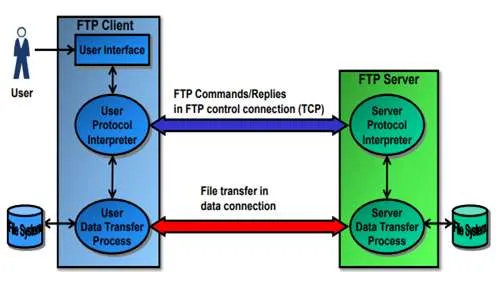
Explore 5-10 key advantages and disadvantages of FTP (File Transfer Protocol) compared to modern alternatives in networking for data communication.
Explore the K-Line protocol, its benefits for automotive communication, including simplicity and reliability, and its drawbacks like low data rates.
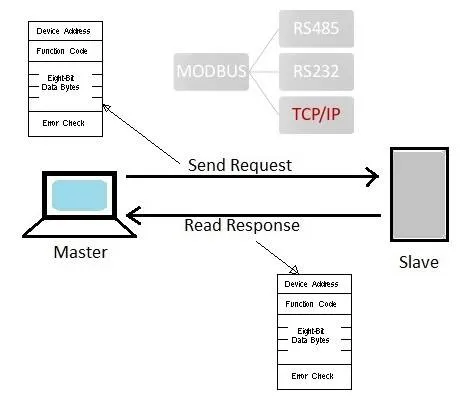
Learn Modbus protocol, its master slave architecture, difference between transmission modes (ASCII/RTU), message framing, and the role of Hart to Modbus converters.
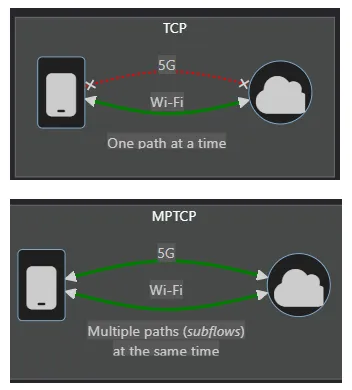
Learn Multipath TCP (MPTCP) protocol and explore advantages and disadvantages of MPTCP over Standard TCP.
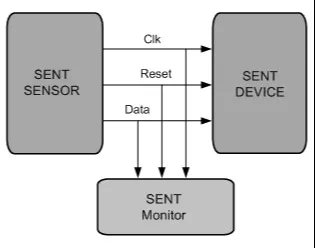
Understand SENT protocol as defined in SAE J2716 used for sensor to ECU communication and explore its advantages and disadvantages and application insights.
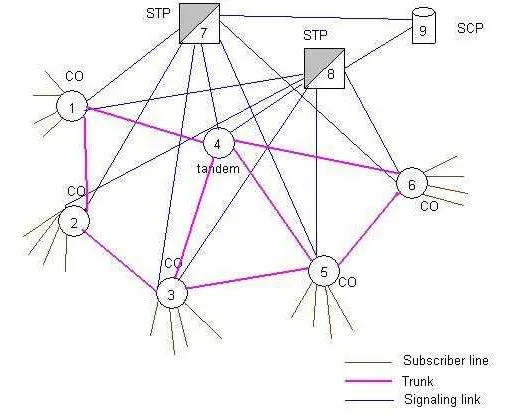
Explore 5-10 advantages and disadvantages of SS7 (Signaling System 7), a global telephone signaling protocol. Understand its benefits and drawbacks in modern communication networks.
Explore the pros and cons of Voice over Internet Protocol (VoIP), including cost savings, ease of use, sound quality, and security risks.
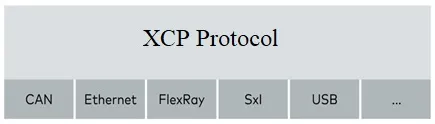
Explore features of XCP protocol used in automotive domain including benefits or advantages of XCP Protocol.
Advertisement