
Timing Advance in 5G NTN : Difference between TAcommon vs TAspecific
Compare TAcommon vs TAspecific terms related to timing advance (TA) used in 5G NTN and explore difference between them.
Advertisement
Explore articles, explainers, and practical references focused on 5g within Terminology.
Articles
130
Showing
101-125
Pages
5/6
More in Terminology
Jump across related topic clusters without losing your place.
Advertisement
Article Index
Showing 101-125 of 130 articles in this archive.
Compare TAcommon vs TAspecific terms related to timing advance (TA) used in 5G NTN and explore difference between them.
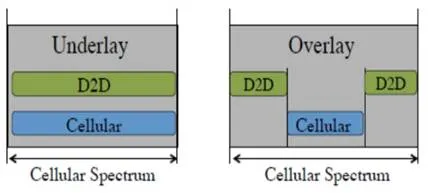
Explore the differences between Underlay and Overlay D2D communication in cellular networks, focusing on spectrum allocation, interference management, and implementation complexity.
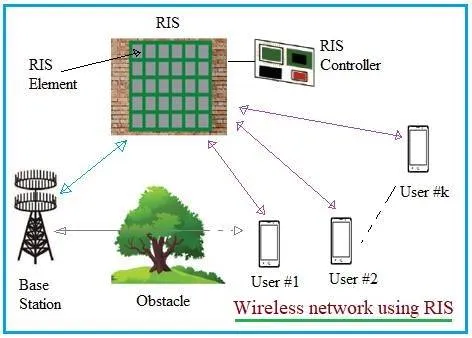
Explore the benefits and drawbacks of Reconfigurable Intelligent Surfaces (RIS) in 6G wireless networks, including improved coverage, energy efficiency, and potential limitations.
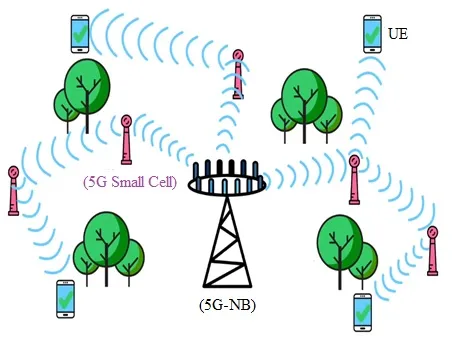
Explore 5 key advantages and disadvantages of small cells, including coverage extension, increased network capacity, deployment costs, and technical challenges.
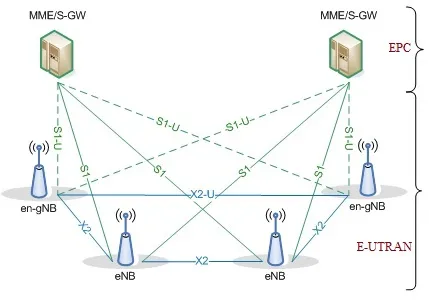
Explore 5G EN-DC (E-UTRA NR Dual Connectivity), enabling devices to connect to both LTE and NR networks simultaneously, leveraging the benefits of each.
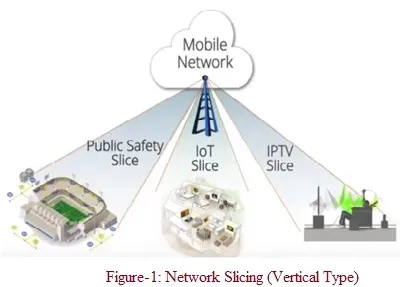
Explore 5 key advantages and disadvantages of 5G network slicing, a key technology enabling customized network performance for diverse applications and services.
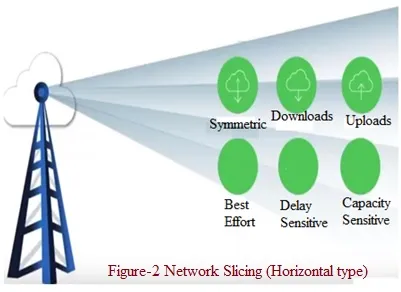
Explore 5G network slicing: definition, types (vertical, horizontal, static, dynamic), functions, and its role in enabling diverse services and applications.
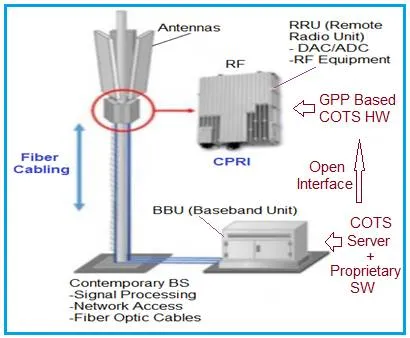
Explore advantages and disadvantages of 5G OpenRAN, including reduced costs, increased flexibility, and potential performance limitations.
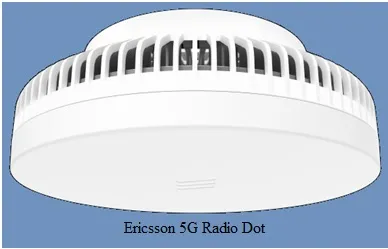
Explore the applications of 5G Radio Dot in enhancing indoor coverage and delivering high-speed connectivity in 5G networks. Learn about its key features.
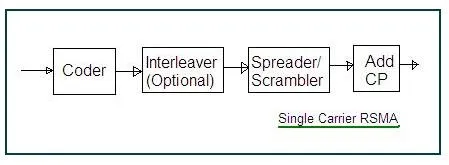
Understand 5G RSMA (Resource Spread Multiple Access), its types (single and multi-carrier), benefits, and drawbacks in IoT and other wireless applications.
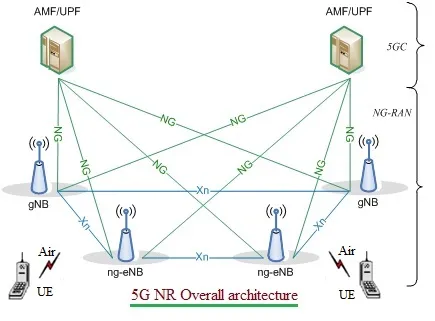
Explore 5 key advantages and disadvantages of 5G technology, including data speeds, latency, deployment challenges and security concerns.
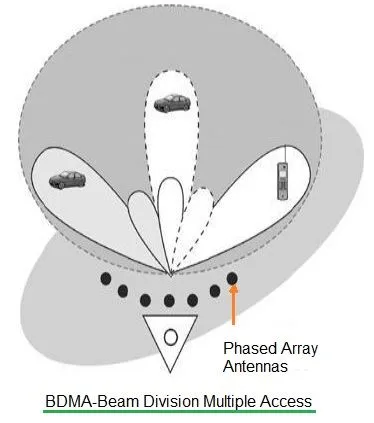
Explore BDMA (Beam Division Multiple Access), a 5G technology that utilizes separate beams to target subscribers in different regions, enhancing system capacity.
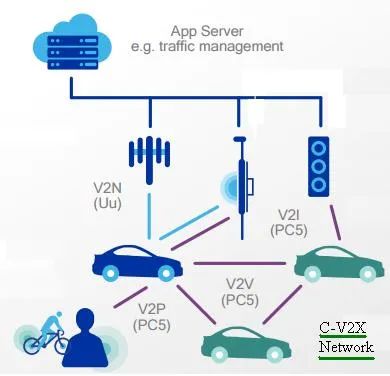
Explore C-V2X (Cellular Vehicle to Everything) in 5G, covering V2V, V2P, V2I, and V2N for autonomous driving and enhanced safety.
Explore 5 key advantages and disadvantages of Cellular Vehicle to Everything (C-V2X) technology within the context of 5G New Radio (NR) for autonomous vehicles, covering benefits and drawbacks.
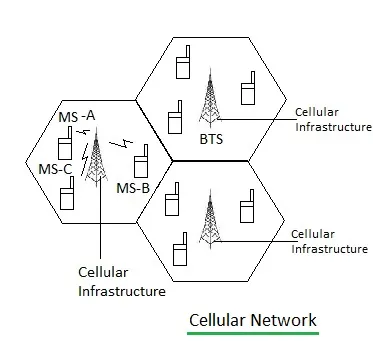
Explore advantages and disadvantages of Cell-Free Massive MIMO architecture, detailing its benefits such as macro diversity gain and drawbacks like hardware cost.
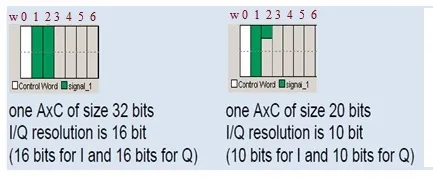
Learn about CPRI AxC (Antenna Carrier), its role in transmitting I/Q data, and how its container size relates to the I/Q sample length in CPRI.
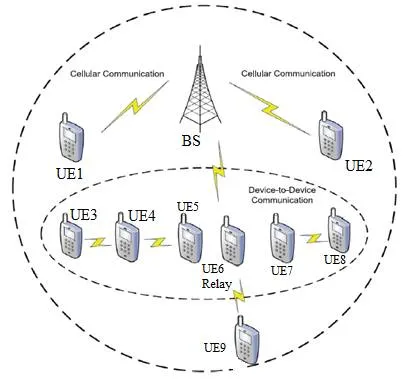
Explore advantages and disadvantages of Device-to-Device (D2D) communication in LTE and 5G NR, including latency, coverage, and security considerations.
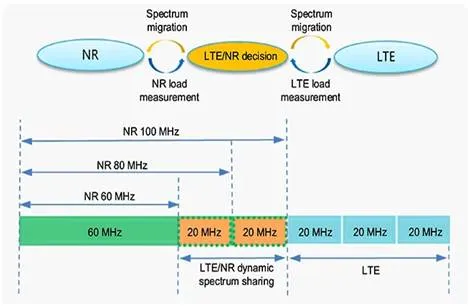
Explore Dynamic Spectrum Sharing (DSS) in 5G NR and 4G LTE networks, comparing it to static allocation for efficient spectrum use.
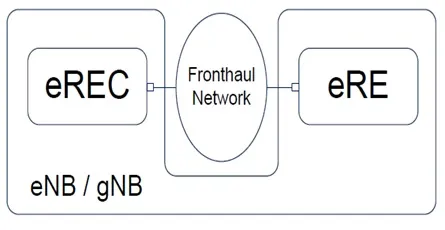
Explore advantages and disadvantages of the eCPRI interface in 5G NR, including reduced bandwidth, simplified troubleshooting, and the need for high-capacity fronthaul.
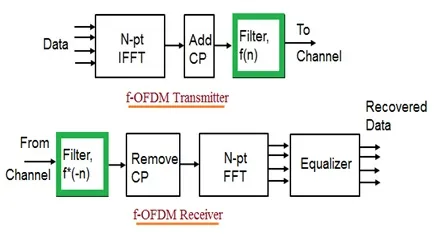
Explore advantages and disadvantages of f-OFDM (Filtered OFDM), a variation of conventional OFDM, in this comprehensive guide.
Explore the benefits and drawbacks of using Gallium Nitride (GaN) in 5G technology, covering its performance advantages and cost considerations.
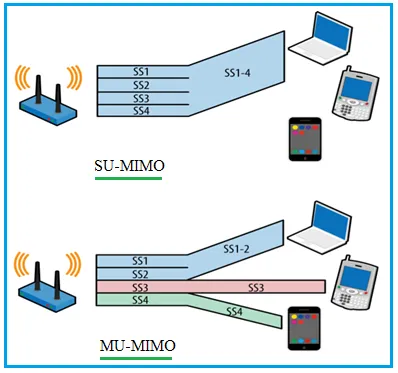
Explore the benefits and drawbacks of Massive MIMO compared to traditional MIMO technology, covering spectral efficiency, cost, complexity, and more.
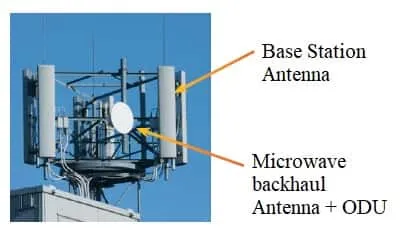
Explore microwave backhaul technology, its advantages for cellular connectivity, and its role in 4G LTE and 5G NR networks.
Explore the pros and cons of millimeter wave (mmWave) technology, including high data rates and blockage susceptibility, for 5G and other wireless applications.
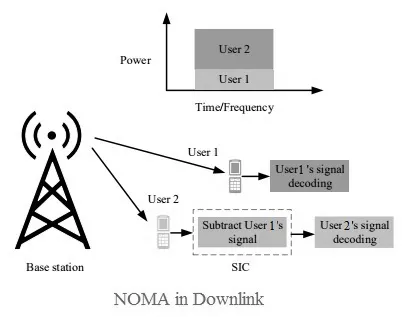
Explore the benefits and drawbacks of Non-Orthogonal Multiple Access (NOMA) in 5G networks. Learn about spectral efficiency, receiver complexity, and channel gain requirements.
Advertisement