
10 Network Security Interview Questions and Answers
Prepare for network security job interviews with these 10 common questions and answers. Covering firewalls, encryption, MFA, VPNs, and more.
Advertisement
Trace every article connected to this tag across guides, explainers, and practical RF topics. This view is especially useful when the same concept spans multiple categories.
Articles
30
Showing
1-25
Pages
1/2
Where this tag appears most
Open the categories where this topic shows up most often.
Advertisement
Tagged Articles
Showing 1-25 of 30 articles tagged with Network Security.
Prepare for network security job interviews with these 10 common questions and answers. Covering firewalls, encryption, MFA, VPNs, and more.
Ace your networking interview with these 10 key questions on network theory, design, protocols, security, and management. Detailed answers included.
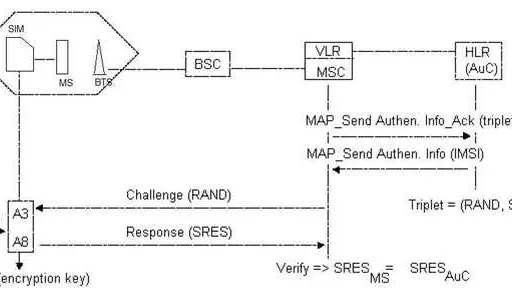
Explore 2G GSM security mechanisms, including authentication, key agreement, message flow, and ciphering algorithms like A5/1, A5/2, and A5/3, ensuring secure mobile communications.
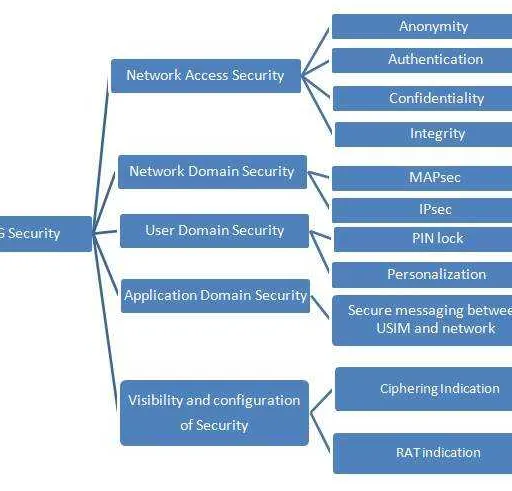
Explore the security mechanisms in UMTS (3G) networks, focusing on network access, authentication, and key differences from GSM security.
Explore the key differences between active and passive network security systems in embedded systems, including their advantages, disadvantages, and applications.
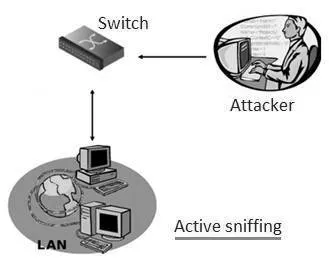
Explore the core differences between active and passive network sniffing, including techniques, environments, and examples.
Explore the differences between application gateways and circuit level gateways, focusing on security, implementation, packet handling, and use cases.
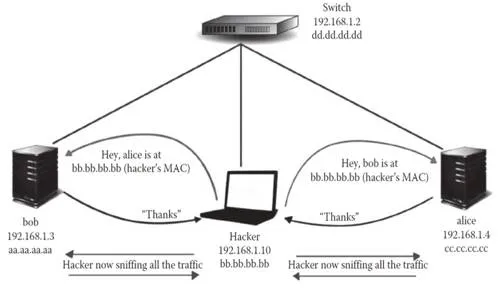
Understand ARP attacks like MAC flooding and ARP spoofing (poisoning), how they work, and prevention techniques to protect your network.
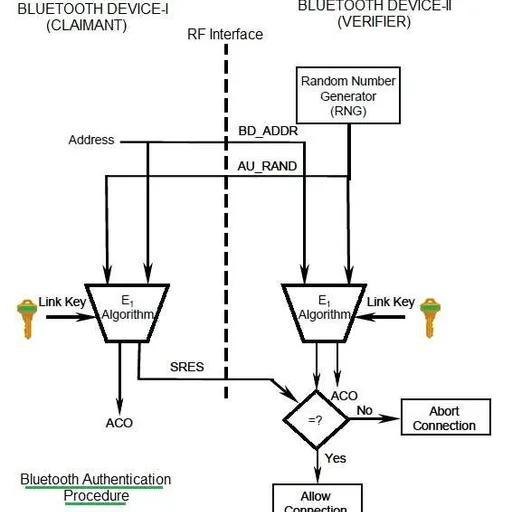
Explore Bluetooth network security, covering link keys, pairing processes, authentication methods, and authorization protocols to safeguard wireless connections.
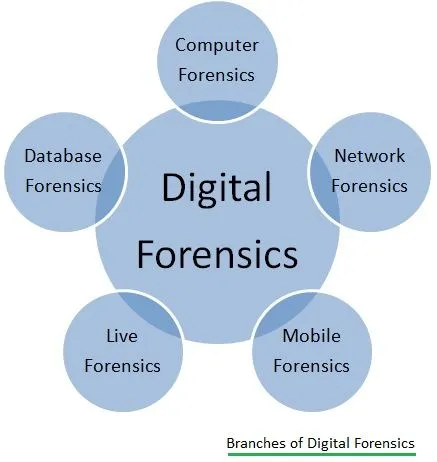
Explore the world of digital forensics, from evidence acquisition and analysis to reporting. Learn about its specialized branches like computer, network, and mobile forensics.
Explore firewall fundamentals, including types (packet filters, application gateways, proxy servers), TCP/IP, and popular software/hardware options to protect your network.
Explore the essential distinctions between firewalls and routers in network infrastructure, their roles, and how they contribute to network security and efficiency.
Explore the distinctions between FTPS and SFTP protocols, including security, port usage, encryption, and compatibility.
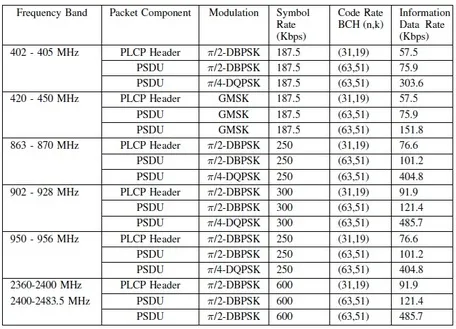
Explore Wireless Body Area Networks (WBANs) based on the IEEE 802.15.6 standard. Learn about frequency, frame structure, PHY/MAC layers, and security.
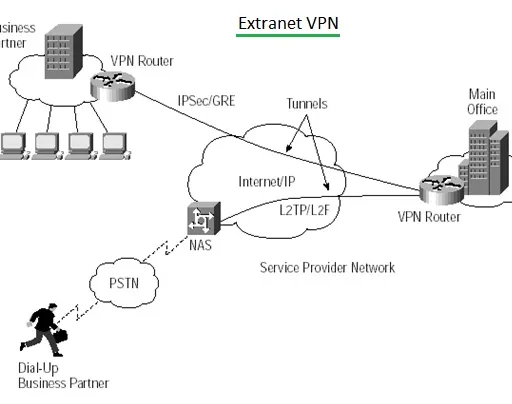
Understand the key differences between Intranet and Extranet VPNs, including scope, access, users, and connectivity.
A comparative analysis of IPsec, L2TP, and PPTP, highlighting differences in security, OSI layer, encryption, and use cases.
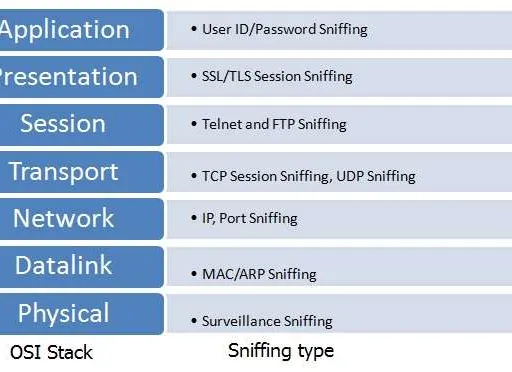
Learn the fundamentals of network security, including types of security, attack sources, network attack types, and mitigation methods to protect your network.
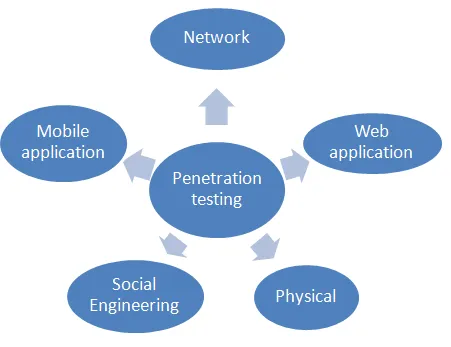
Explore different penetration testing types like network, web app, mobile app, and their categories: black box, white box, gray box. Learn how they help identify security vulnerabilities.
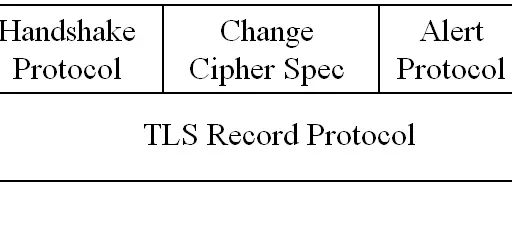
Explore the key differences between TLS (Transport Layer Security) and SSL (Secure Sockets Layer) encryption protocols, their evolution, and versions.
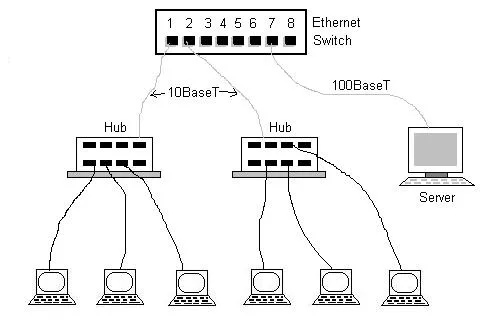
Explore 5 key advantages and disadvantages of network switches.
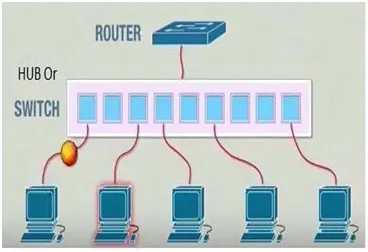
Explore the pros and cons of Local Area Networks (LANs), including cost-effectiveness, speed, security risks, and coverage limitations. Learn if a LAN suits your needs.
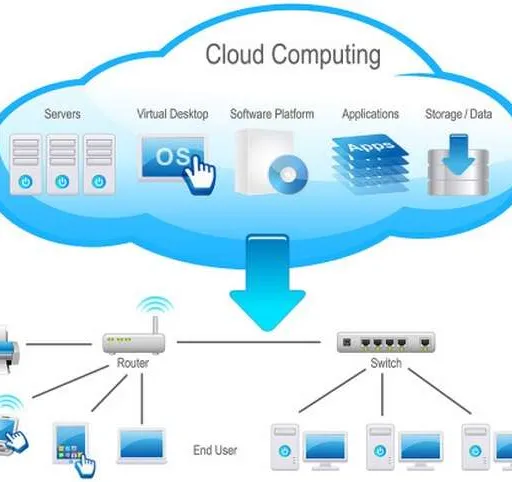
Explore 10 key advantages and disadvantages of cloud security, including benefits like scalability, cost efficiency and drawbacks like data breaches and vendor dependency.
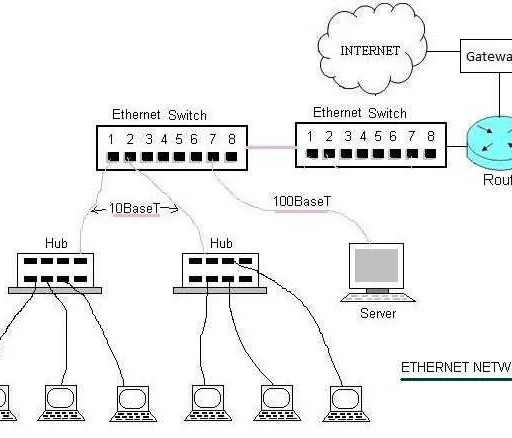
Explore advantages and disadvantages of Ethernet technology, covering reliability, speed, security, mobility, and cost-effectiveness for network solutions.
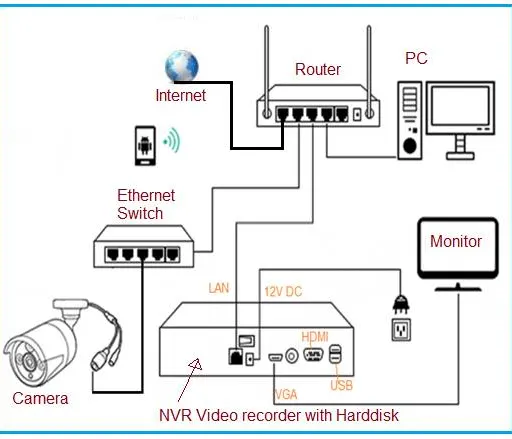
Explore the benefits and drawbacks of IP CCTV cameras, covering scalability, integration, cost, network requirements, and security vulnerabilities.
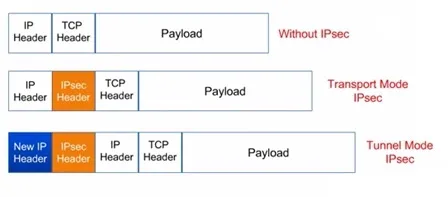
Explore the pros and cons of IPsec, a suite of protocols securing IP communications through authentication, integrity, and encryption. Learn about its benefits and drawbacks in VPNs and network security.
Advertisement