
10 Instrumentation and Control Interview Questions and Answers
Prepare for Instrumentation and Control interviews with frequently asked 10 questions about industrial processes, control systems, sensors, and cybersecurity.
Advertisement
Trace every article connected to this tag across guides, explainers, and practical RF topics. This view is especially useful when the same concept spans multiple categories.
Articles
14
Showing
1-14
Pages
1/1
Where this tag appears most
Open the categories where this topic shows up most often.
Advertisement
Tagged Articles
Showing 1-14 of 14 articles tagged with Instrumentation.
Prepare for Instrumentation and Control interviews with frequently asked 10 questions about industrial processes, control systems, sensors, and cybersecurity.
Ace your test and measurement job interview with these 10 key questions and answers covering instruments, accuracy, and applications.
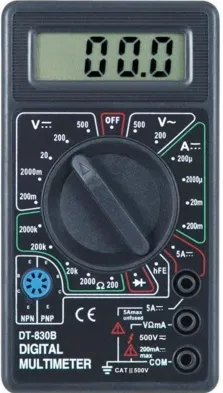
Explore the distinctions between analog and digital multimeters, focusing on their measurement methods, accuracy, input resistance, and frequency range.
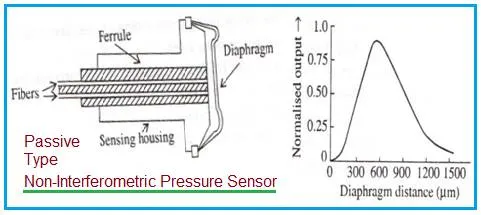
Explore fiber optic pressure sensor types, working principles, advantages like EM immunity, and disadvantages like fragility.
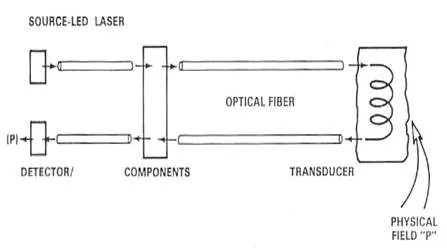
Explore fiber optic sensors: their working principles, types (intrinsic, extrinsic, hybrid), and diverse applications in mechanical, chemical, and structural health monitoring.
A basic comparison of GPIB (IEEE-488) and serial (RS232, RS485) interfaces, highlighting key differences in speed, distance, and device support.
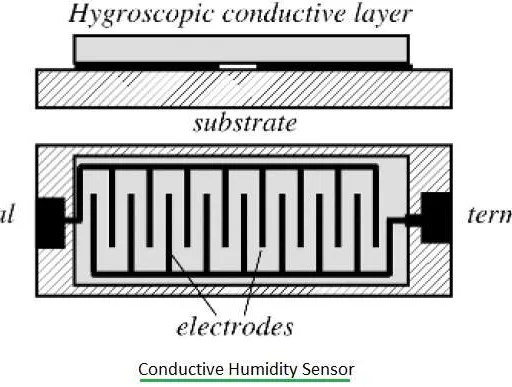
Explore different types of humidity sensors, including capacitive, conductive, thermal conductivity, optical, and oscillating hygrometers. Understand their working principles.
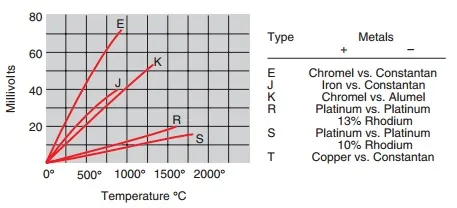
Explore the key differences between J, K, T, N, E, B, R, and S thermocouple types. Understand their materials, temperature ranges, and accuracy.
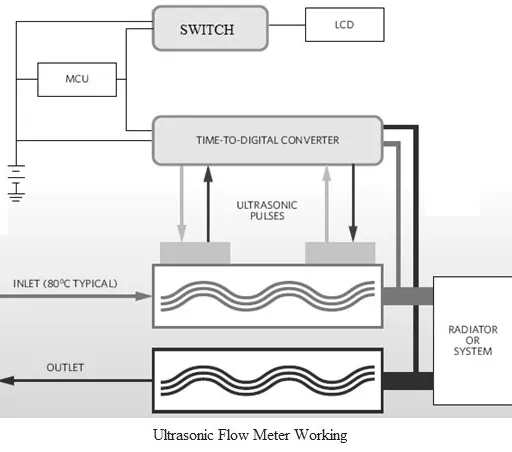
Explore ultrasonic flow meters: how they measure fluid flow using sound waves, their types (transit time & Doppler), components, pros, cons, and applications.
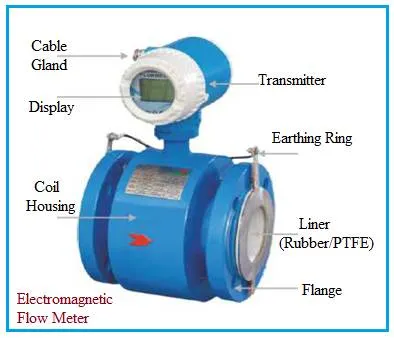
Explore 5 key advantages and disadvantages of Electromagnetic Flow Meter including its types and working principle.
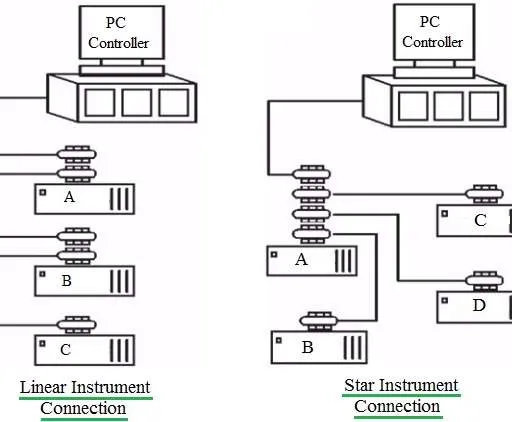
Explore the pros and cons of GPIB (General Purpose Interface Bus), covering its features, benefits, limitations, and future prospects.
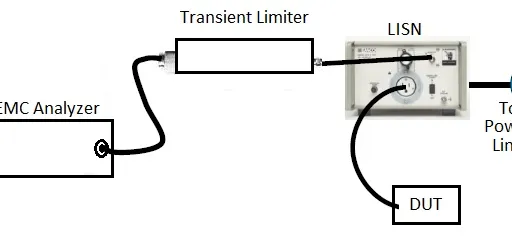
Learn about transient limiters, their function in blocking high-frequency transients, and key specifications, including those for the Keysight 11947A model.
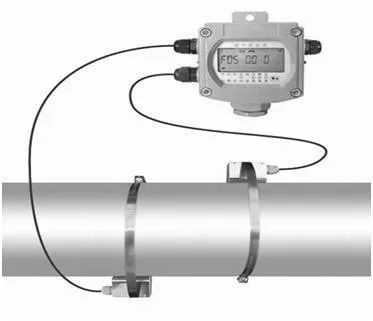
Explore the pros and cons of ultrasonic water meters, covering functionality, types (transit time & doppler), benefits, drawbacks, and comparisons.
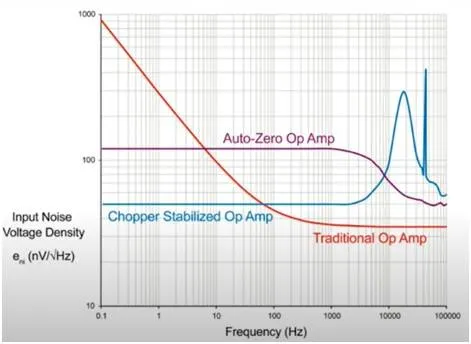
Explore the benefits and drawbacks of zero-drift operational amplifiers (Op Amps), including their architectures, advantages, and disadvantages.
Advertisement