

4-Bit Binary to Gray Counter Converter in Verilog
Verilog implementation of a 4-bit binary to Gray code counter converter with symbol, truth table, and simulation results.
Advertisement
Trace every article connected to this tag across guides, explainers, and practical RF topics. This view is especially useful when the same concept spans multiple categories.
Articles
35
Showing
1-25
Pages
1/2
Where this tag appears most
Open the categories where this topic shows up most often.
Advertisement
Tagged Articles
Showing 1-25 of 35 articles tagged with Converter.
Verilog implementation of a 4-bit binary to Gray code counter converter with symbol, truth table, and simulation results.
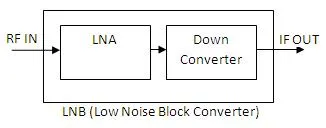
Explore the differences between BUC (Block Up Converter) and LNB (Low Noise Block Converter) used in VSAT systems for satellite communication.
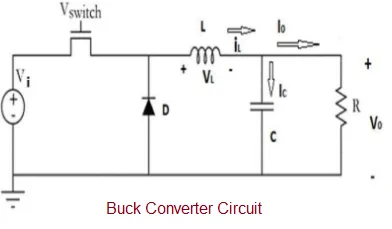
Compare buck and boost DC-to-DC converters, highlighting voltage and current behavior. Learn how these switching regulators step down or step up voltage.
Learn how CAN to Ethernet Gateway works including its applications and explore popular manufacturers.
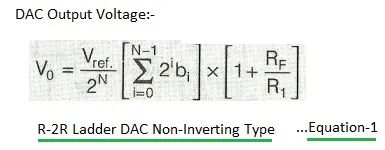
Explore the differences between weighted resistor and R-2R ladder Digital-to-Analog Converters (DACs), including block diagrams, advantages, and disadvantages.
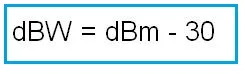
Convert between dBm and dBW power units with this simple online calculator. Understand the conversion formula and see example calculations.
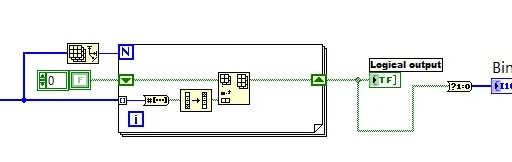
Download LabVIEW source code for a decimal to binary converter VI. Convert decimal vectors into binary vectors using this VI.
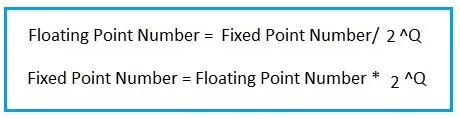
Convert between floating-point and fixed-point numbers using this tool. See example calculations and the conversion formula.
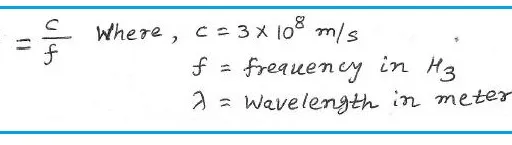
Convert between frequency and wavelength using our online converter. Calculate wavelength from frequency or frequency from wavelength.
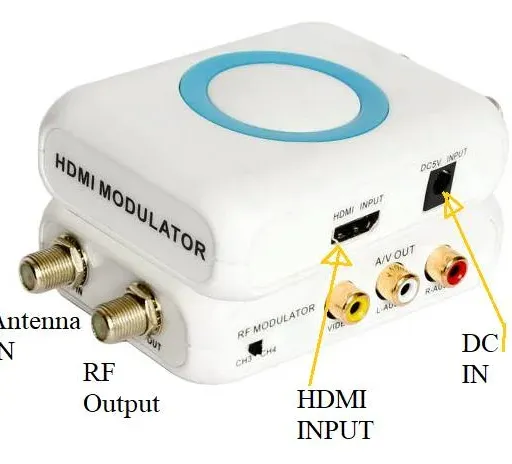
Learn about HDMI to RF conversion, its necessity for connecting modern devices to older TVs, and considerations for choosing the right converter.
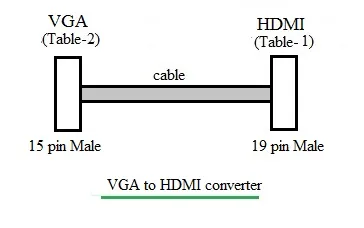
Understand the difference between HDMI to VGA and VGA to HDMI converters. Learn when and why to use each type to connect devices with different display interfaces.
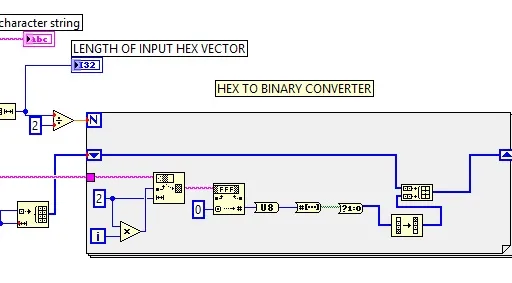
LabVIEW VI source code for converting a hex vector to a binary vector. Download the VI and explore the block diagram and front panel.
Overview of various interface types (RS232, RS485, RS422, SPI, CAN, DigRF, USB) and the role of interface converters.
Explore the distinctions between inverters and converters in power electronics, including their functions, types, and applications in converting electrical energy.
Convert between common power units like dBm, dBµW, dBµV, Watt, and Milliwatt. Useful for RF system design and analysis when dealing with different specifications.
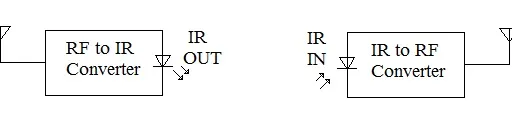
Explore RF to IR converters: how they bridge RF and IR signals for seamless communication in diverse applications like home automation and industrial systems.
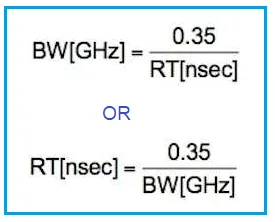
Convert between rise time and bandwidth using our online calculator. Understand the relationship and formulas for accurate signal analysis.
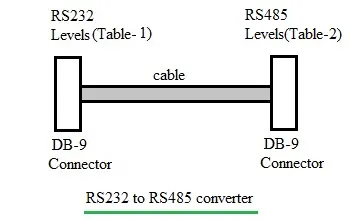
Understand RS232 to RS485 and RS485 to RS232 converters, their functions, and pin configurations. Learn how they convert signal levels for different communication standards.
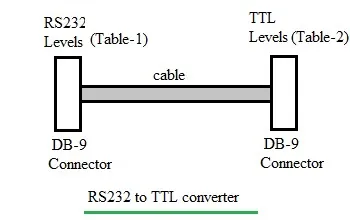
Understand the differences between RS232 and TTL converters, including pin descriptions and logic level differences. Learn about related interface types.
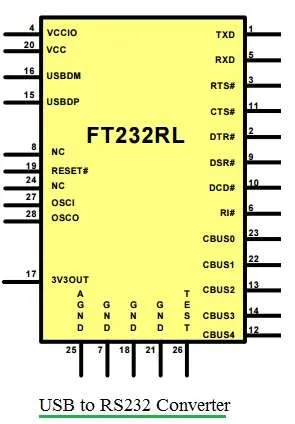
Learn about RS232 to USB and USB to RS232 converters, their functionalities, pin descriptions, and common applications.
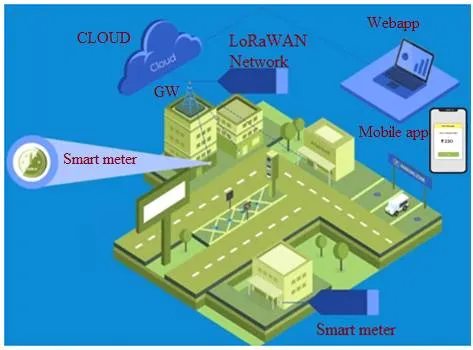
Understand RS485 Modbus to Lorawan converter working and explore its advantages and disadvantages.List out popular manufacturers.
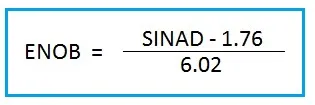
Convert between SINAD (Signal-to-Noise and Distortion ratio) and ENOB (Effective Number of Bits) using these converters and calculators.
Explore the key differences between single-phase and three-phase cycloconverters, focusing on their input/output configurations, component count, applications, and overall complexity.
Learn how SPI to CAN adapter works including its applications and explore popular manufacturers.
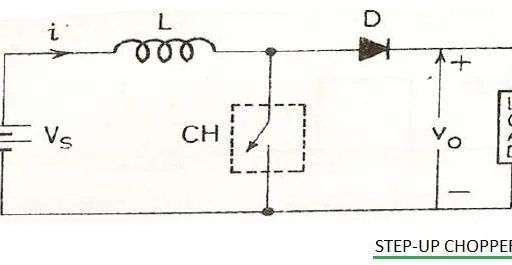
Explore the distinctions between step-up (boost) and step-down (buck) choppers. Learn how each circuit alters DC voltage using rapid switching, either increasing or decreasing the voltage.
Advertisement