
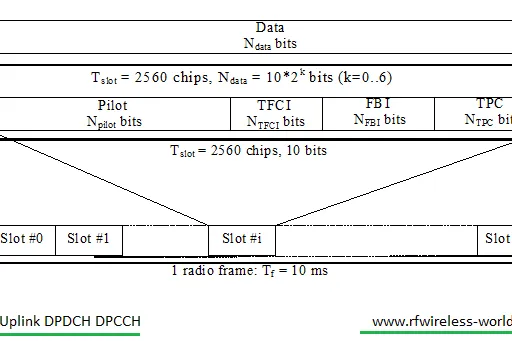
WCDMA DPDCH: Uplink Dedicated Physical Data Channel Explained
Learn about the WCDMA Uplink Dedicated Physical Data Channel (DPDCH), its function, and its relationship with DPCCH in UMTS systems.
Advertisement
Explore articles, explainers, and practical references focused on Wlan within Terminology.
Articles
129
Showing
51-75
Pages
3/6
More in Terminology
Jump across related topic clusters without losing your place.
Advertisement
Article Index
Showing 51-75 of 129 articles in this archive.
Learn about the WCDMA Uplink Dedicated Physical Data Channel (DPDCH), its function, and its relationship with DPCCH in UMTS systems.
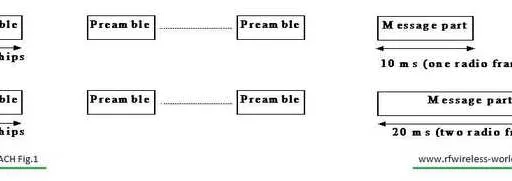
Explore the WCDMA PRACH channel, used by UEs for connection requests. Learn about random access bursts, message structure, and spreading.
Learn about different WCDMA System Information Blocks (SIBs), their functions, and the information they carry in UMTS networks. Essential for UE operation.
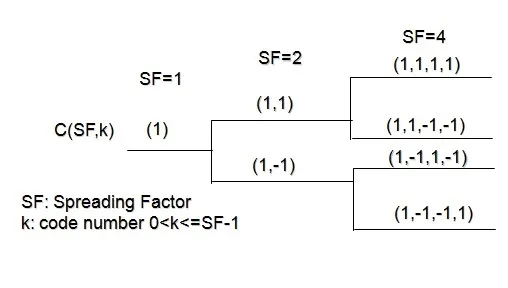
Understand WCDMA/UMTS OVSF codes for channel separation, focusing on their properties and usage in minimizing interference and enabling variable data rates.
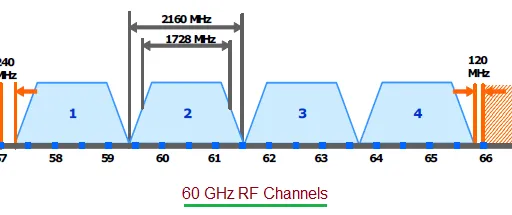
Explore advantages and disadvantages of 60GHz WiFi technology, including its high data rates, low latency, and limitations in range and penetration.
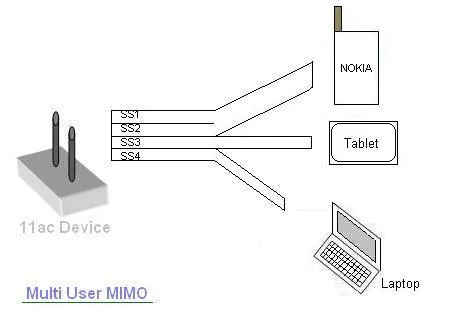
Explore 5 key advantages and disadvantages of the 802.11ac WiFi standard, including its key features, benefits like gigabit speeds and drawbacks like lack of 2.4 GHz support.
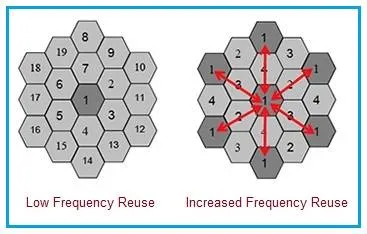
Explore BSS Coloring in 802.11ax WLAN: how it mitigates interference and enhances spatial reuse, improving network performance in dense Wi-Fi deployments.
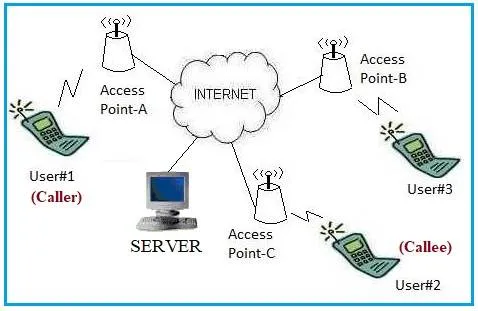
Explore the pros and cons of Jio WiFi Calling (VoWiFi), a technology that enables voice calls over WiFi networks, improving call quality and overcoming signal issues.
Discover the ML-MD-MB topology (Multi-Link, Multi-Device, Multi-Band). Learn how Wi-Fi 7 and 6G use this architecture for ultra-low latency & high capacity.
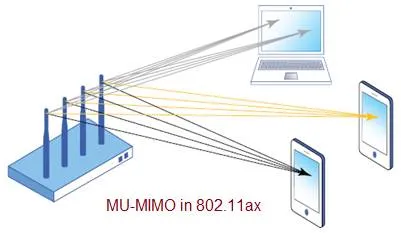
Explore the benefits and drawbacks of MU-MIMO technology, including increased capacity, simultaneous user access, and higher data rates, alongside complexities and costs.
Learn about MU-MIMO in WLAN 802.11ax. Discover how it enhances network efficiency by enabling simultaneous data transmission to multiple devices.
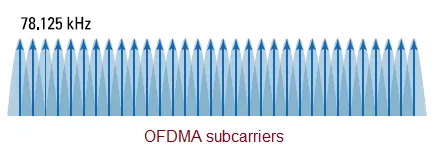
Discover MU-OFDMA, a key feature in WiFi 6 (802.11ax), that enhances network efficiency and reduces latency by enabling simultaneous data transmission for multiple users.
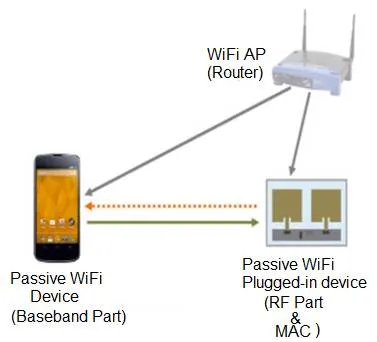
Explore 5 key advantages and disadvantages of Passive WiFi technology, including power consumption, range, design complexity, and compatibility.
Understand RF sensing basics and explore advantages and disadvantages of RF sensing technique.
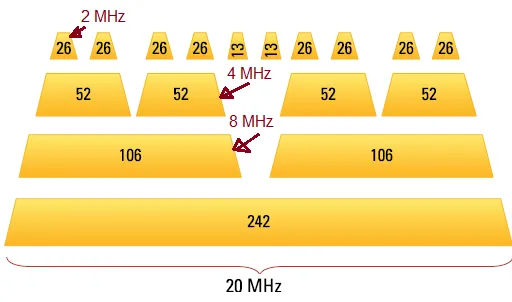
Explore 802.11ax Resource Units (RUs) like RU-26, RU-52, RU-106, and RU-242. Learn how OFDMA improves spectrum efficiency and supports multiple clients in WLAN.
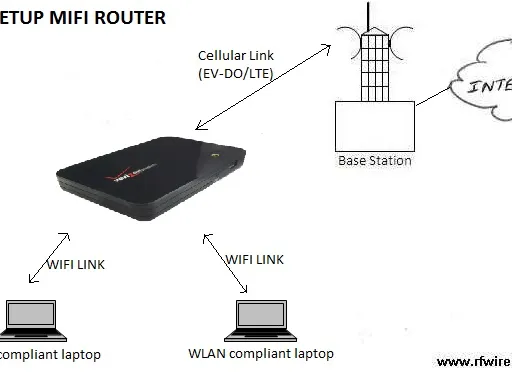
Learn the fundamentals of Smart WiFi networks, including key components like Access Points (AP) and Stations (STA), and the evolution of WLAN standards.
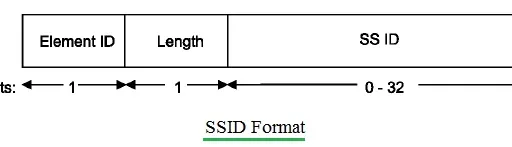
Explore the essentials of SSID in WiFi networks. Learn what it is, its function, message format, and significance in secure and efficient wireless connections.
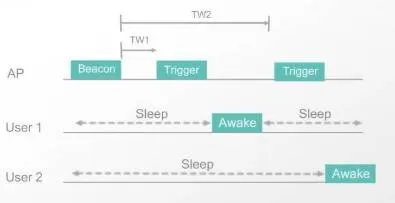
Explore Target Wake Time (TWT) in WiFi 6: how it enhances power efficiency, reduces network congestion, and optimizes performance for connected devices, extending battery life.
Explore the differences between Gi-Fi and WiFi technologies, focusing on speed, power consumption, cost, security, and applications like video transfer and wireless PANs.
Explore the benefits and drawbacks of Voice over WiFi (VoWiFi), including cost savings, network offloading, and limitations like lack of E-911.
Explore VoWiFi technology, its advantages, and key considerations for efficient network implementation. Learn about the components and factors crucial for seamless voice communication over WLAN.
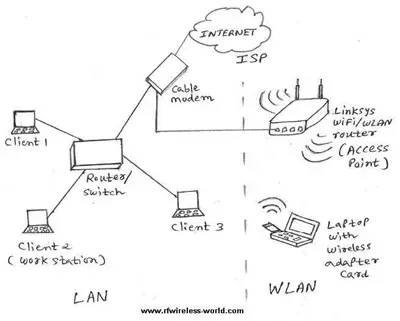
Explore 5 key advantages and disadvantages of WiFi technology, covering its benefits such as accessibility, ease of use, data rates and its drawbacks such as security concerns and range limitations.
Explanation of the term 'Wi-Fi -1', its components, and usage within WLAN. Covers basics of Wi-Fi technology and related RF concepts.
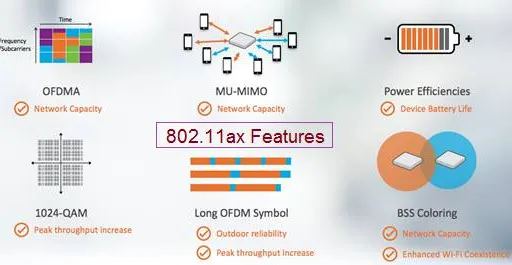
Explore 5 key advantages and disadvantages of Wi-Fi 6 (IEEE 802.11ax), including its benefits like increased data rates, improved efficiency and potential drawbacks such as frame timing and tight EVM requirements.
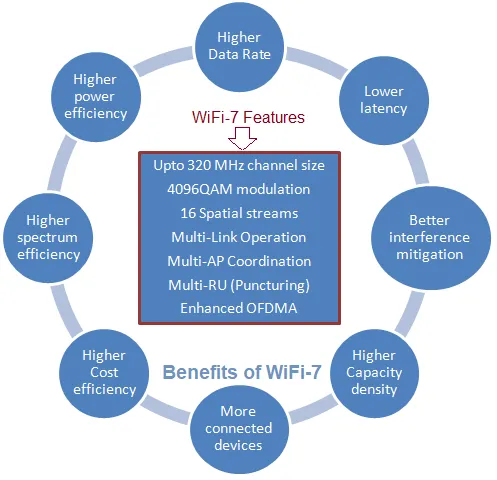
Explore the pros and cons of Wi-Fi 7 (IEEE 802.11be), including its high speeds, reduced latency, increased complexity, and power consumption.
Advertisement