
What is Ultrasonic Cleaner: Advantages and Disadvantages
Advertisement
An ultrasonic cleaner is a cleaning device that uses high-frequency sound waves to remove contaminants from delicate objects through cavitation. Its advantages include thorough, non-contact cleaning and reduced chemical usage, whereas its disadvantages include limited effectiveness for certain materials and higher equipment costs.
How does Ultrasonic cleaning work?
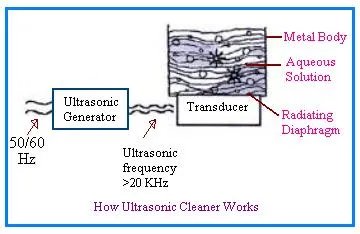
Ultrasonic cleaning leverages the creation of bubbles in liquid agents using ultrasonic frequency waves, typically ranging from 20 kHz to 200 kHz. The implosion of these bubbles generates mechanical energy in the form of shock waves.
An ultrasonic cleaner consists of two primary components: a generator and a transducer. The generator converts standard electrical energy (50/60 Hz) into the desired ultrasonic frequency. The transducer then transforms this electrical energy into mechanical vibrations.
Ultrasonic cleaning is commonly used for items like metals, lenses, jewelry, dental tools, watches, and screws. It effectively removes dirt, dust, oil, grease, grime, and other contaminants from these objects.
Benefits or Advantages of Ultrasonic Cleaners
- Faster Cleaning Times: Components can be cleaned much quicker compared to traditional methods.
- Improved Efficiency: Ultrasonic cleaning is more effective at removing contaminants than many other methods.
- Increased Component Lifespan: Cleaning with this method can extend the life of components, reducing wear and friction on finished surfaces.
- Reduced Rejection Rates: Fewer parts are rejected, leading to lower material costs.
- Superior Reach: The high energy levels allow the cleaner to reach into small crevices and remove surface soils effectively.
- Lower Solvent Costs: Solvent expenses are significantly reduced.
- Environmentally Friendly: This method is environmentally conscious, reducing emissions and bio-degradable waste.
- Water-Based Cleaning: Water is often the best detergent, being non-toxic, non-flammable, and environmentally friendly. Cavitation energy is also more intense in water-based solutions compared to organic solvents.
Drawbacks or Disadvantages of Ultrasonic Cleaners
- Transducer Sensitivity: The efficiency of the transducer directly impacts cleaning time and overall effectiveness. It’s advisable to invest in a reputable brand.
- Influencing Factors: Factors like heat, power, frequency, detergent type, and cleaning time all play a crucial role in the overall cleaning process.
- Temperature Sensitivity: The electronic components are susceptible to damage from excessive temperatures. It’s important to maintain optimal temperature levels as recommended by the manufacturer.
- Temperature Control: If the temperature reaches the boiling point of the solution, the liquid will boil in negative pressure areas, reducing or eliminating cavitation.
- Requires Skilled Operation: Ultrasonic cleaning requires a skilled operator. It’s essential to thoroughly read the user manual before starting the cleaning process.
Summary
Ultrasonic cleaners provide efficient and damage free cleaning for precision components, medical instruments, jewelry and industrial parts while reducing manual cleaning effort.
Continue Learning Medical Ultrasound & Imaging
- Ultrasound : Key Applications & Benefits
- Ultrasound: Advantages and Disadvantages
- Ultrasound vs X-Ray Comparison
- Ultrasonic Diathermy: Advantages & Disadvantages
- Ultrasonic Sensor Construction and Working Principle
- Ultrasonic vs Infrared Sensors: Understanding the Differences