
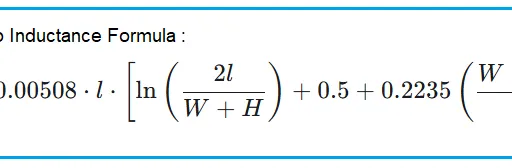
Microstrip Inductance Calculator | RF Design
Calculate inductance of microstrip transmission lines for RF and microwave circuit design.
Advertisement
Our RF and Microwave Calculators page features powerful online tools for high frequency circuit design and analysis. These calculators assist with impedance matching, transmission lines, waveguides, power calculations, and frequency conversions, helping professionals and students accurately design and troubleshoot RF and microwave systems.
Articles
112
Showing
51-75
Pages
3/5
More in Calculators
Jump across related topic clusters without losing your place.
Advertisement
Article Index
Showing 51-75 of 112 articles in this archive.
Calculate inductance of microstrip transmission lines for RF and microwave circuit design.
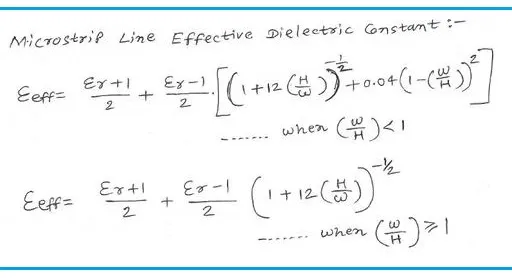
Calculate the impedance of a microstrip line using this online calculator. Explore microstrip line configurations and understand effective permittivity.
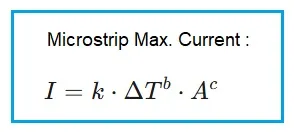
Calculate the maximum current a microstrip trace can safely carry based on PCB parameters.
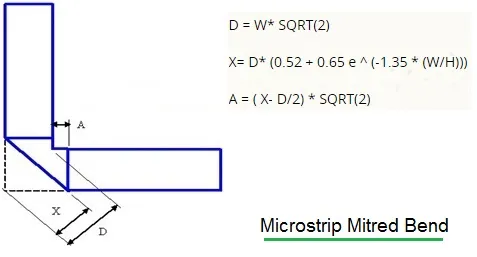
Calculate the dimensions for a microstrip mitred bend using this online calculator. Includes formula and example.
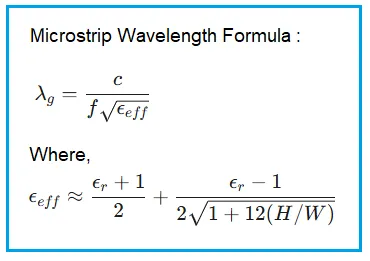
Calculate guided wavelength for microstrip lines based on frequency and substrate parameters.
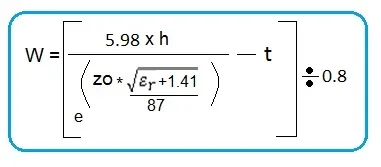
Calculate the width of a microstrip line for a given impedance and substrate parameters using this calculator and explore the underlying formula.
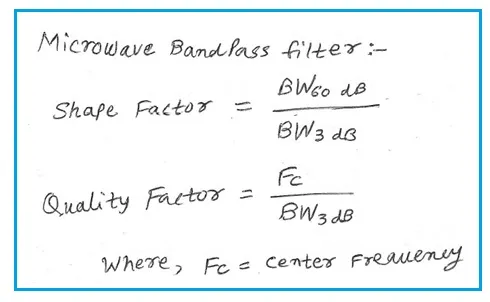
Calculate the shape factor and quality factor of a microwave band pass filter (BPF) using this calculator. Enter the center frequency and bandwidth values to get results.
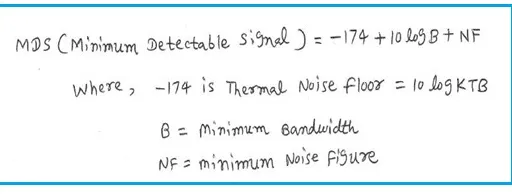
Calculate the Minimum Detectable Signal (MDS) based on bandwidth and noise figure. Determine the sensitivity of your RF receiver.
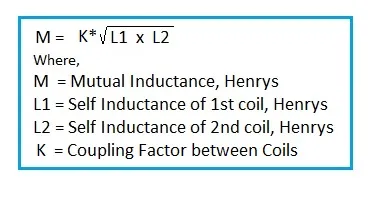
Calculate mutual inductance with our tool and learn about the formula used in coils and conductors for efficient energy transfer and circuit design.
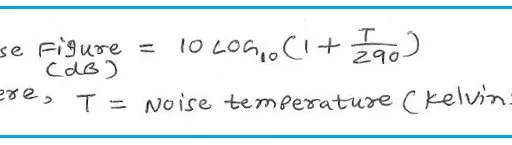
Convert between noise temperature and noise figure, key metrics in RF engineering for assessing signal degradation.
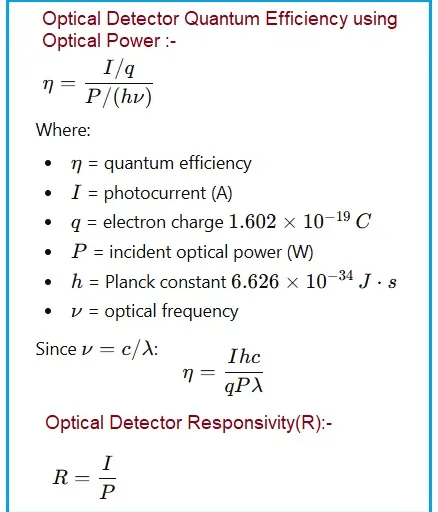
Calculate optical detector quantum efficiency and responsivity using wavelength, power and current. Includes formulas and photodiode examples.
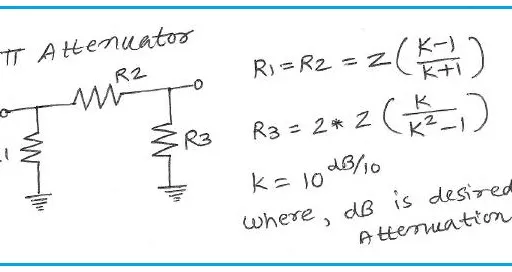
Calculate resistor values for Pi attenuators used in RF circuits with our online calculator. Learn about the formula and its application for impedance matching.
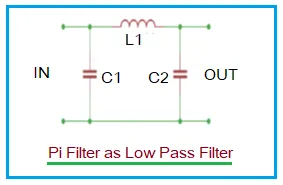
Calculate inductance (L) and capacitance (C) values for a Pi filter, functioning as an LC low pass filter, based on cutoff frequency (fc) and impedance (Z0).
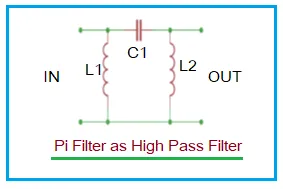
Design a Pi LC high pass filter for impedance matching using this calculator. Input cutoff frequency and impedance to find inductance and capacitance.
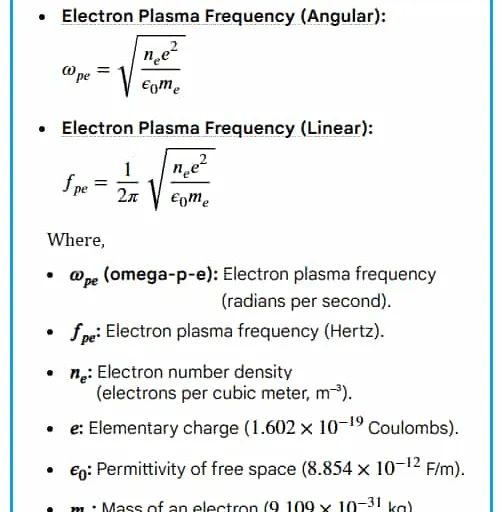
Explore plasma frequency calculator online and learn its formula including number of ionized particles, charge and mass of electrons and permittivity.
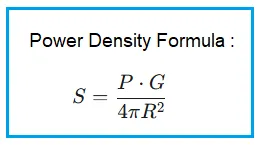
Calculate power density from power and area. Ideal for RF, antenna, and electromagnetic field analysis.
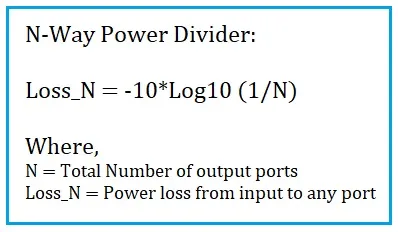
Calculate the path loss in dB for a power divider based on the number of output ports. Useful for RF and microwave circuit design.
Convert between common power units like dBm, dBµW, dBµV, Watt, and Milliwatt. Useful for RF system design and analysis when dealing with different specifications.
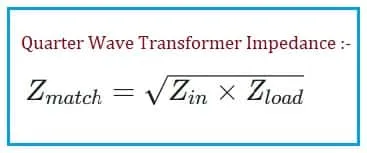
Calculate the required characteristic impedance for a quarter wave transformer to match two different transmission line impedances perfectly.
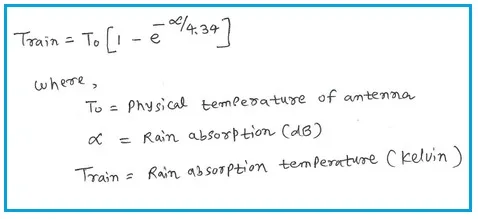
Calculate the rain absorption temperature based on rain absorption (dB) and physical antenna temperature. Useful for RF system design and analysis.
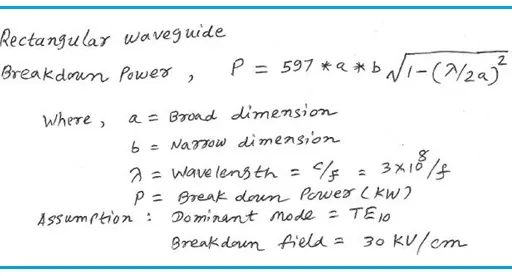
Calculate the breakdown power of rectangular waveguides using our calculator and formula. Essential for designing high-power RF and microwave systems.
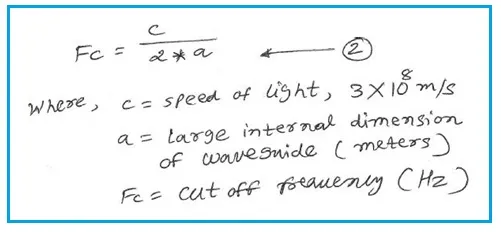
Calculate the cutoff frequency of rectangular waveguides using our calculators and formulas for both generic and TE10 modes. Optimize your RF system design.
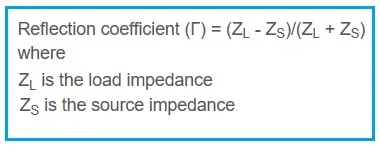
Explore Reflection coefficient calculator which calculates reflected voltage and reflection coefficient and learn Reflection coefficient formula.
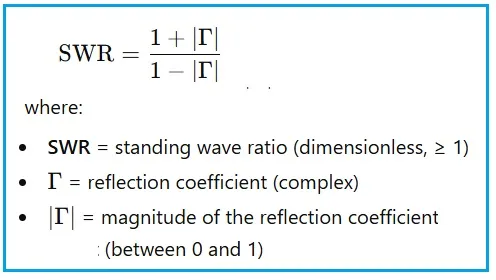
Convert between Reflection Coefficient and SWR (Standing Wave Ratio) with this calculator. See the relationship between Reflection Coefficient, Return Loss, and VSWR.
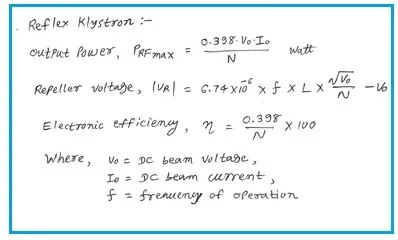
Explore Reflex Klystron Calculator and formula which calculates output power, repeller voltage and efficiency using frequency, beam voltage, current, mode and spacing.
Advertisement