
LTE Smartphone Manufacturers : Selection Guide
Advertisement
LTE smartphone manufacturers produce mobile devices that support high-speed LTE connectivity for voice, video, internet access, and cloud based applications. Selection criteria include processor performance, modem capabilities, battery life, display quality, camera features, software support, and compatibility with regional LTE frequency bands. The popular manufacturers include SONY, Samsung, Nokia, Motorola, LG, HTC, Huawei, and more.
Generic Features
When purchasing a smartphone for use on LTE/4G networks, consider the following features:
- Network Support: LTE/WiMAX
- RF Frequency Band
- Camera
- Processor: Type and speed
- RAM
- Operating System
- External Memory Support
- Interfaces: Wi-Fi, USB, etc.
- Video Support
- Touch Screen or Normal Screen
Popular Manufacturers
Here are some of the popular LTE smartphone manufacturers:
HTC
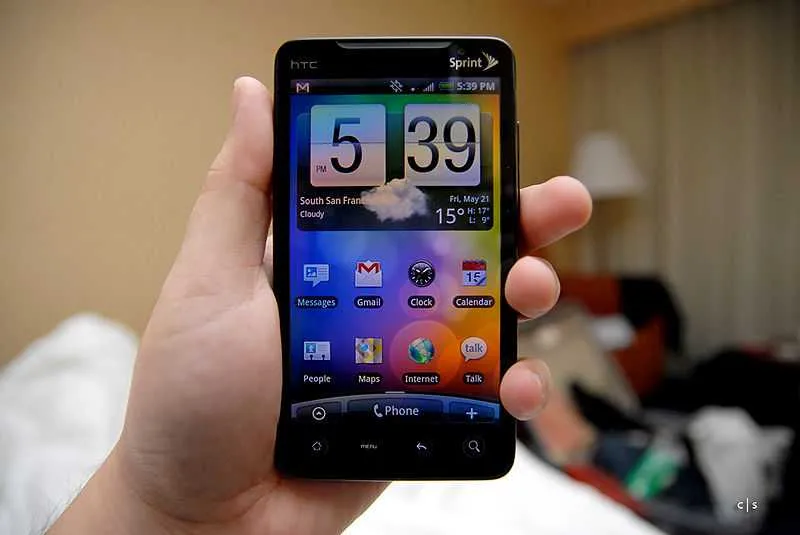 Image Source: wikimedia commons
- Model: HTC EVO 4G LTE smartphone
- Web: www.htc.com
Huawei
- Model: Huawei Activa
- Web: www.huaweideviceusa.com
Samsung
- Model: Galaxy SII LTE smartphone
- Web: www.samsung.com
MOTOROLA
- Model: Droid Razr LTE phone
- Web: www.motorola.com
LG
- Model: LG Optimus LTE P930
- Web: www.lg.com
SONY
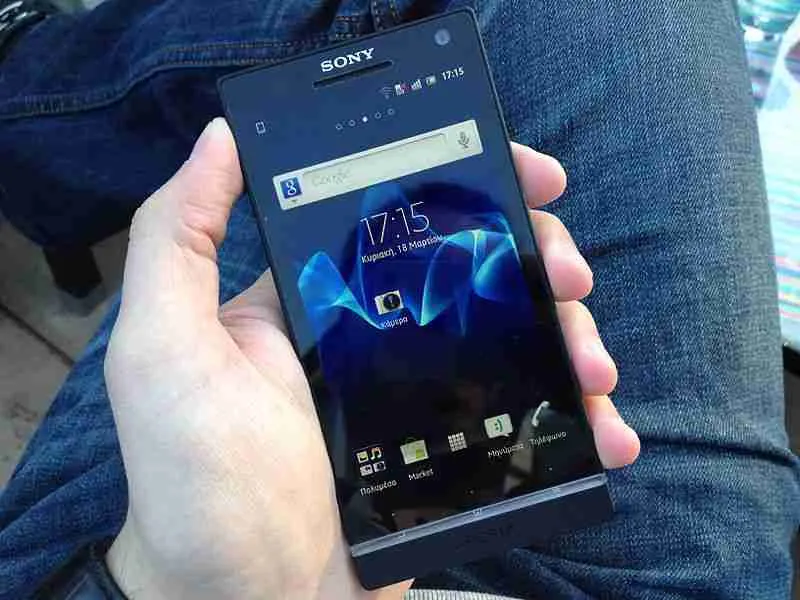 Image Source: wikimedia commons
- Model: Xperia™ ion
- Web: www.sonymobile.com
NOKIA
- Model: Nokia Lumia 900, 4.3”
- Web: www.nokia.com
Summary
LTE smartphones provide high-speed mobile broadband connectivity and advanced communication features. Buyers should consider network compatibility, processor performance, battery capacity, camera quality, and software ecosystem when selecting LTE smartphones.
Explore More 4G LTE Manufacturers
- LTE A Chipset Manufacturers
- LTE Accelerator Manufacturers
- LTE Base Station Manufacturers
- LTE Certification Test Providers
- LTE Dongle Manufacturers
- LTE Protocol Test Equipment Manufacturers
- LTE Rf Test Equipment Manufacturers
- LTE Router Manufacturers
Continue Learning 4G LTE
- 4G LTE Basics Tutorial
- 4G LTE Architecture: Network Elements and Interfaces
- LTE Channel Types: Logical, Transport and Physical Channels
- LTE Protocol Stack: User Plane vs. Control Plane
- 4G LTE Physical Layer & its modules
- LTE Frequency Bands: FDD, TDD and E-UTRA Bands
- LTE Carrier Aggregation & its benefits
- 4G LTE Network Security
- LTE Cell Search Procedure
- LTE UE Uplink Network Entry : Random Access Procedure
- LTE Paging Procedure Mechanism and Call Flow