
What is Telepresence: 5 Advantages and Disadvantages
Advertisement
Telepresence is an advanced communication technology that creates an immersive virtual environment, allowing users to interact remotely with enhanced audio, video, and collaboration tools. Its advantages include realistic remote communication, improved collaboration, and reduced travel costs, while its disadvantages include expensive equipment, bandwidth requirements, and implementation complexity.
What is a Telepresence System?
In today’s globalized workplace, close interaction is crucial for multinational teams scattered across different regions. Telepresence systems facilitate this interaction using the latest IP-based devices.
Here are the typical components found in a telepresence system:
- Codec
- Large screen monitor
- Microphones and speakers
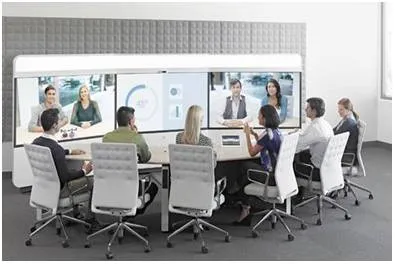 Image Alt: Telepresence system
A conference call is a simple form of virtual telepresence. Audio or video conferencing gives participants a sense of presence, making them feel as if they’re sitting at the same table in the same room.
A complete telepresence system involves dedicated hardware and software linked by sufficient bandwidth to ensure a high throughput of HD audio/video information. A successful system needs IP-based connectivity with enough bandwidth to transmit and receive multimedia data.
Telepresence systems primarily use two protocols:
- SIP: Standardized by the IETF (Internet Engineering Task Force).
- H.323: Standardized by the ITU (International Telecommunication Union).
Example: Cisco CTS-3000
Benefits or Advantages of Telepresence Systems
- Effective Nonverbal Communication: Telepresence enables you to see facial expressions, body language, and hear vocal nuances, leading to richer and more effective communication.
- Enhanced Engagement: By improving visual interaction, telepresence reduces distractions and promotes a more engaging meeting experience.
- Removes Business Bottlenecks: Telepresence helps overcome geographical limitations, allowing for faster decision-making and improved collaboration, thus removing obstacles to business growth.
- Reduced Travel: Telepresence significantly reduces or eliminates the need for physical travel, saving employees valuable time.
- Cost Savings: By reducing travel, companies can save substantially on travel-related expenses.
Drawbacks or Disadvantages of Telepresence Systems
- Bandwidth Requirements: A significant amount of bandwidth is necessary to create a truly immersive experience that mimics physical presence.
- Low Latency is Critical: Extremely low delay over the IP connections between the two telepresence systems is essential for smooth, natural communication.
- Vendor Compatibility Issues: User experience can suffer when telepresence systems from different vendors communicate, even if they use the same protocols. This is often due to variations in implementation.
- High Initial Investment: High-resolution telepresence systems require a considerable initial investment, adding to the company’s expenses.
- Limited Movement: Stationary cameras set up in predetermined rigs can restrict movement, confining participants to the areas covered by the cameras.
Summary
Telepresence enables highly interactive remote communication for business meetings, education, healthcare, and industrial operations by delivering realistic virtual collaboration experiences. Its communication advantages improve productivity and reduce travel expenses, although deployment costs, network infrastructure, and system maintenance influence long-term adoption.