
Single-Phase vs. Three-Phase Power: Key Differences Explained
By RF Wireless Expert Team
Advertisement
This article explains the fundamental differences between single-phase and three-phase electrical power supplies. A three-phase supply is essentially a combination of three single-phase systems.
In a balanced three-phase system, power originates from a 3-phase AC generator. This generator produces three distinct, equal voltages that are 120 degrees out of phase with each other. Let’s compare these two supply types based on various characteristics.
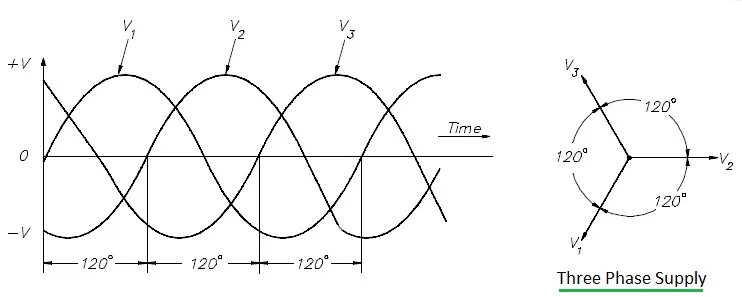
Here’s a breakdown of the main differences:
- Efficiency and Size: Three-phase equipment (motors, transformers, etc.) generally weighs less than single-phase equipment designed for the same power rating. This means three-phase systems tend to be more compact and efficient.
- Voltage Range: Three-phase systems offer a broader range of voltages and can accommodate single-phase loads as well.
- Equipment Size & Weight: Three-phase equipment is generally smaller, weighs less, and is more efficient compared to single-phase equipment of comparable power.
Three-Phase Connection Types
Three-phase supply systems can be connected in two main configurations:
- Y-Connection (Star Connection): In this configuration, the three common ends of each phase are connected at a single common point (the neutral), while the other three ends are connected to the three-phase lines.
- Δ-Connection (Delta Connection): Here, the three phases are connected in series, forming a closed loop.
Power Electronics & Power Management
- Power vs Energy: Understanding the Difference
- Real Power vs Reactive Power vs Apparent Power
- Power Supply Noise Reduction Techniques
- Energy Management & Power Management in Wireless Networks
- Battery Energy Storage System and Components
- Active vs Passive Power Management Systems
- Power Resistor Basics
- Signal Integrity vs Power Integrity
- Powerline Communication (PLC) Technologies