
What is Casing Capping Wiring: Advantages and disadvantages
Advertisement
Casing capping wiring is a surface wiring method in which insulated conductors are enclosed within protective PVC or wooden casing covered by a removable cap. It offers organized cable management, easy maintenance, and cost-effective electrical installation in residential and commercial buildings.
What is PVC Casing Capping Wiring?
PVC capping is used to cover wires, and this process includes a casing as well. This type of wiring is known as open wiring because it’s done outside the wall.
The materials needed for PVC casing capping wiring include:
- Wire
- Casing enclosures (made of plastic)
- Capping
- T-joints
- Vulcanized Indian Rubber (VIR) or PVC insulated wire
- Junction box
- Elbow
- Casing and capping joints
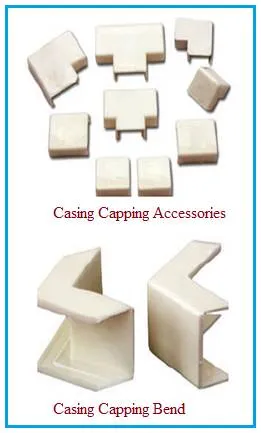
Wooden casing capping wiring is outdated. Today, PVC or VIR insulated wires are enclosed within the PVC casing enclosure, and PVC capping is used to cover this casing.
Benefits or Advantages of Casing Capping Wiring
- Easy Installation: It’s relatively simple to install.
- Strong and Durable: This wiring type is quite robust and lasts a good amount of time.
- Easy to Customize: Customizing or modifying the wiring is straightforward.
- Protection: The wiring is protected from smoke, dust, rain, steam, and other environmental factors.
- Safety: There’s a low risk of electric shock to people due to the casing and capping.
Drawbacks or Disadvantages of Casing Capping Wiring
- Expensive: It can be a more costly option compared to some other wiring methods.
- Not Suitable for Humid Weather: It’s not ideal for environments with high humidity.
- High Fire Risk: There’s a higher risk of fire compared to some other wiring systems.
Summary
Casing capping wiring is a surface wiring system that protects electrical cables inside a covered casing. It provides easy installation, maintenance, and organized cable management for buildings.