
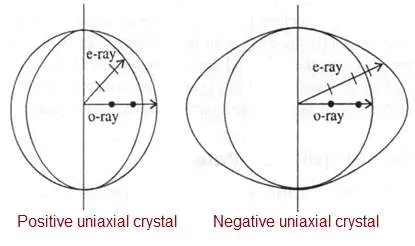
Uniaxial vs Biaxial Crystal: Key Differences Explained
Explore the differences between uniaxial and biaxial crystals, including their optical axes, refractive indices, and examples like calcite, mica, and quartz.
Advertisement
Explore articles, explainers, and practical references focused on Other Wireless within Terminology.
Articles
714
Showing
376-400
Pages
16/29
More in Terminology
Jump across related topic clusters without losing your place.
Advertisement
Article Index
Showing 376-400 of 714 articles in this archive.
Explore the differences between uniaxial and biaxial crystals, including their optical axes, refractive indices, and examples like calcite, mica, and quartz.
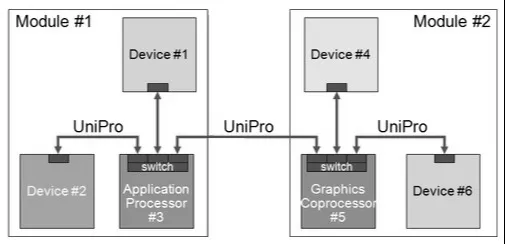
Learn about the Unipro interface protocol, a high-speed chip-to-chip interface commonly used in mobile devices, and its key advantages like low power consumption and flexible routing.
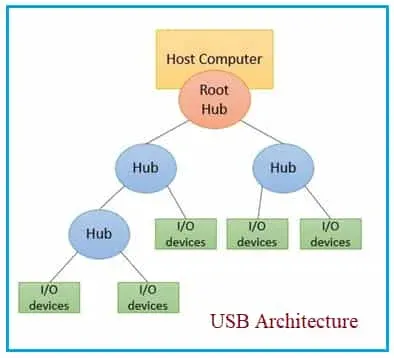
Explore USB's architecture, connectors, protocols, and benefits. Learn how USB facilitates data transfer and power delivery between devices.
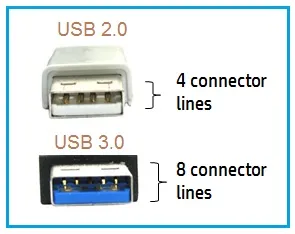
Explore the differences between USB 2.0 and USB 3.0, including data transfer speeds, power consumption, and backward compatibility.
A concise comparison of USB 3.0 and USB 3.1, highlighting their differences in speed, power, and compatibility for better understanding.
Explore the distinctions between USB 3.1 and USB 3.2, including their speeds, versions, and key features.
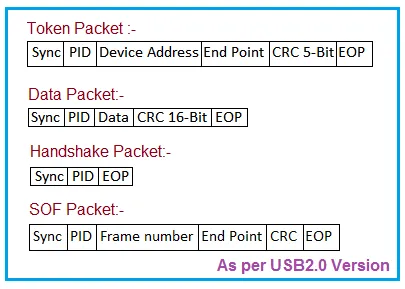
Explore USB packet formats and types as per V2.0 and V3.2, covering Token, Data, SOF, Handshake, LMP, TP, DP, and ITS packets for efficient data transfer.
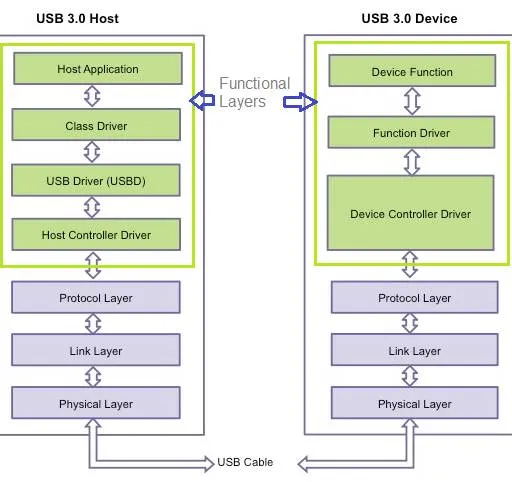
Explore the architecture of the USB protocol stack, comparing versions 2.0 and 3.2, and learn about the functions of each layer from functional to physical.
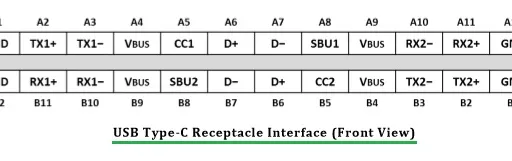
Explore the features and specifications of USB Type-C, including its pin diagrams for receptacles and plugs, data transfer speeds, power capabilities, and backward compatibility.
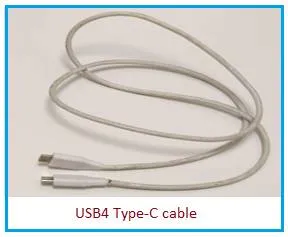
Explore the distinctions between USB4 and USB3 versions, including transfer rates, power delivery, and compatibility. Understand the evolution of USB technology.
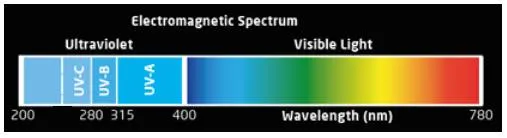
Explore the differences between UVA, UVB, and UVC rays, including their frequencies, wavelengths, applications, and potential health effects.
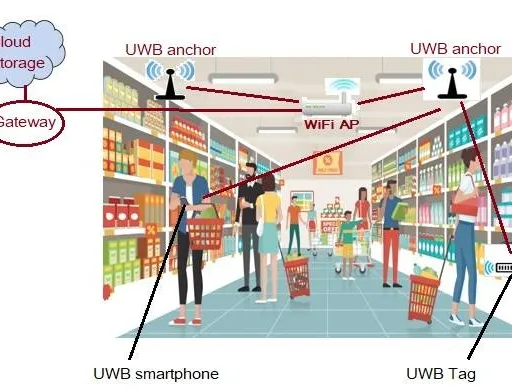
Explore the differences between UWB anchors and tags, including features, applications, and technical specifications for location tracking.
Explore the differences between UWB LRP PHY and HRP PHY modes, covering data rates, standards, and applications for efficient short-range communication.
This page compares UWB and Enocean, highlighting their differences in data rate, frequency, bandwidth, modulation, range, and applications.
Explore the differences between UWB and RFID technologies, covering standards, frequencies, data rates, accuracy, security, and applications.
Compare Ultra-Wideband (UWB) and WiFi technologies based on standards, frequency, accuracy, range, data rates, security, and other critical parameters.
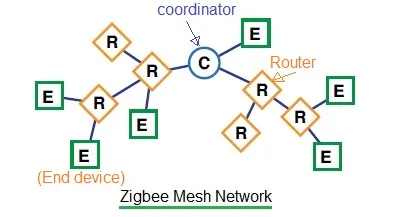
Explore the key differences between UWB and Zigbee technologies. Learn their standards, frequencies, range, bandwidth, data rates, and applications.
Explore the key differences between UWB and Insteon technologies, focusing on their data rates, physical layers, frequencies, and applications.
Explore the differences between UWB and Wavenis technologies. Compare frequency, data rates, range, security, and applications to understand their strengths.

Explore the distinctions between verbal and written communication methods. Learn about their mediums, feedback mechanisms, and benefits in various scenarios.
Explore the key differences between VGA and QVGA display resolutions, including their specifications, applications, and processing power requirements.
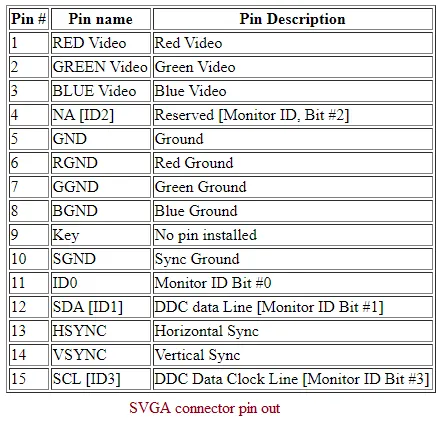
Explore the key differences between VGA and SVGA display standards, including resolution, color support, and connector types.
Virtual phone service enhances telecom by offering cost-effective, feature-rich virtual phone systems, eliminating the need for traditional PBX setups. Ideal for small businesses and startups.
Explore the core differences between Virtual Reality (VR) and Augmented Reality (AR), including their applications in various industries.
Explore the frequencies and wavelengths of visible light colors: red, orange, yellow, green, blue, and violet.
Advertisement