
E-carrier System: E0, E1, E2, E3, E4 Explained
The E-carrier system is a non-synchronous PDH, comprising E0, E1, E2, E3, and E4, each offering different digital bit rates and channel capacities. Learn the essentials.
Advertisement
Trace every article connected to this tag across guides, explainers, and practical RF topics. This view is especially useful when the same concept spans multiple categories.
Articles
5
Showing
1-5
Pages
1/1
Where this tag appears most
Open the categories where this topic shows up most often.
Advertisement
Tagged Articles
Showing 1-5 of 5 articles tagged with Pdh.
The E-carrier system is a non-synchronous PDH, comprising E0, E1, E2, E3, and E4, each offering different digital bit rates and channel capacities. Learn the essentials.
Explore the PDH frame structure for 2Mbps, 8Mbps, 34Mbps, and 140Mbps, covering frame alignment signals (FAS) and key parameters like frame length and rate.
Explore PDH (Plesiochronous Digital Hierarchy) and its encapsulation within SONET/SDH, covering rates like 2Mbps, 8Mbps, 34Mbps, and 140Mbps for efficient traffic transport.
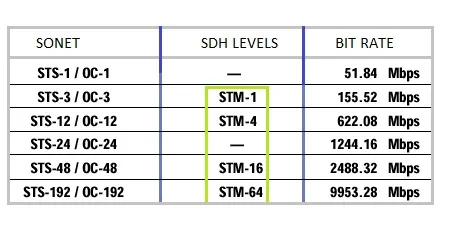
Learn PDH and SDH and explore difference between them including data rates, advantages and disadvantages of these digital transmission technologies.
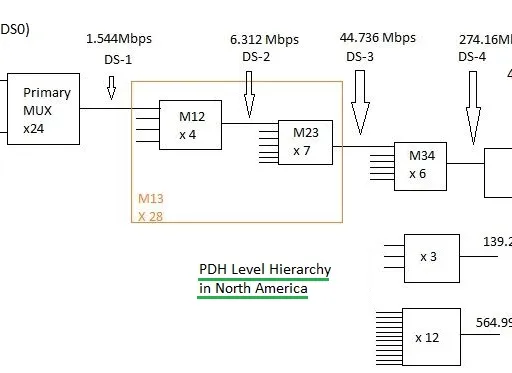
Explore the advantages and disadvantages of PDH, its principles, benefits, and drawbacks. Learn about the technology associated with digital exchanges.
Advertisement