
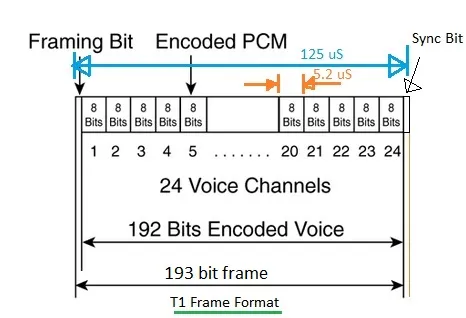
CAS vs CCS: Channel Associated Signaling vs Common Channel Signaling
Explore the differences between CAS (Channel Associated Signaling) and CCS (Common Channel Signaling) in telecommunications, focusing on how signaling information is transmitted.
Advertisement
Trace every article connected to this tag across guides, explainers, and practical RF topics. This view is especially useful when the same concept spans multiple categories.
Articles
8
Showing
1-8
Pages
1/1
Where this tag appears most
Open the categories where this topic shows up most often.
Advertisement
Tagged Articles
Showing 1-8 of 8 articles tagged with Pcm.
Explore the differences between CAS (Channel Associated Signaling) and CCS (Common Channel Signaling) in telecommunications, focusing on how signaling information is transmitted.
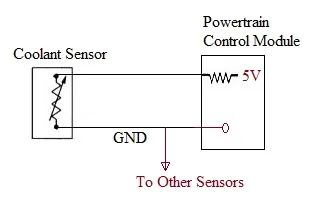
Learn about coolant sensors, also known as engine coolant temperature (ECT) sensors. This article covers their operation, advantages, and disadvantages.
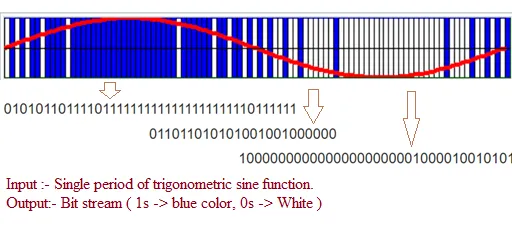
Explore the differences between PCM (Pulse Code Modulation) and PDM (Pulse Density Modulation) in this detailed comparison, covering their working principles, performance, and applications.
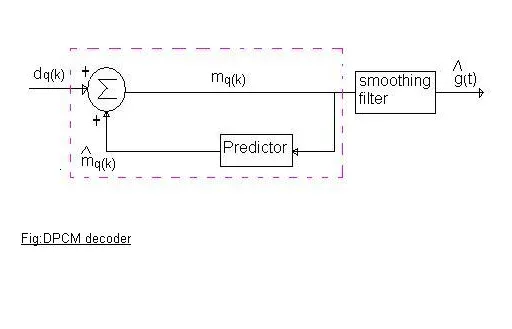
Explore the differences between PCM, DPCM, and ADPCM digital modulation techniques, including principles, advantages, and applications.
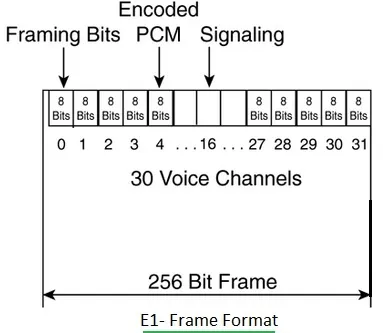
Explore the distinctions between PCM24 and PCM30, including their channel structure, data rates, and applications in digital telephone systems.
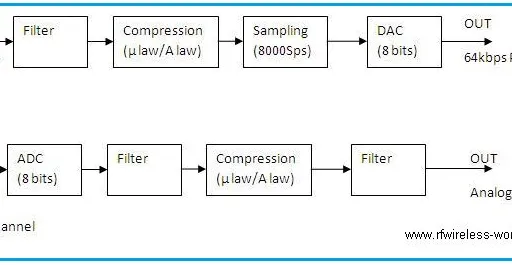
Learn speech coding basics and explore techniques like PCM, ADPCM, CELP, and EVRC used in wireless networks. Understand how these codecs compress speech while maintaining quality.
Explore the differences between T1 and E1 frames in PCM systems, covering data rates, channels, and frame structure.
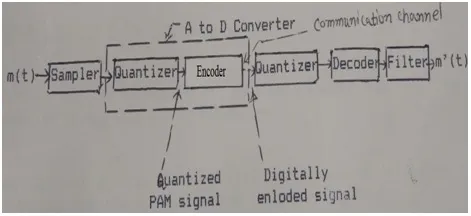
Explore 5 key advantages and disadvantages of Pulse Code Modulation (PCM), including its robustness, bandwidth requirements, and quantization error.
Advertisement