
Microwave Transmission KPIs: Key Performance Indicators Explained
Learn microwave transmission KPIs including availability, BER, throughput, latency, RSSI, modulation, utilization, and network performance monitoring.
Advertisement
Explore articles, explainers, and practical references focused on Rf Basics within Terminology.
Articles
255
Showing
101-125
Pages
5/11
More in Terminology
Jump across related topic clusters without losing your place.
Advertisement
Article Index
Showing 101-125 of 255 articles in this archive.
Learn microwave transmission KPIs including availability, BER, throughput, latency, RSSI, modulation, utilization, and network performance monitoring.
Explore the differences and similarities between microwave transmission and coaxial cables in the context of TV broadcasting. Learn about key parameters and use cases.
Explore the differences between Minimum Detectable Signal (MDS) and Spurious Free Dynamic Range (SFDR) in RF receivers. Learn how they measure sensitivity and dynamic range.
Overview of millimeter wave (mmWave) frequency bands, including Q, U, V, E, W, F, D, and G bands, with their respective frequency ranges.
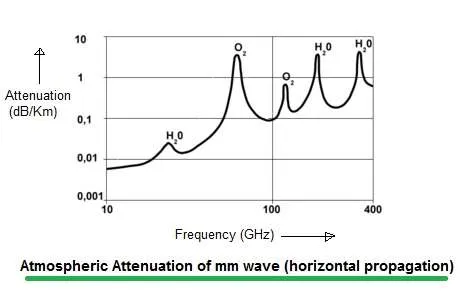
Understand the distinctions between millimeter wave (mmWave) and microwave frequencies, including applications, bandwidths, resolution, and advantages.
Modulation is key to transmitting data by varying a carrier signal's properties. Learn about analog, digital, and optical modulation techniques and their applications.
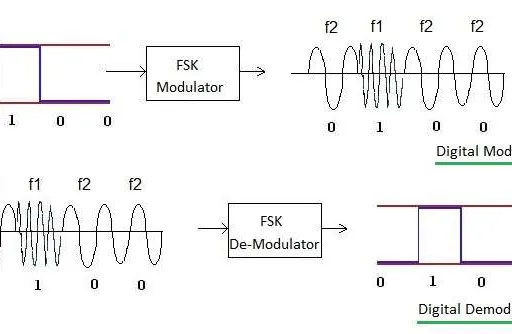
Explore the core differences between modulators and demodulators in telecommunications, covering analog and digital modulation techniques.
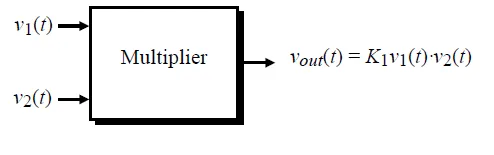
Explore the distinctions between modulators and multipliers, focusing on their function, linearity, and applications in signal processing. Includes equations and examples.
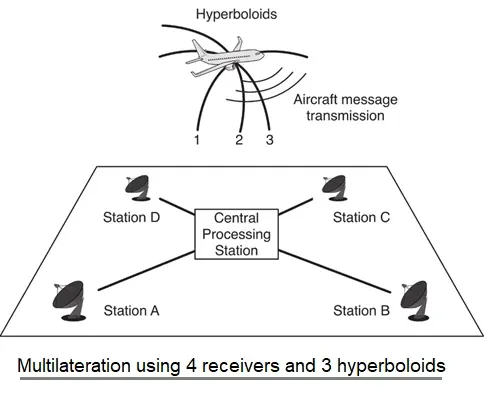
Explore multilateration, a positioning technique using Time Difference of Arrival (TDOA) to locate objects with high accuracy. Learn its applications, advantages, and disadvantages.
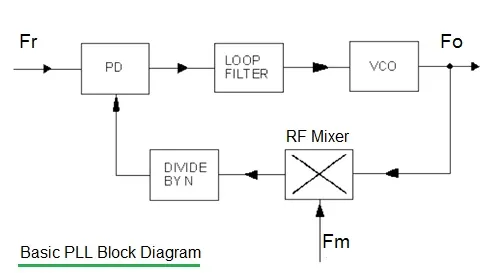
Explore the distinctions between Numerically Controlled Oscillators (NCOs) and Voltage Controlled Oscillators (VCOs), highlighting their control mechanisms, accuracy, and applications.
An overview of different types of electrical noise, including manmade, atmospheric, extra-terrestrial, and internal noise, along with their characteristics and mitigation techniques.
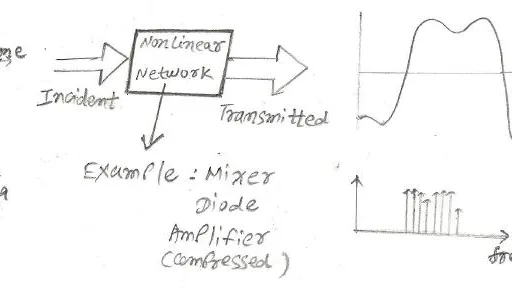
Understand nonlinearity in RF systems: power, frequency, and phase nonlinearity. Learn about their causes and measurements.
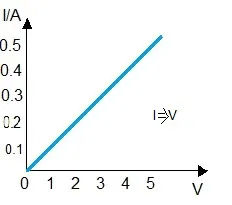
Learn about Ohm's Law, its formula (V=IR), and the difference between ohmic and non-ohmic conductors. Explore examples and related concepts in electronics.
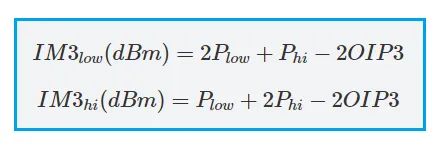
Compare P1dB and TOI and explore difference between 1dB compression point (P1dB) and third-order intercept point (TOI) in RF design. Learn formulas and practical significance for system performance.
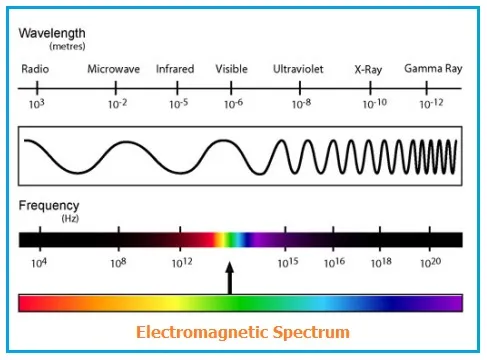
Understand difference between permeability and permittivity, their definitions, formulas, units and roles in electromagnetic waves.
Learn what phase stability in RF cables means, why it matters, factors affecting phase variation, testing methods, and applications in microwave systems.
Explore the distinctions between pitch and frequency in audio, highlighting their subjective vs. objective nature and non-linear relationship.
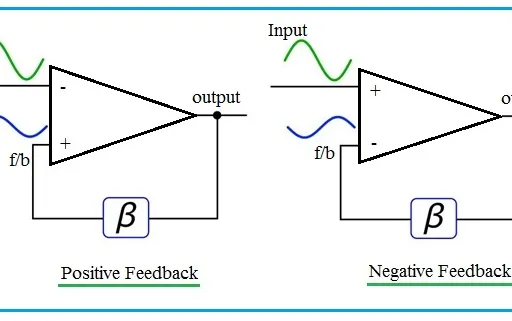
Explore the core differences between positive and negative feedback in amplifiers, including their advantages, disadvantages, and applications.
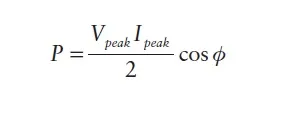
Explore the fundamental distinctions between power and energy, including their units, measurement techniques, and various power types like average, pulse, and RMS power.
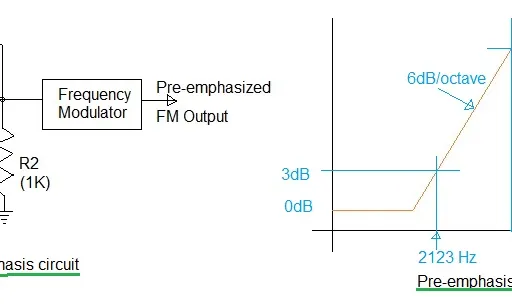
Learn about pre-emphasis and de-emphasis techniques used in FM circuits to improve the signal-to-noise ratio by emphasizing and then attenuating high-frequency components.
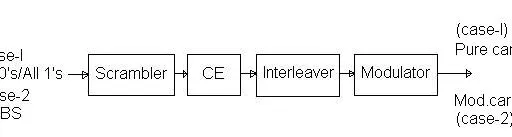
Explore the distinction between pure (unmodulated) and modulated carriers in wireless communication, focusing on how input data affects the output signal.
Compare Q band vs V band and explore difference between Q and V band in microwave and mmwave communication.
Explore quality factor of resonant circuits and the difference between unloaded Q and loaded Q with formulas and examples.
Understand RF stability, its importance in RF systems, and the difference between short-term and long-term frequency stability. Learn about frequency drift and its impact.
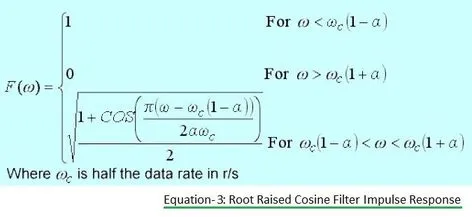
Explore the distinctions between Raised Cosine and Root Raised Cosine filters, including impulse responses, frequency characteristics, and applications in signal processing.
Advertisement