
What is Green Mobility : Advantages and Disadvantages
Advertisement
Green mobility refers to sustainable transportation solutions that reduce emissions, fuel consumption, and environmental impact. Examples include electric vehicles, public transit, cycling infrastructure, and shared mobility services. Advantages include cleaner air and reduced dependence on fossil fuels, while disadvantages include infrastructure costs and technology limitations.
Introduction: Green mobility refers to using transportation methods that are both environmentally friendly and efficient. It promotes walking and cycling in cities and encourages transportation modes that don’t rely on fossil fuels.
Goals & Examples of Green Mobility
Green mobility aims to achieve good air quality and promote safe and environmentally friendly road sharing among bicycles, pedestrians, buses, and cars. It strives to create cities that don’t discriminate against people based on age, social status, or means of transport.
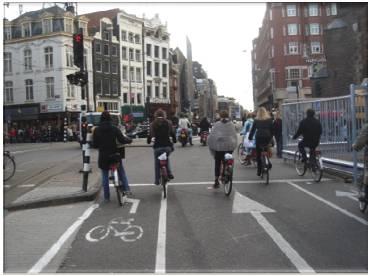
The goals of green mobility include:
- Avoiding excessive use of motor vehicles.
- Shifting focus from unsustainable modes of travel to more sustainable means (i.e., increasing the use of green transport).
- Integrating various transportation modes in the city and innovating new transport modes such as rapid transit buses, public bicycles, bicycle rickshaws, e-cars, hydrogen cars, etc.
- Encouraging the use of public transport and discouraging the use of private transport.
Examples of Green Mobility Implementations:
- Bus Rapid Transit in Ahmedabad, Gujarat, INDIA: This concept utilizes buses to provide a metro-like service, significantly reducing pollution.
- Freiburg city in Germany: This city is known for its high bicycle usage and extensive tram network, prioritizing pedestrians and making it easy to live without a car.
Advantages of Green Mobility
- It helps ease traffic congestion, improve air quality, and optimize transport networks.
- It makes transport more efficient and environmentally friendly, attracting employees and streamlining goods delivery for businesses.
- It reduces CO2 emissions, leading to cleaner air and less noise, which increases the quality of life and makes cities more livable.
- It makes cities safer for pedestrians and cyclists.
- It generates opportunities for the electronics industry, including components like high-power IGBTs, MOSFETs, EEPROM memories, protection devices, voltage regulators, and other ICs.
- Passengers can utilize affordable collective transport and shared cars. It encourages traveling on foot and by bicycles. Green mobility-based transport systems consume the least energy, produce less pollution, and provide higher recognition to passengers.
- The system promotes healthier lifestyles.
Disadvantages of Green Mobility
- Electric Vehicles: Major challenges for the adoption of EVs include high prices, inadequate charging infrastructure, limited range, and limited available options. Other disadvantages include the availability of recharge points, long recharge times, fewer seats (e.g., 2), and shorter battery life.
- Safety can be a concern in shared car transport methods.
- Road infrastructure is often inadequate for pedestrians and cyclists in developing countries like INDIA, Pakistan, and Bangladesh, posing a major challenge to adopting green mobility.
Summary
Green mobility promotes environmentally friendly transportation systems. Advantages include lower emissions and improved sustainability, while disadvantages include infrastructure investments and adoption barriers.
Advertisement


