
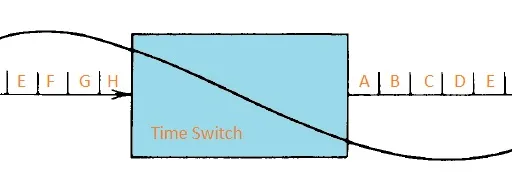
Space Switch vs. Time Switch: Key Differences Explained
Explore the distinctions between space switches and time switches, essential components in digital switching architectures, with a focus on TDM and SDM.
Advertisement
Explore articles, explainers, and practical references focused on Networking Basics within Terminology.
Articles
233
Showing
126-150
Pages
6/10
More in Terminology
Jump across related topic clusters without losing your place.
Advertisement
Article Index
Showing 126-150 of 233 articles in this archive.
Explore the distinctions between space switches and time switches, essential components in digital switching architectures, with a focus on TDM and SDM.
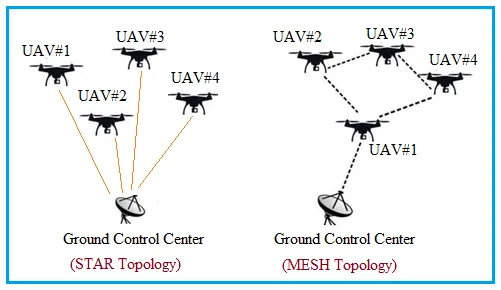
A comparison of STAR and MESH network topologies, highlighting key differences in connectivity, infrastructure, control, and application in UAVs.
Explore the differences between static and dynamic routing, covering network size, cost, maintenance, and route updates. Understand which approach is best for your network.
Understand the fundamental differences between structured and unstructured data. Learn about their characteristics, examples, and key comparison points.
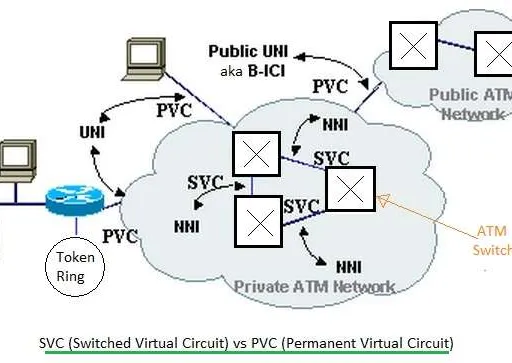
Compare Switched Virtual Circuits (SVCs) and Permanent Virtual Circuits (PVCs) in ATM/Frame Relay networks. Explore their differences in connection type, setup, usage, and cost.
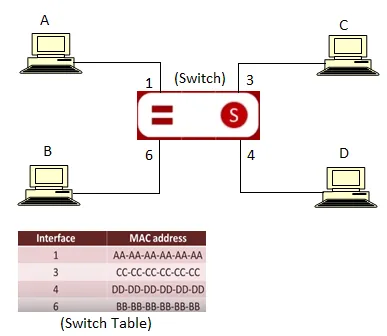
Understand the core differences between network switches and routers, including their functions, layers of operation, and roles in local and wide area networks.
Understand the distinctions between switching, forwarding, and routing in networking. Learn how each process operates, which layers they function at, and the devices involved.
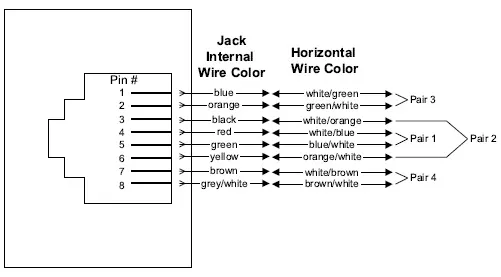
A detailed comparison of T568A and T568B wiring standards for Ethernet cables, including crossover and straight-through configurations.
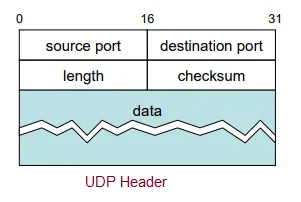
Explore the fundamental differences between TCP and UDP, focusing on reliability, connection type, header structure, and use cases.
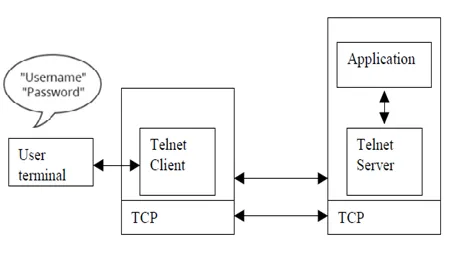
TELNET uses port 23 for remote login services. It allows users to access and manage remote systems. While largely replaced by SSH for security reasons, understanding TELNET remains essential for networking fundamentals and troubleshooting.
Explore the differences between TELNET and DHCP, including functionality, security, port numbers, and common alternatives in network management.
Explore the key differences between Thicknet (10BASE5) and Thinnet (10BASE2) coaxial cables, early Ethernet standards. Learn about their specifications, installation, and usage eras.
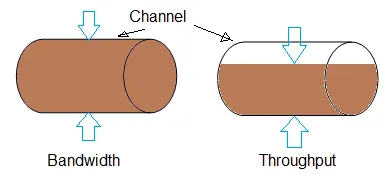
Understand the difference between throughput and bandwidth in networking. Learn how they're measured and how they affect your network performance.
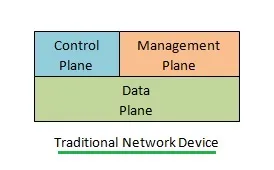
Comparison of traditional and software-defined networking (SDN) architectures, highlighting key differences in control, management, and data planes.
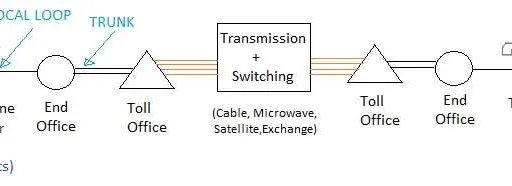
Explore the distinct roles of transmission and switching systems in data networks. Understand how they work together for seamless communication.
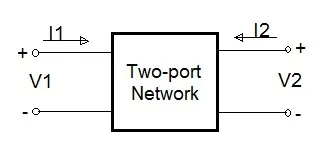
Explanation of two-port network parameters including impedance (Z), admittance (Y), hybrid (h), inverse hybrid (g), and ABCD parameters with symmetry and reciprocity.
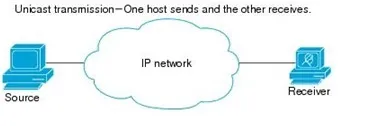
Understand the differences between unicast, multicast, and broadcast transmissions in networking, including their address types, operation, and applications.
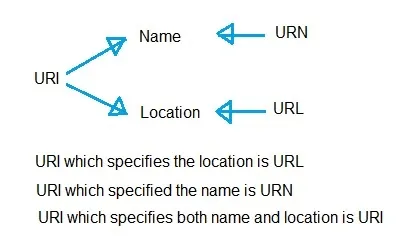
Learn the differences between URI, URL, and URN. A URI identifies a resource, a URL locates it, and a URN names it. Understand their roles in networking.
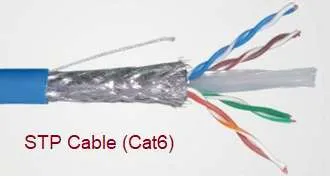
Compare UTP (Unshielded Twisted Pair) and STP (Shielded Twisted Pair) cables. Understand differences in shielding, cost, flexibility, and interference resistance.
Explore the key differences between VDSL and G.fast, including frequency, data rates, distance, and duplexing methods, to understand their applications and limitations.
Explore the distinctions between verbal and nonverbal communication, including their mediums, components, advantages, and limitations.
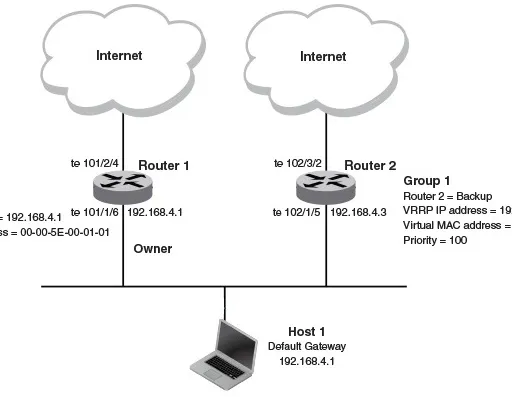
Explore the distinctions between virtual and logical IP addresses, focusing on use cases like VRRP and standard network communication.
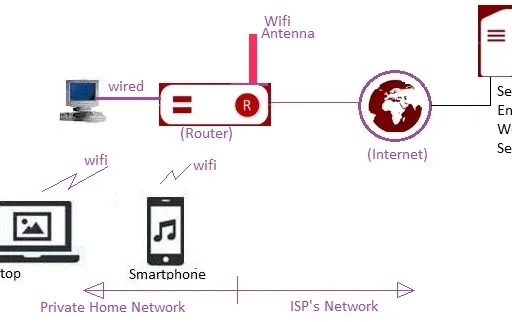
Explore the distinctions between virtual routers (VRRP) and physical routers (IP routers), focusing on redundancy, failover mechanisms, and use cases.
Learn the key differences between virtual and physical MAC addresses, including their structure, purpose, and usage in networking.
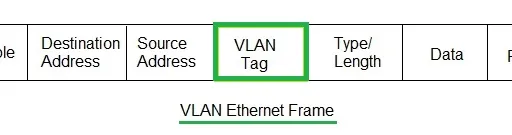
VLANs logically group Ethernet switch ports to create independent networks. This isolation is achieved by manipulating frame forwarding and adding a special field to Ethernet frames.
Advertisement