
What is Mercury Switch : Advantages and Disadvantages, Working
Advertisement
A mercury switch is an electrical switch that uses liquid mercury to complete or interrupt electrical circuits based on orientation or movement. It has been used in thermostats, tilt sensors, and industrial controls. Advantages include reliable contact operation, while disadvantages include environmental hazards and restrictions due to mercury toxicity.
Mercury Switch Construction & its Working
Introduction: A mercury switch is a type of switch that uses a blob of mercury inside a glass bulb to complete or break an electrical circuit. It can be used as a tilt switch, activating or deactivating based on its orientation. Mercury remains in its liquid state within a wide temperature range, from -38°C to +356°C.
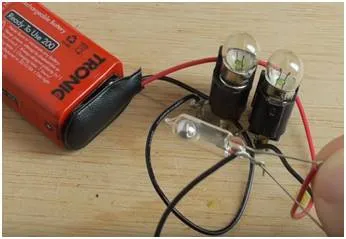
Figure 1: Mercury switch in the open state
As shown in Figure 1, the mercury switch contains a mercury blob inside a glass bulb. In this state, the mercury is on the opposite side of the metal contacts, leaving the circuit open.
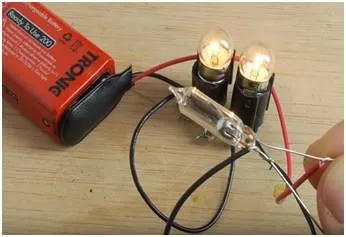
Figure 2: Mercury switch in the closed state
When the bulb is tilted, the mercury blob rolls to the end where the metal contacts are located (Figure 2). This allows the mercury to conduct electricity, closing the circuit and allowing current to flow, thus activating the connected device (e.g., lighting a bulb).
Benefits or Advantages of Mercury Switches
- Excellent Electrical Conductor: Mercury is a highly effective electrical conductor, ensuring reliable circuit completion.
- High Surface Tension: Mercury’s high surface tension allows it to form a distinct blob, facilitating clean and consistent contact with the electrodes.
- Long Operating Life: The bulb is typically filled with an inert gas, preventing oxidation of the electrodes and significantly extending the switch’s lifespan.
- Visually Discernible: The silvery, shining appearance of mercury makes it easy to visually inspect the switch’s condition.
- Highly Durable: Mercury does not evaporate easily, contributing to the switch’s overall durability and longevity.
Drawbacks or Disadvantages of Mercury Switches
- Environmental Hazard: Mercury is a known environmental pollutant. Many countries have restricted or banned its use due to environmental concerns.
- Limited Temperature Range: Mercury switches are only functional within the temperature range of -38°C to +356°C.
- Toxic Material: Mercury is poisonous and poses a health risk if the glass tube is broken. These switches must be kept away from children.
- Expensive: Mercury switches are relatively expensive compared to other types of switches.
- Limited Availability: Due to restrictions and prohibitions in many countries, mercury switches are becoming increasingly difficult to source.
Summary
Mercury switches provide dependable tilt-based switching functionality. Advantages include durability and contact reliability, while disadvantages include environmental concerns and regulatory limitations.