
What is Machine Learning: Definition, Advantages, Applications
Advertisement
Machine Learning is a branch of artificial intelligence that enables computers to learn from data and improve performance without explicit programming. By identifying patterns and making predictions, machine learning powers applications such as recommendation systems, image recognition, fraud detection, autonomous vehicles and intelligent business analytics. This page defines machine learning, outlines its basic building blocks and explains its advantages, disadvantages and applications.
Machine Learning Definition:
Machine learning is a subfield of computer science that uses algorithms to train machines based on input data (both original and new datasets) to enable them to take action. It leverages automation and iterative methods.
Here are key characteristics of machine learning:
- Machine learning devices don’t need explicit programming during manufacturing.
- They employ pattern recognition and artificial intelligence for their functions.
- These systems are like software programs that learn independently when exposed to new conditions and data.
- They make better real-time decisions without human intervention.
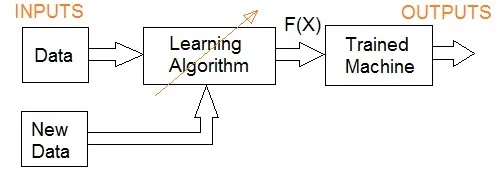 Figure-1 depicts Machine Learning Blocks.
As illustrated, any machine learning process consists of three main components: input, objective function, and output.
Advantages and Disadvantages of Machine Learning
Advantages
- Machine learning implementation and automation are easier for machines than for humans. Once trained, a machine can process millions of images or data points without issues like fatigue or mental strain, which can affect humans.
Disadvantages
- Learning and writing algorithms are relatively easy for humans, but challenging for machines.
- Machines require significant time and data to make accurate predictions or classifications.
Applications of Machine Learning
Machine learning has a wide range of applications, including:
- Self-driving cars
- Effective web search with targeted ads based on user activity.
- Speech recognition
- Personalized news feeds on social media platforms (e.g., Facebook uses user activity and interests to curate content).
- Applications in banking, telecom, and retail sectors.
- Diagnosis, prognosis, and screening in the biomedical sector.
- Face recognition, iris verification, and fingerprinting in biometrics.
- Handwriting recognition and speech recognition in computer interfaces.
- Text translation on the internet.