
What is Industry 4.0 : Advantages and Disadvantages
Advertisement
Industry 4.0 refers to the integration of smart technologies such as IoT, artificial intelligence, robotics, cloud computing, and data analytics into manufacturing processes. It enables intelligent factories and automated operations. Advantages include increased productivity and efficiency, while disadvantages include cybersecurity risks and high implementation costs.
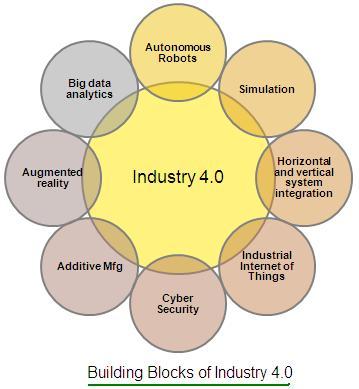
It represents the next leap in manufacturing and production, following Industry 3.0.
Advantages of Industry 4.0
- Easy Backend Integration: Seamlessly integrates with existing systems like ERP (Enterprise Resource Planning) and MES (Manufacturing Execution System).
- Microservices Hosting: Facilitates the hosting and execution of microservices for enhanced modularity and flexibility.
- Soft Real-Time Transactions: Enables the execution of transactions with soft real-time constraints, crucial for many manufacturing processes.
- Distributed Functionality: Simplifies the distribution of functionalities across multiple nodes in the network.
- Easy Installation and Activation: Offers straightforward installation, activation, and modification within the Industry 4.0 architecture.
- Simplified Resource Management: Clear and monitored communication pathways make resource management much simpler.
- Easy Protocol and Process Addition: Easily accommodates the addition of new protocols and processes as needed.
- Shop Floor Communication: Enables communication between different components directly on the shop floor, fostering collaboration and automation.
Disadvantages of Industry 4.0
- IoT Security Concerns: Security remains a major concern in IoT environments. Companies are actively working to address security vulnerabilities.
- Skills Gap: Workers need improved skills and education to effectively operate and maintain Industry 4.0-based processes.
- Potential Job Displacement: Adoption of Industry 4.0 may lead to redundant workers in corporate IT departments, posing a threat to their job security.
- Resistance to Change: Company stakeholders may show reluctance to adopt Industry 4.0 due to various factors, including fear of the unknown and perceived risks.
- Risk of Costly Outages: IT snags must be eliminated, as they can lead to costly production outages.
- Reliability and Stability Requirements: M2M (Machine-to-Machine) communication demands high reliability and stability, requiring very short and stable latency timings.
- Production Process Integrity: Maintaining the integrity of production processes is crucial in Industry 4.0.
- Extensive Training Requirements: Educating staff to embrace this fourth industrial revolution requires significant time and effort across industries.
Summary
Industry 4.0 transforms manufacturing through automation and digital technologies. Advantages include operational efficiency and data-driven decision making, while disadvantages include security concerns and investment requirements.
Advertisement


