
What is Green Technology : Advantages and Disadvantages
Advertisement
Green technology encompasses products, systems, and processes designed to conserve resources, reduce pollution, and support environmental sustainability. Applications include renewable energy, waste management, energy-efficient electronics, and clean transportation. Advantages include reduced environmental impact and resource conservation, while disadvantages include high development costs and technology adoption challenges.
Introduction : Green technology encompasses the development of products and systems that conserve natural resources and protect the environment. It’s essentially technology that is environmentally friendly, often referred to as environmental technology or clean technology. This approach leverages innovative methods to create environmentally sound products. The rising need for green technology stems from the depletion of natural resources and the escalating pollution caused by the overuse of non-renewable sources.
Goals & Features of Green Technology
Products, systems, and equipment based on green technology typically exhibit the following characteristics:
- Minimize or reduce degradation of the natural environment.
- Produce zero or minimal greenhouse gas emissions.
- Safe to use and promote a healthy environment for all forms of life, including humans, animals, and birds.
- Help conserve energy and natural resources like solar, water, and wind.
- Promote the use of renewable resources.
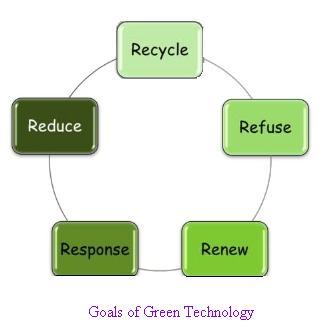
Figure 1: Goals of Green Technology
The goals of green technology include reducing fuel consumption, waste, and energy consumption. It also includes recycling paper, plastic, cans, batteries, and clothing. Renewing energy sources such as wind, water, solar, biofuels, and wastewater is also part of the goal. Refusing the use of plastic bags is encouraged, and responsibility is emphasized.
“Responsibility” encompasses several key actions:
- Conserving electricity by switching off equipment when not in use.
- Conserving water by avoiding leaving taps open while brushing teeth or washing dishes.
- Conserving fuel.
- Avoiding food waste.
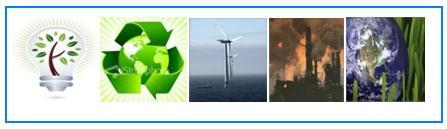
Figure 2: Green Technology Applications
Key application areas for green technology include:
- Energy sector
- Building sector
- Water and waste management sector
- Transport sector
- Solar power sector
Advantages of Green Technology
- Environmental Friendliness: It doesn’t release harmful substances into the environment.
- Growing Popularity: It’s gaining traction as consumers become more environmentally conscious. This can lead to long-term benefits for investors in certain areas.
- Lower Maintenance Costs: It often requires less maintenance, reducing operating and overall long-term costs.
- Renewable Resources: It relies on renewable natural resources, ensuring we don’t deplete vital resources like water and electricity.
- Mitigating Global Warming: It helps slow down the effects of global warming by reducing CO2 emissions.
Disadvantages of Green Technology
- High Initial Investment: The initial investment or implementation cost can be substantial.
- Limited Public Awareness: Public familiarity with the technology is still developing, which means wider adoption may take time.
- Ongoing Development: The technology is still evolving, and many products are in the R&D phase. Performance results are not widely known.
- Lack of Skilled Workforce: There’s a shortage of skilled personnel to install and implement green technology-based products and systems.
- Inconsistent Policies: Many countries have yet to finalize policies supporting green technology-based systems.
Summary
Green technology supports sustainable development through environmentally responsible innovations. Advantages include pollution reduction and energy efficiency, while disadvantages include higher costs and implementation hurdles.
Advertisement


