
What is Dynamic DNS (DDNS) : 5 Advantages and disadvantages
Advertisement
Dynamic DNS (DDNS) is a network service that automatically updates DNS records when a device’s public IP address changes. It enables remote access to servers, cameras, and IoT devices without requiring a static IP. Advantages include convenience and accessibility, while disadvantages include security concerns and dependency on service providers.
As we know, the Domain Name System (DNS) helps load web pages using DNS names, commonly known as URLs. All websites hosted online possess unique IP addresses.
How does Dynamic DNS protocol work?
When you type a URL into your internet browser, it sends a DNS query to a DNS server. The DNS server responds with a DNS record containing the correct IP address, allowing the web page to open in your browser.
Unlike static DNS, which requires manual updates, dynamic DNS automatically updates DNS records without manual intervention. DDNS works in conjunction with the Dynamic Host Configuration Protocol (DHCP). DHCP was introduced to eliminate the need for manual IP address configurations for hosts, a task handled by DHCP servers.
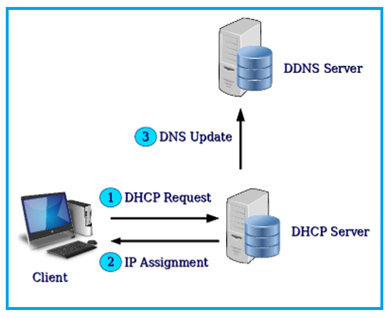
Using the DDNS protocol, hosts can notify their respective DDNS servers about the dynamic IP addresses they’ve received from DHCP servers or through self-configuration. TSIG (Transaction Signature) is an authentication protocol used to secure DDNS updates from potential attackers.
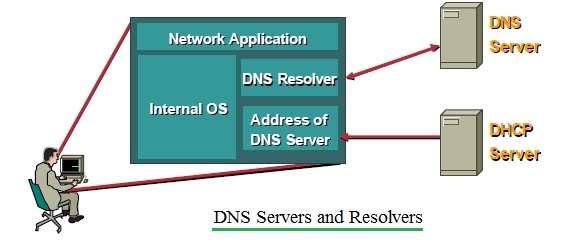
To implement dynamic DNS, the following are needed:
- A domain name set up with a DDNS provider (e.g., easyDNS).
- A dynamic DNS client downloaded and set up on the computer.
Advantages of Dynamic DNS
Here are the benefits of using Dynamic DNS:
- Eliminates manual updates: It saves considerable time by automatically updating addresses when network configurations change, eliminating the need for manual static address updates.
- Maintains accessibility: Changed IP addresses are automatically configured against URLs, ensuring uninterrupted accessibility to websites and services.
- Economical IP Address Usage: It uses the required number of addresses at any given time instead of dedicating one to every potential user.
- Simplified Administration: It doesn’t require network administrators to reconfigure settings whenever an IP address changes.
- User-Friendly: Users won’t experience any disruptions due to IP address changes, making it a comfortable solution.
Disadvantages of Dynamic DNS
Here are the drawbacks of using Dynamic DNS:
- Reduced Reliability: It can be less reliable than static IP addresses and domain name mappings, which could cause problems in specific scenarios.
- Lack of Authentication Guarantee: Dynamic DNS services alone can’t guarantee that the device you’re trying to connect to is actually the one you own.
- Dependence on DHCP: It’s important to consider the disadvantages of DHCP, as DHCP dynamically assigns IP addresses to computers or devices that connect to the internet.
Summary
Dynamic DNS offers a practical solution for accessing devices on networks with changing IP addresses by automatically updating DNS records in real time. It is especially useful for remote access to home servers, surveillance systems, and IoT devices. While it provides convenience, flexibility, and cost savings, potential drawbacks include security vulnerabilities and reliance on third party DDNS providers. Overall, DDNS remains a valuable tool for maintaining consistent connectivity in dynamic IP environments.
Tags
Advertisement


