
What is Cloud Computing : 5 Advantages and Disadvantages
Advertisement
Cloud computing delivers computing resources such as servers, storage, databases, and software over the internet on demand. It enables organizations to scale quickly while reducing infrastructure investments. Advantages include flexibility and cost efficiency, while disadvantages include security concerns, internet dependency, and potential vendor lock-in.
Cloud Service Examples
- Email Services: Cloud-based email (like Gmail) offers a cost-effective solution, with charges often based on the number of users. Traditional setups typically involve client-based programs (e.g., Outlook) and Microsoft Exchange servers.
- Disk Storage: Instead of relying on large amounts of disk space on a local server, cloud storage uses internet-based file storage. Costs are usually monthly, based on gigabyte usage.
- Accounting Services: Cloud services provide web-based accounting solutions, eliminating the need to purchase expensive accounting software.
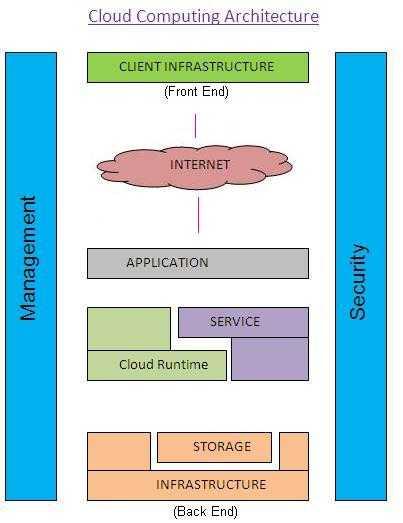
Cloud computing architecture
Cloud Computing Advantages
- Cost-Effectiveness: Cloud-based file sharing services are generally very affordable. This removes the need to invest in costly file servers and large amounts of disk storage.
- Scalability: Easily add extra storage space without buying additional disk drives. With cloud computing, you typically pay only for the capacity you use.
- Reliability (for Small Businesses): Cloud services often offer better reliability than in-house services for smaller businesses.
- Managed Services: Maintenance and management can be easily outsourced, allowing you to focus on your core business while experts handle the technical aspects.
- Global Availability: Cloud services are accessible from anywhere with an internet connection.
Cloud Computing Disadvantages
- Compatibility Issues: Some older, specialized applications might not be suitable for cloud infrastructure, and cloud providers may not offer them.
- Bandwidth Dependency: Traditional local file servers offer gigabit speeds, while cloud solutions rely on internet connections, which may be slower.
- Internet Reliability: A single internet connection can be a point of failure. If the connection goes down, access to critical applications is lost. This can be mitigated with backup internet connections or enterprise-grade services, but that adds to the cost.
- Security Threats: Security is a major concern. It’s crucial to use strong passwords and follow security best practices.
- Limited Control: With cloud solutions, organizations often have limited control over the underlying infrastructure and software updates, which are managed by the cloud provider. This can restrict customization and may lead to compatibility or performance issues with specific workflows.
Summary
Cloud computing provides on-demand access to IT resources and services. Advantages include scalability and cost savings, while disadvantages include security risks and dependence on connectivity.
Advertisement


